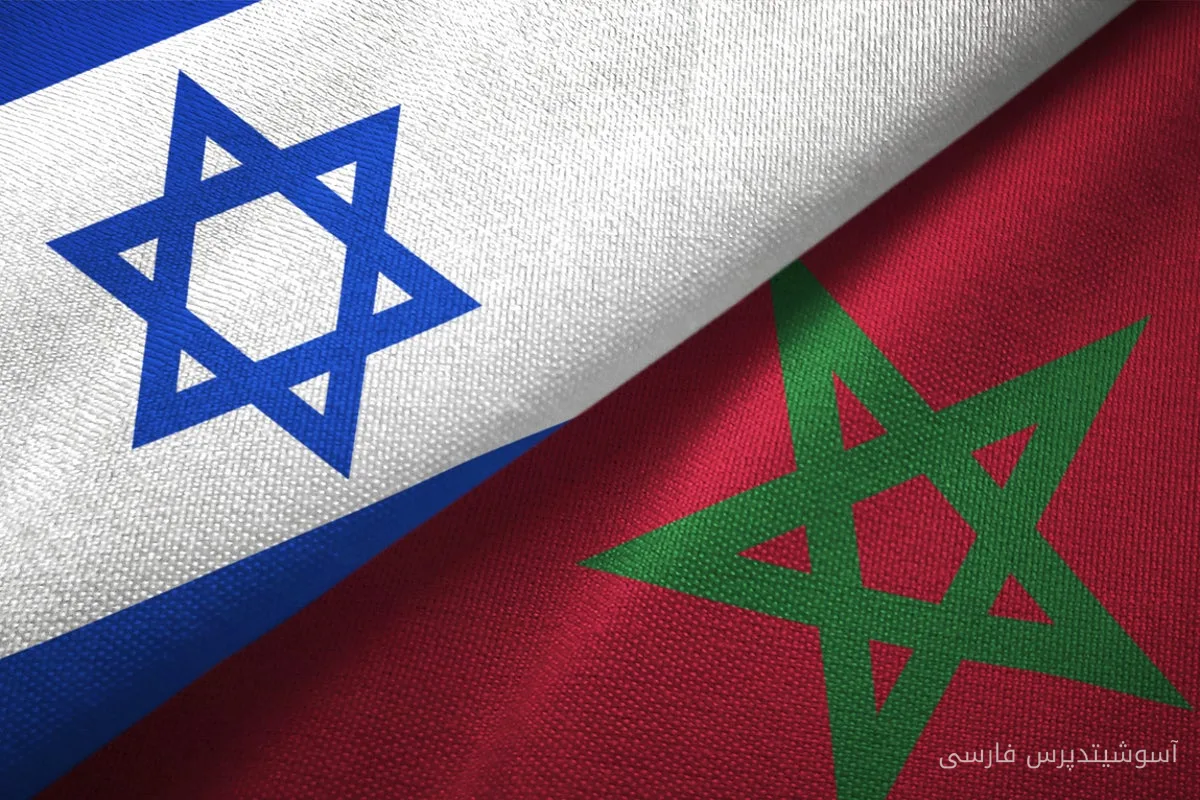
Israel and Morocco have agreed to expand diplomatic relations, including the opening of embassies and the appointment of ambassadors. These agreements were announced in a statement in Arabic that was published on Wednesday on an official Israeli government account.
Trilateral Meeting in New York
The statement indicates that a trilateral meeting took place in New York between Gideon Sa'ar, Israel's Foreign Minister, Nasser Bourita, his Moroccan counterpart, and Mike Waltz, the U.S. Ambassador to the United Nations. These officials emphasized their commitment to a series of actions to advance relations between Israel and Morocco, which include upgrading diplomatic missions to embassy status and appointing ambassadors.
Read more: Suspect Arrested in Attack on Sikh Truck Driver in Wyoming
Expansion of Flights and Economic Cooperation
It was also agreed to expand flights between Israel and Morocco and to work on finalizing agreements to facilitate joint investments and economic and trade relations. The Abraham Accords, which led to improved relations between Israel and four Arab countries including Bahrain, Sudan, and the United Arab Emirates, allowed Morocco to leverage U.S. support regarding its claims over Western Sahara.
However, the cost of these agreements has led to increased public dissatisfaction with the normalization of relations with Israel following the Israel-Hamas war. Since the outbreak of the Gaza war, tens of thousands have taken to the streets in Morocco, with protests involving families, students, Islamists, and leftist members. These protests have also attracted radical voices, with some demonstrators burning Israeli flags and chanting against royal advisor André Azoulay, a Moroccan Jew.
The Moroccan constitution generally permits freedom of expression, although criticism of the monarchy or King Mohammed VI is illegal, and those who do so may face legal action. During the war, activists who criticized the monarchy on social media or participated in protests against businesses targeted for their activities in Israel have been sentenced to prison.
These restrictions are similar to the situation in Egypt and Jordan, where, like Morocco, these countries have publicly expressed solidarity with the Palestinians while maintaining their relations with Israel and imprisoning activists who direct their anger towards the government.
Read more: U.S. Forces Must Prepare for Space Battle · Iran: The U.S. and Israel are Suppressing in Yemen
Source: independent.co.uk