Global markets rose on Thursday despite a decline in Wall Street due to the Federal Reserve's decision to raise interest rates.
Federal Reserve Interest Rate Increase
The quarter-point increase in interest rates brings the Federal Reserve's key rate to a target range of 3.75% to 4.00%, as the institution seeks to control U.S. inflation, which has consistently remained above the set target.
Market Reactions
U.S. futures rose. The S&P 500 futures were up 0.8%, while the Dow Jones Industrial futures grew by 0.7%.
In early European trading, the UK's FTSE 100 rose by 0.5% to 10,739.72. France's CAC 40 increased by 0.3% to 8,163.52, and Germany's DAX climbed 0.6% to 25,694.84.
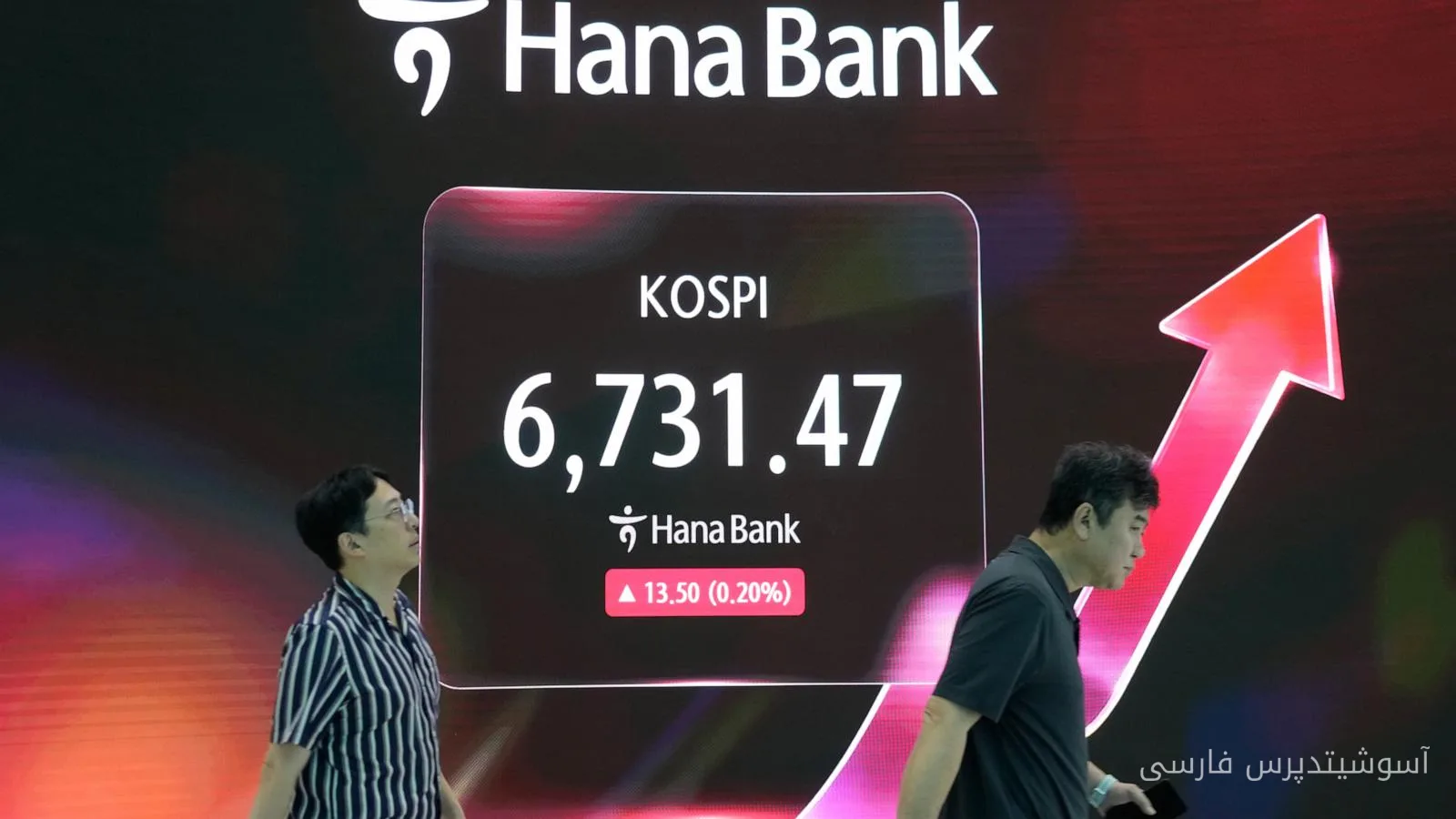
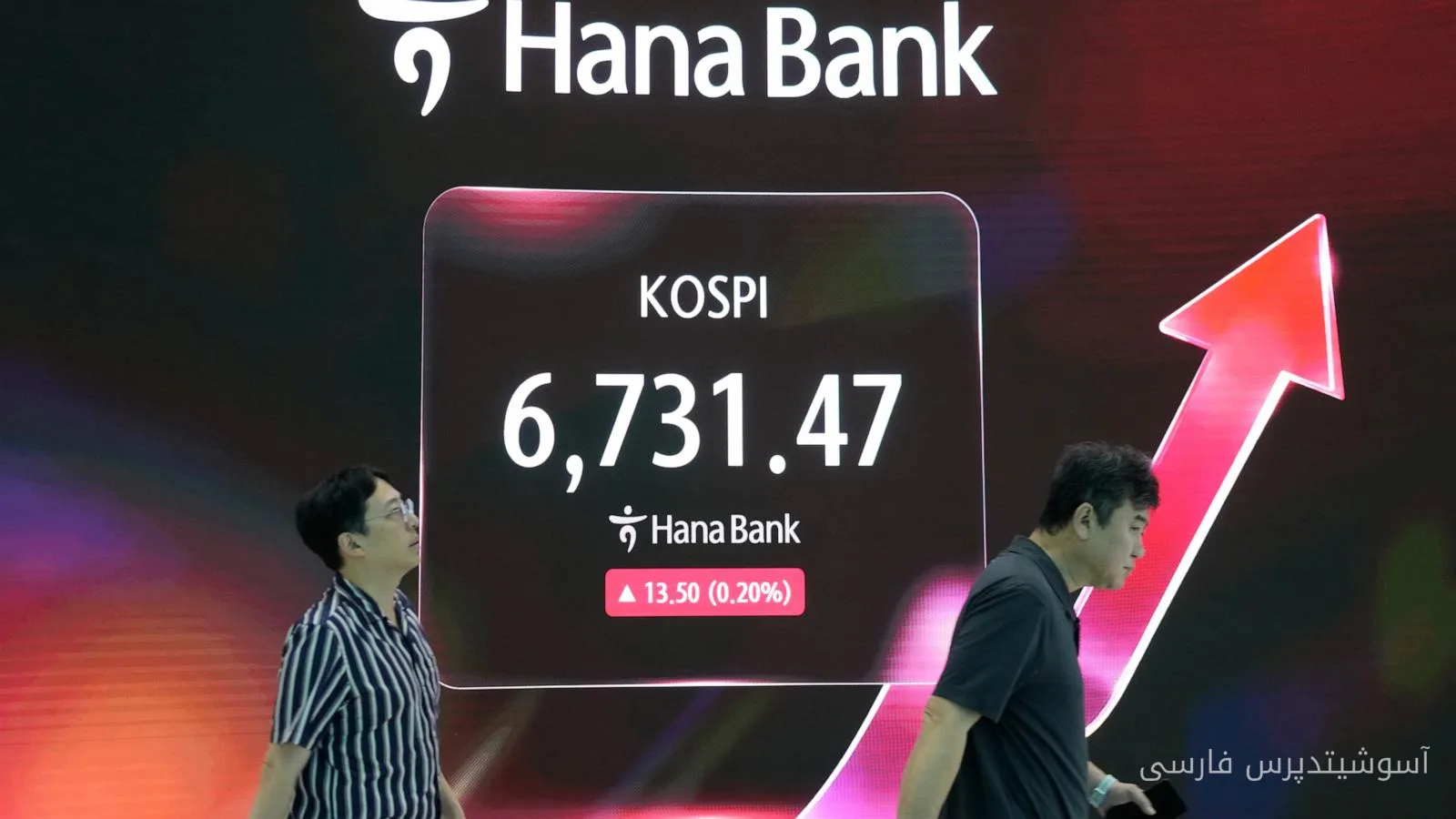
In Asia, Japan's Nikkei 225 rose by 0.3% to 64,136.25. South Korea's KOSPI saw a decrease of less than 0.1%, reaching 6,715.41. Hong Kong's Hang Seng index fell by 0.4% to 24,604.29, and the Shanghai Composite index decreased by 0.4% to 3,875.60.
Australia's S&P/ASX 200 rose by 0.4% to 8,732.40.
Taiwan's TAIEX increased by 1%, while India's Sensex grew by 0.1%.
On Wednesday, Wall Street's S&P 500 fell by 0.5%. The Dow Jones Industrial dropped by 1.2%, and the Nasdaq Composite remained largely unchanged.
Market reactions to the interest rate hike decision were as expected. Lauren Tan, director of Asia equity research at Morningstar, noted that the ongoing war in Iran is likely to keep pressure on inflation.
Following the Federal Reserve's announcement, the yield on two-year U.S. Treasury notes rose to 4.71%. The yield on 10-year Treasury notes remained high near 5.00%.
Government bond yields have remained elevated since the onset of the war, as the energy shock from the conflict has added to inflationary pressures, and investors are concerned about rising U.S. national debt.
The U.S. dollar fell to 155.62 Japanese yen on Thursday morning. The euro was trading at 1.1474 dollars.
Oil prices fell. Limited oil flows in the Strait of Hormuz and the shutdown of a key oil pipeline by Saudi Arabia have put additional pressure on oil supply.
Brent crude, the international benchmark, fell by 1.2% to $104.60 per barrel on Thursday morning, but remains above about $72 per barrel in late February before the war.
Source: abcnews.com