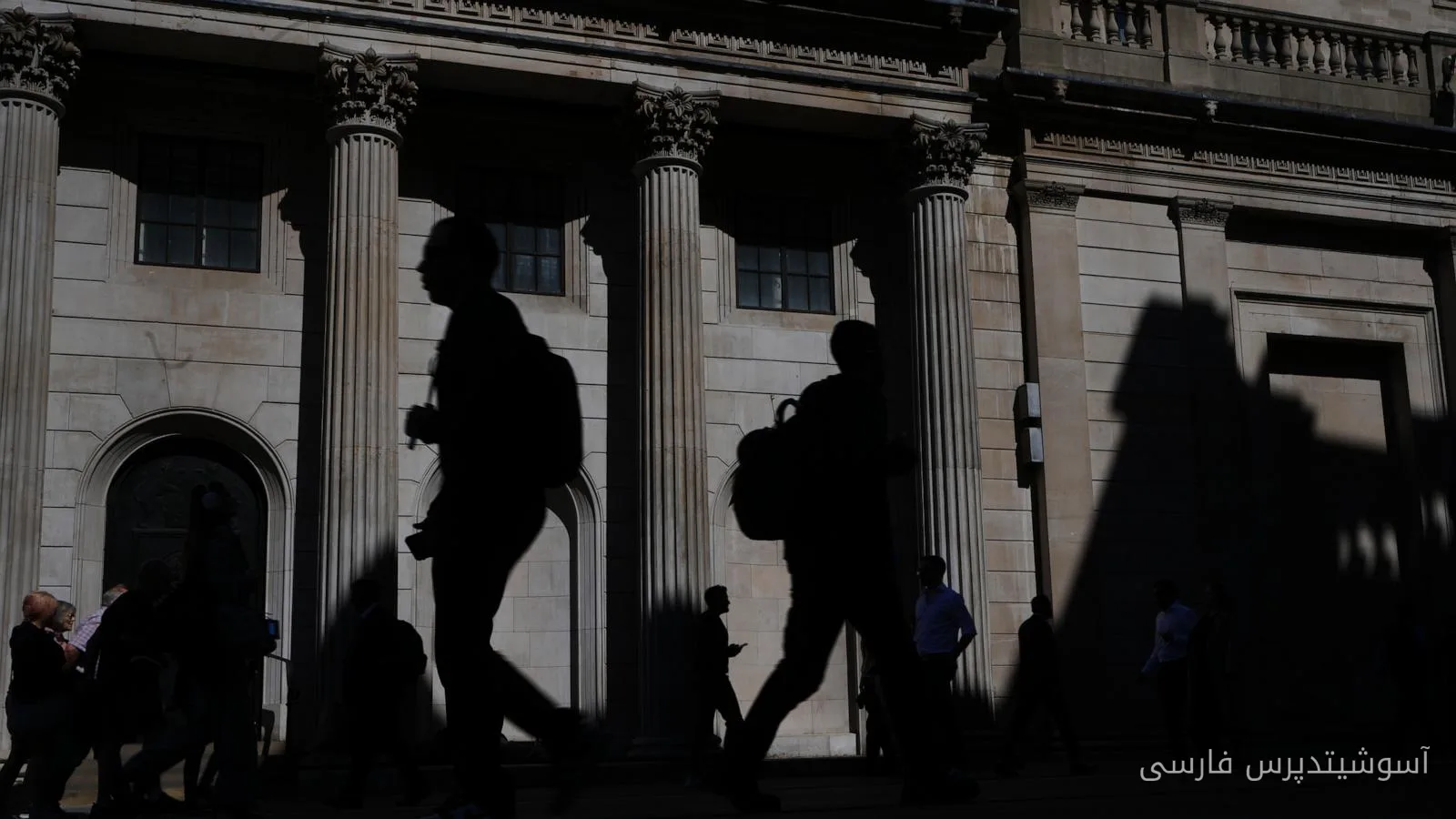
The Federal Reserve has raised interest rates for the first time in three years. This decision was made as the U.S. economy is recovering from the crisis caused by the COVID-19 pandemic. Raising interest rates is typically done to control inflation and stabilize prices.

Details of the Interest Rate Increase
The interest rate has increased by 0.25 percent, reaching a range of 0.25 to 0.50 percent. This change reflects a shift in the central bank's monetary policies in response to signs of economic growth and rising inflation. Central bank officials believe this decision will help strengthen economic growth and reduce inflationary pressures.
Read more: Turkey's government invites citizens to invest in the financial system
Global Protests Against Rising Gas Prices
Alongside this issue, protests are being held around the world due to rising gasoline prices. Citizens in various countries have taken to the streets, demanding immediate government action to control prices. The rise in energy prices is recognized as one of the main factors of inflation, and many people are concerned about its impact on their daily lives.
Meanwhile, Justin Trudeau, the Prime Minister of Canada, has spoken in the European Parliament, emphasizing the importance of international cooperation in addressing economic challenges. He also referred to climate change and the need for immediate action in this area. Trudeau stated that countries must work to reduce dependence on fossil fuels and develop renewable energy sources.
Consequences of the Interest Rate Increase
The increase in interest rates can have widespread effects on the economy. On one hand, it may lead to reduced economic activity and decreased consumer spending. On the other hand, investors may move towards higher-yield markets, which could impact the stock market. Economists believe that these actions should be taken carefully and at the right time to prevent economic crises.
Ultimately, the decision of the U.S. Federal Reserve and global reactions to rising gasoline prices highlight the complex challenges that global economies face. These issues seem to require broader cooperation and more effective policies to achieve a more stable situation.
Read more: 500 colleges with high student loan default rates identified · The government paid $9.5 billion to federal employees
Source: npr.org