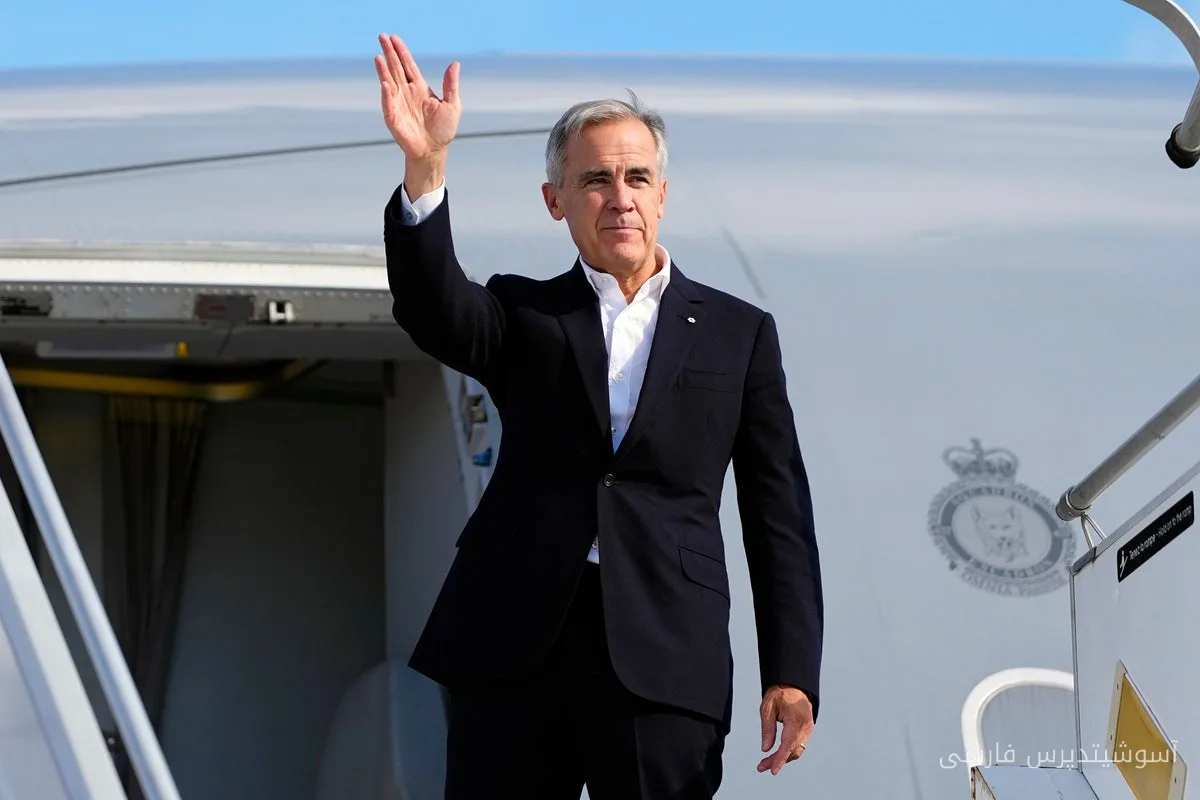
Mark Carney, the Prime Minister of Canada, reacted positively on Thursday to the possibility of his country becoming the first associate member of the European Union. He stated that strengthening relations with Europe is essential to prevent control over Canadian markets, reduce its sovereignty, and threaten its freedoms.
Response to Trump's Threats
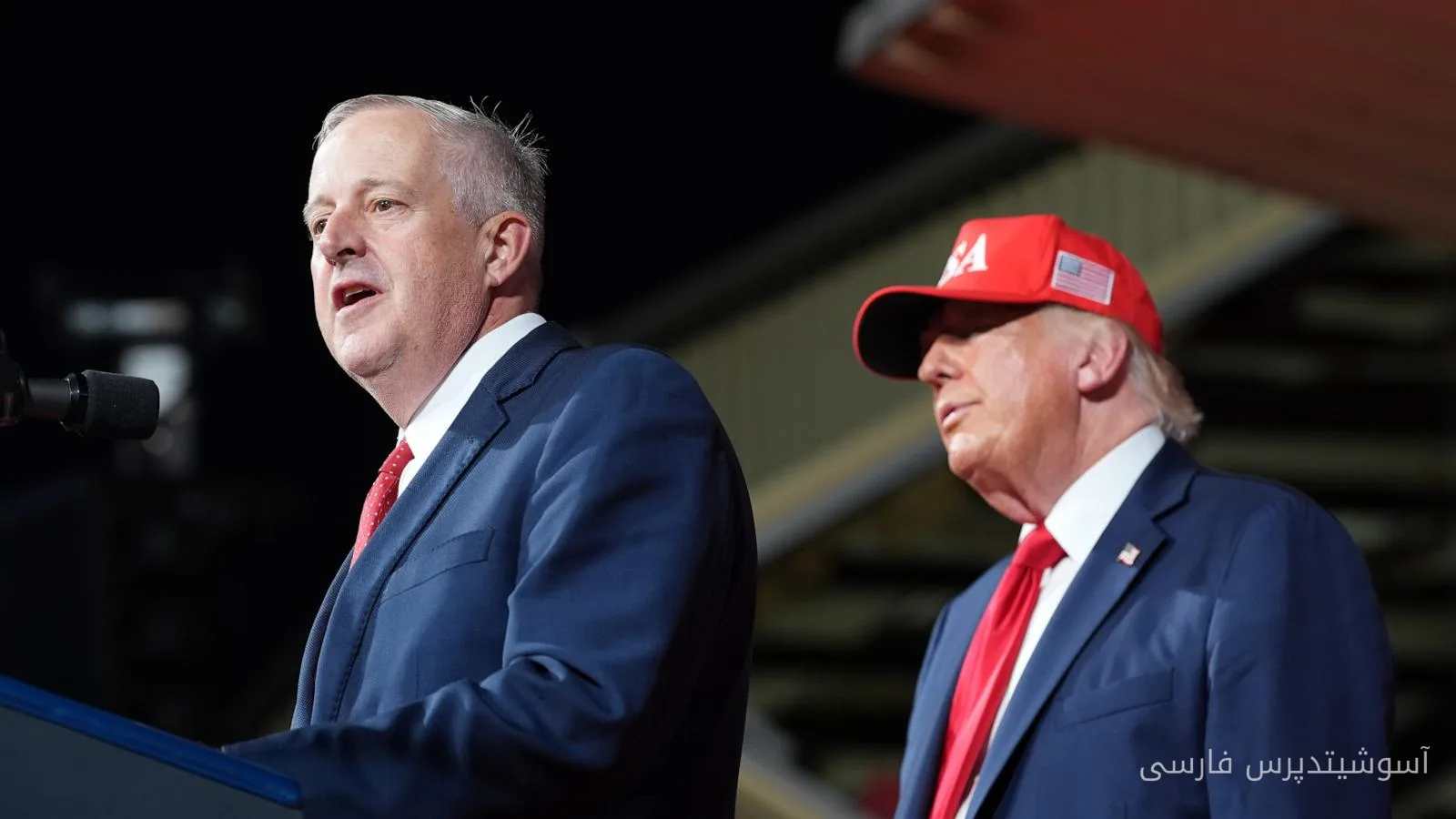
Carney's remarks came in response to a suggestion by Donald Trump, the President of the United States, that this agreement could be a "hostile act" and a threat to impose heavy tariffs on Europe if it does not show goodwill. In a speech that repeatedly emphasized cooperation between Europe and Canada, Carney told the European Parliament that he welcomed the proposal by Ursula von der Leyen, the President of the European Commission, which was presented on Wednesday.
Read more: Russia's Attacks on Kyiv Left 16 Injured
Carney acknowledged that the concept of "associate membership" still needs to be defined and outlined its details as: deeper integration of Canada and Europe in areas such as trade, defense, critical minerals, artificial intelligence, energy, space, research, and financial services to reduce the vulnerabilities of both sides to economic and geopolitical pressures.
Canada's Economic History and New Changes
The Prime Minister stated, "I am not suggesting that we create a third bloc to become a competitor to the great powers — just with better manners." He added that the goal is to build Canada's resilience so that no country can control its markets, undermine its sovereignty, or dictate its choices.
Carney was warmly welcomed by members of Parliament upon entering the chamber, with many coming forward to shake hands and request selfies. After his speech, he received a standing ovation from the representatives. One member attended the event wearing a Canadian hockey jersey.
For generations, Canada has built its economy on integration with the United States. Trump's tariffs, economic demands, and frequent talk of making Canada the 51st state have pushed Ottawa towards reducing its dependence on the United States and seeking deeper economic, security, and political relations with Europe.
Von der Leyen suggested that Canada become the first associate member of the European Union — a status that does not currently exist in the treaties of this bloc and needs to be created. She stated that Europe wants to elevate its relationship with Canada to the "highest possible level."
Carney will host European Union leaders for a Canada-EU summit in Montreal on October 29 and 30, where both sides are expected to discuss further details about this new relationship.
Canada sends nearly 70 percent of its exports to the United States, making it highly vulnerable to Trump's tariffs. Ottawa has responded to these threats and rejected Carney's demands, which he claims threaten Canada's sovereignty. Europe has taken a different path, refraining from retaliation and accepting tariffs of up to 15 percent on most EU exports to the United States.
Carney has repeatedly called on middle powers to stand against such economic coercion. He warned at the World Economic Forum in Davos in January that when countries negotiate alone with a dominant power, "we negotiate from a position of weakness. We accept what is offered."
Jonathan Wilkinson, Canada's proposed ambassador to the European Union, said on Wednesday that Canada is not seeking full membership in the EU as this would require ceding some sovereignty. He added that Ottawa wants to "get as close to Europe as possible" while enhancing Canada's independence.
The exact meaning of associate membership still needs to be negotiated. Both sides have also discussed closer cooperation in areas such as energy, critical minerals, artificial intelligence, and digital trade.
Daniel Béland, a political science professor at McGill University in Montreal, stated, "The policies and rhetoric of the Trump administration have clearly prompted Canada and the EU to envision a world without strong U.S. leadership and to act accordingly."
Nielson Wiseman, an emeritus professor at the University of Toronto, said that Carney's handling of Trump has increased European interest in the Canadian leader. He added, "Carney's cleverness in dealing with Trump has drawn Europe's attention."
Read more: Trump Administration Signs Contracts to Acquire East Potomac Golf Course Land · EU Proposes Canada to Become Its First 'Associate Member'
Source: independent.co.uk