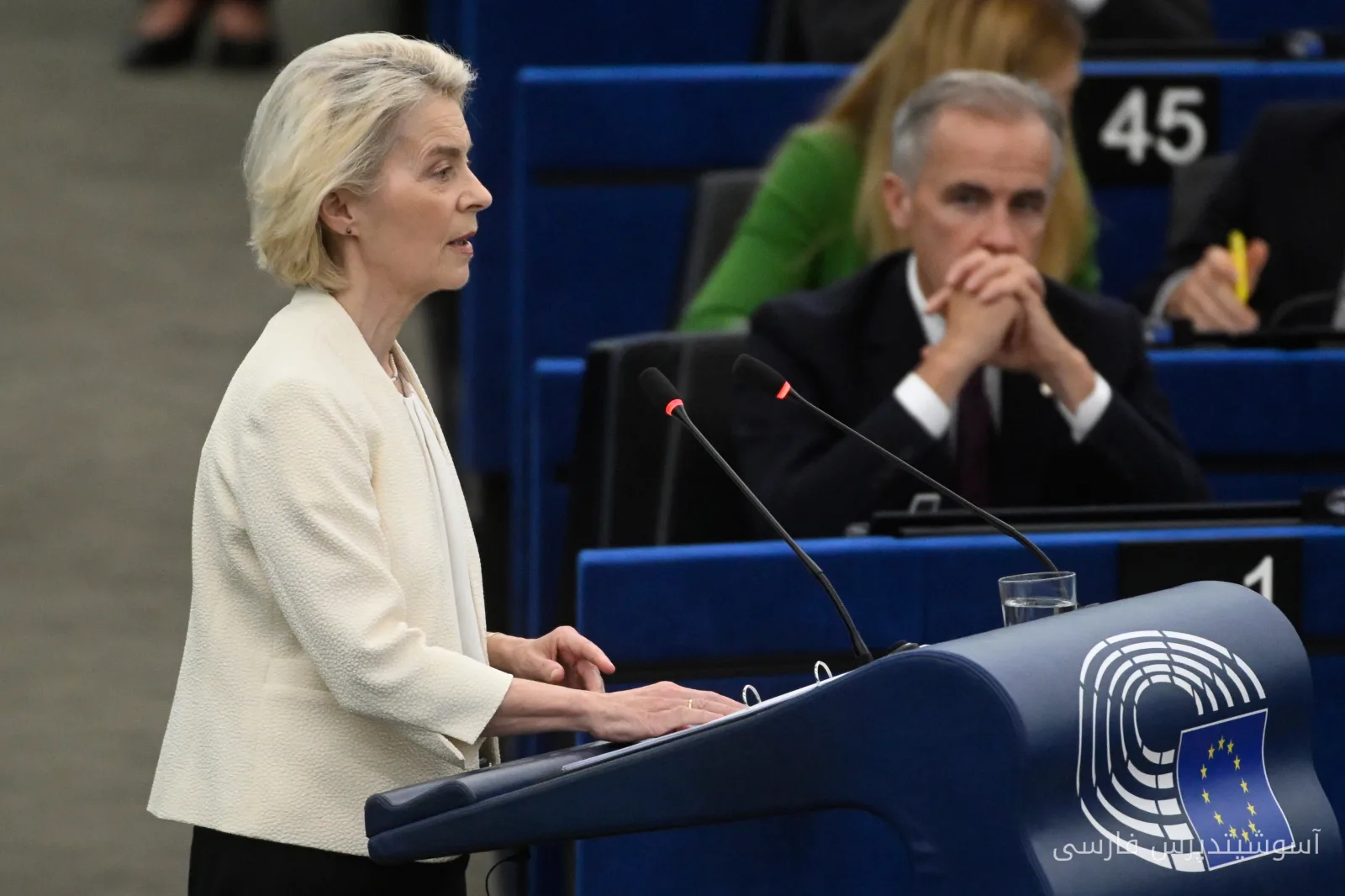
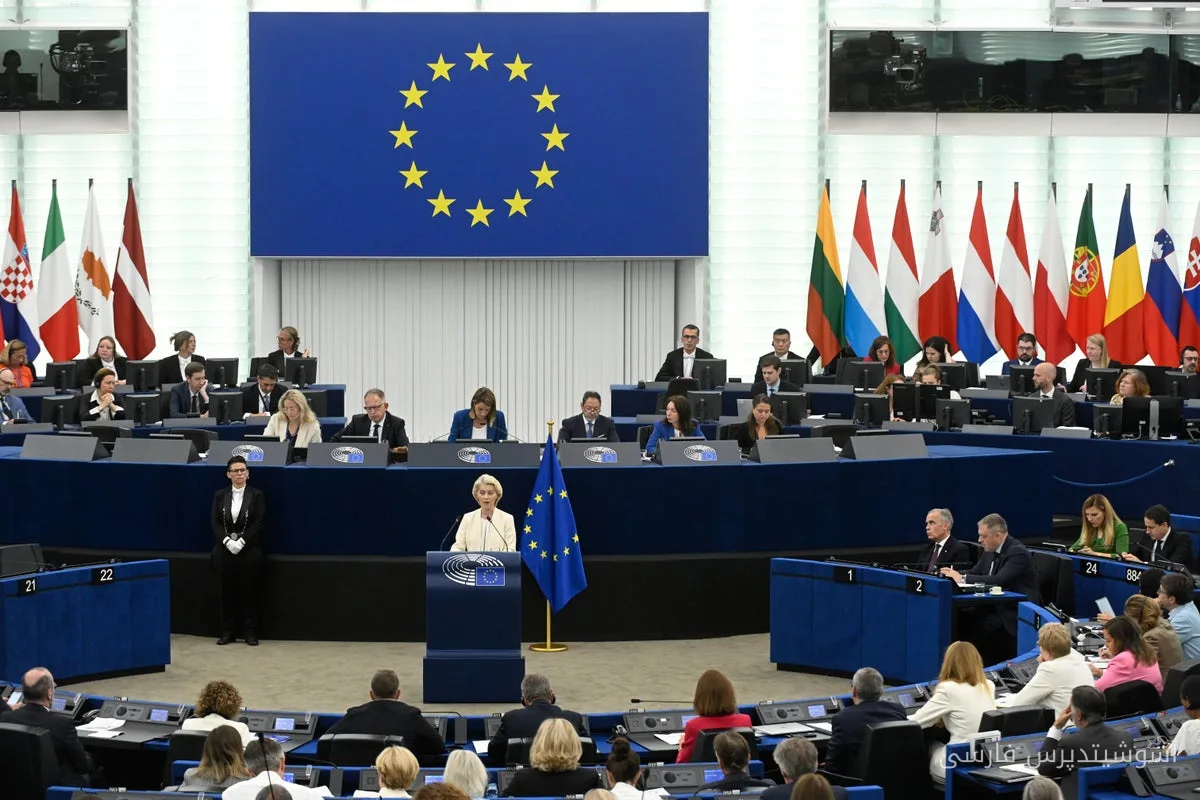
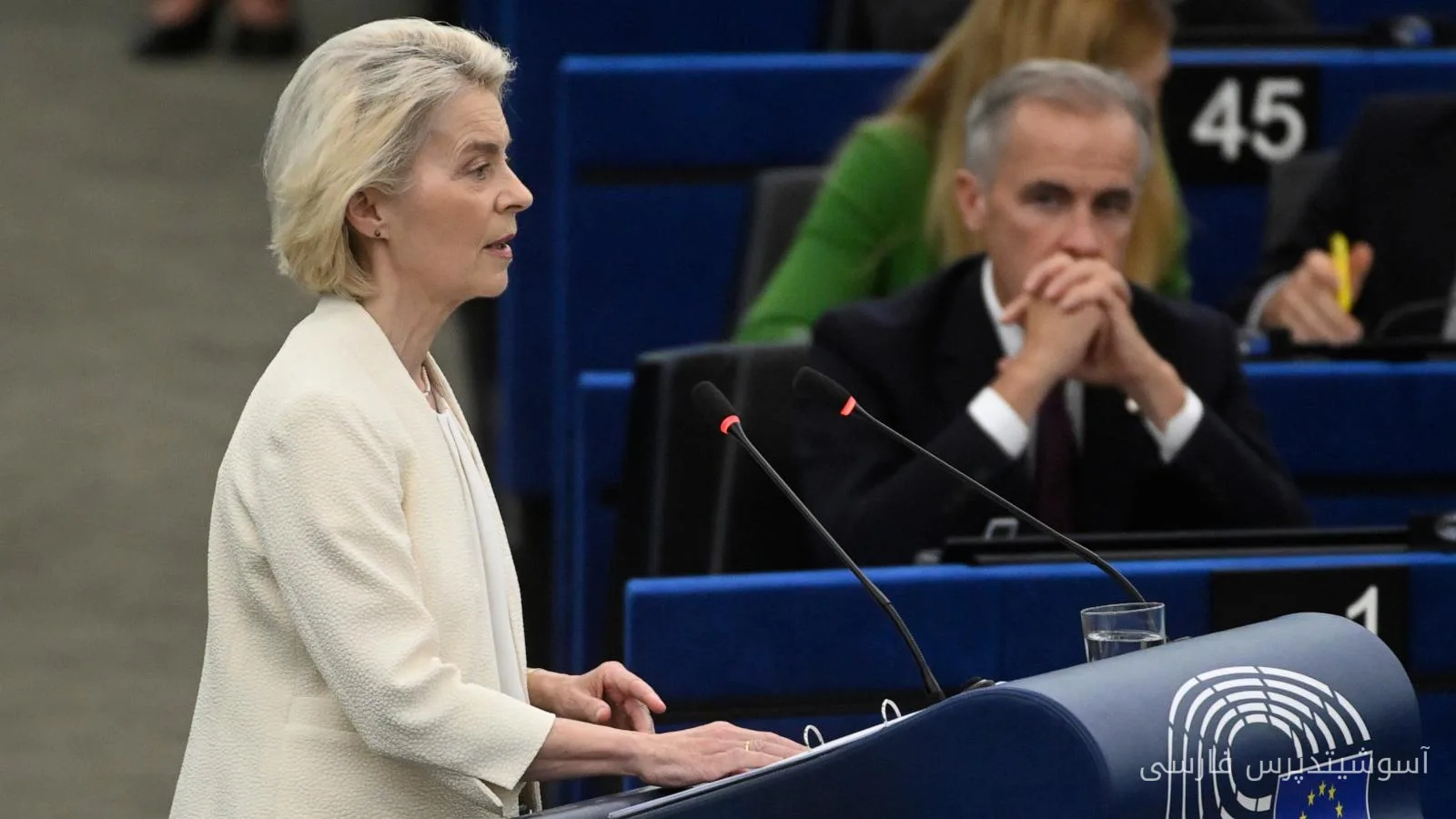
The President of the European Commission, Ursula von der Leyen, proposed on Wednesday that Canada be recognized as the first associate member of the European Union. This proposal has been made as trade tensions between Canada and the United States have led to increased cooperation between Canada and Europe.
Background of Canada-U.S. Relations
Recent tensions arising from U.S. tariffs and statements by U.S. President Donald Trump regarding making Canada the 51st state of the country have affected the relations between the two North American neighbors. Canada, which sends about 70 percent of its exports to the United States, is seeking to reduce its dependency on this country.
Read more: The €232 million package from the European Union for Greenland amid tensions with Trump
Mark Carney, the Prime Minister of Canada, has also called for the establishment of a "unique alliance" with the European Union. In her annual speech on the state of the European Union, von der Leyen stated that Canada and the European Union should create a "Union for the Future" based on their existing free trade agreement, known as CETA, aimed at creating a space for "shared prosperity and economic security."
Details of the Associate Membership Proposal
Von der Leyen described this closer relationship as based not only on trade but also on shared democratic values. She told Mark Carney, "Ultimately, Europe and Canada believe in democracy." Carney welcomed this proposal, emphasizing Canada’s determination to strengthen relations with the European Union and stated that this move would help reinforce Canada’s sovereignty.
In this context, it has been proposed that an agreement be signed between Canada and the European Union allowing Canadian citizens to live and work in Europe without a visa. This new cooperation will encompass various fields including advanced manufacturing, technology, defense production, energy, and economic security.
Tobias Krüger, a member of the European Parliament from Germany, noted that Canada-EU relations have reached a stage that requires moving beyond claims and starting to build something more tangible. He called for a more comprehensive strategic alliance between Canada and the European Union, adding that this cooperation could benefit the coalitions of middle powers.
Carney also advised middle power countries at the World Economic Forum in Davos to collaborate with each other to increase their influence in the era of great power competition. He emphasized that "when we negotiate only bilaterally with a hegemonic power, we negotiate from a position of weakness."
Ultimately, Carney announced that these collaborations would be enhanced at the Canada-EU summit in Montreal in late October. In response to U.S. tariffs, Canada has imposed reciprocal tariffs and rejected trade conditions that, according to Carney, undermine the sovereignty of the country.
Read more: Security warnings from Spain ahead of the border crisis in Ceuta · Century Partnership: Canada and Ukraine reach an agreement on drone production
Source: abcnews.com