The Left Bloc of Sweden, led by Magdalena Andersson (Magdalena Andersson) of the Social Democratic Party, has narrowly surpassed the right coalition led by Ulf Kristersson (Ulf Kristersson) in the general elections. Initial results predict that the Left Bloc will secure 176 seats out of 349 in parliament.
Close Competition in Election Results
However, about six percent of the votes are still uncounted. The right coalition, which includes the Christian Democrats, the Liberal Party, and the Sweden Democrats, is projected to secure 173 seats and is trailing the Left Bloc by only about 20,000 votes. Final results are expected to be announced on Wednesday.
Read more: Poland Strengthens Border Security with Ukraine
Election Maps and Analyses
Election maps indicate the success of the Social Democratic Party and the Moderate Party in populous and urban areas, while the Sweden Democrats, which have neo-Nazi roots, have generally been more successful in rural areas. Maps prepared by Swedish public media show the Social Democrats in red, the Sweden Democrats in yellow, and the Moderate Party in light blue.
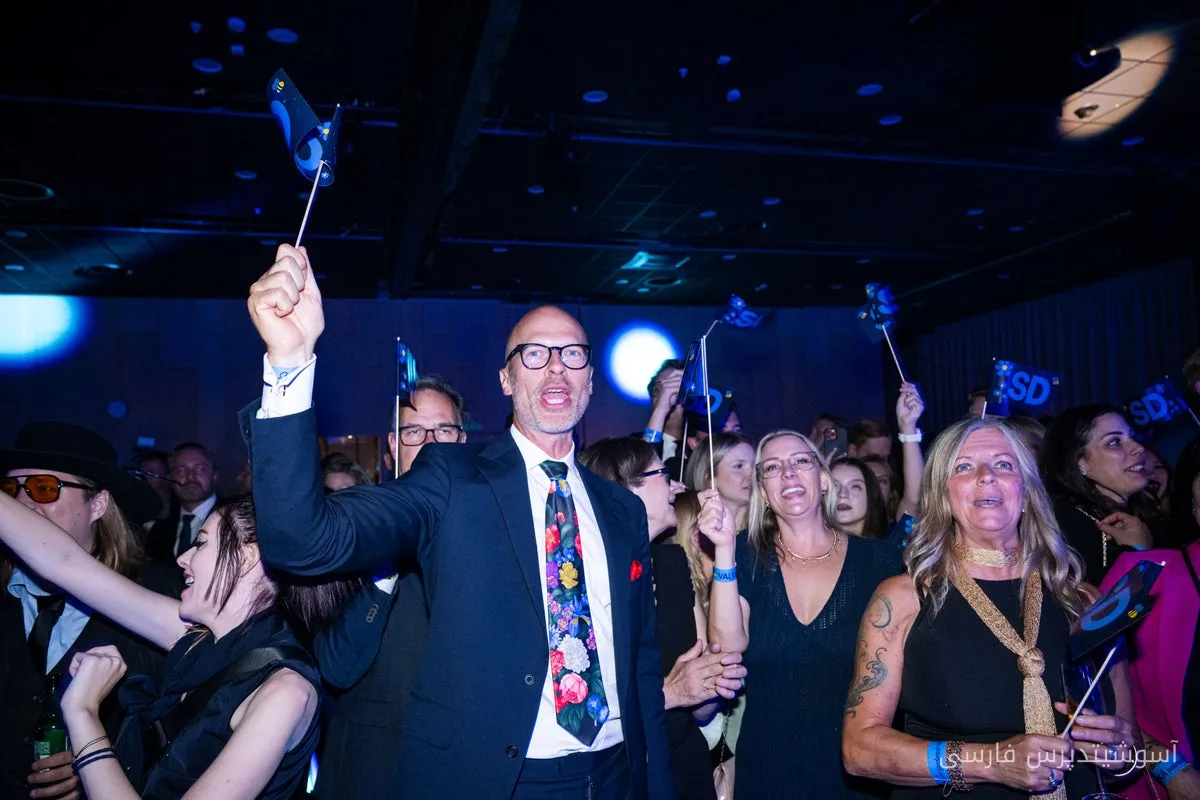
Exit polls from public media show that left parties have been ahead by several percentage points, which brought joy to the Social Democratic Party's election night gathering in Stockholm. However, as the results became closer, the atmosphere turned to a calm anticipation.
The anticipated victory for the Left Bloc is largely due to a decline in votes for the Sweden Democrats, which had contributed to stringent changes in immigration laws in Sweden. Final results are not expected until Wednesday, when local electoral boards count postal and overseas votes.
Sweden elects its parliament through a proportional representation system, where parties must secure at least 4 percent of the votes to gain seats. More than 8 million of the country's approximately 10.6 million people are eligible to vote.
The political landscape of the country is divided into two four-party blocs, with the outcome of the elections largely depending on each bloc's ability to form a majority. Both the Social Democrats (28.1 percent) and the Sweden Democrats (17.6 percent) have faced slight declines.
Kristersson announced on Monday that the outcome is still realistically uncertain and pointed to an ideological majority in parliament. Andersson also urged her supporters to wait for the final count.
Read more: Stunning Victory of the Far-Right in Germany with a Friendly Face · Albin Kurti Forms New Government of Kosovo
Source: independent.co.uk