The Federal Reserve is likely to raise interest rates today for the first time in over three years. It is expected that the central bank will increase its benchmark interest rate by a quarter of a percentage point, bringing it to a range of 3.75% to 4%. This move will lead to higher borrowing costs for consumers looking to buy cars, expand businesses, or manage credit card debt.
Interest Rate Increase to Control Prices
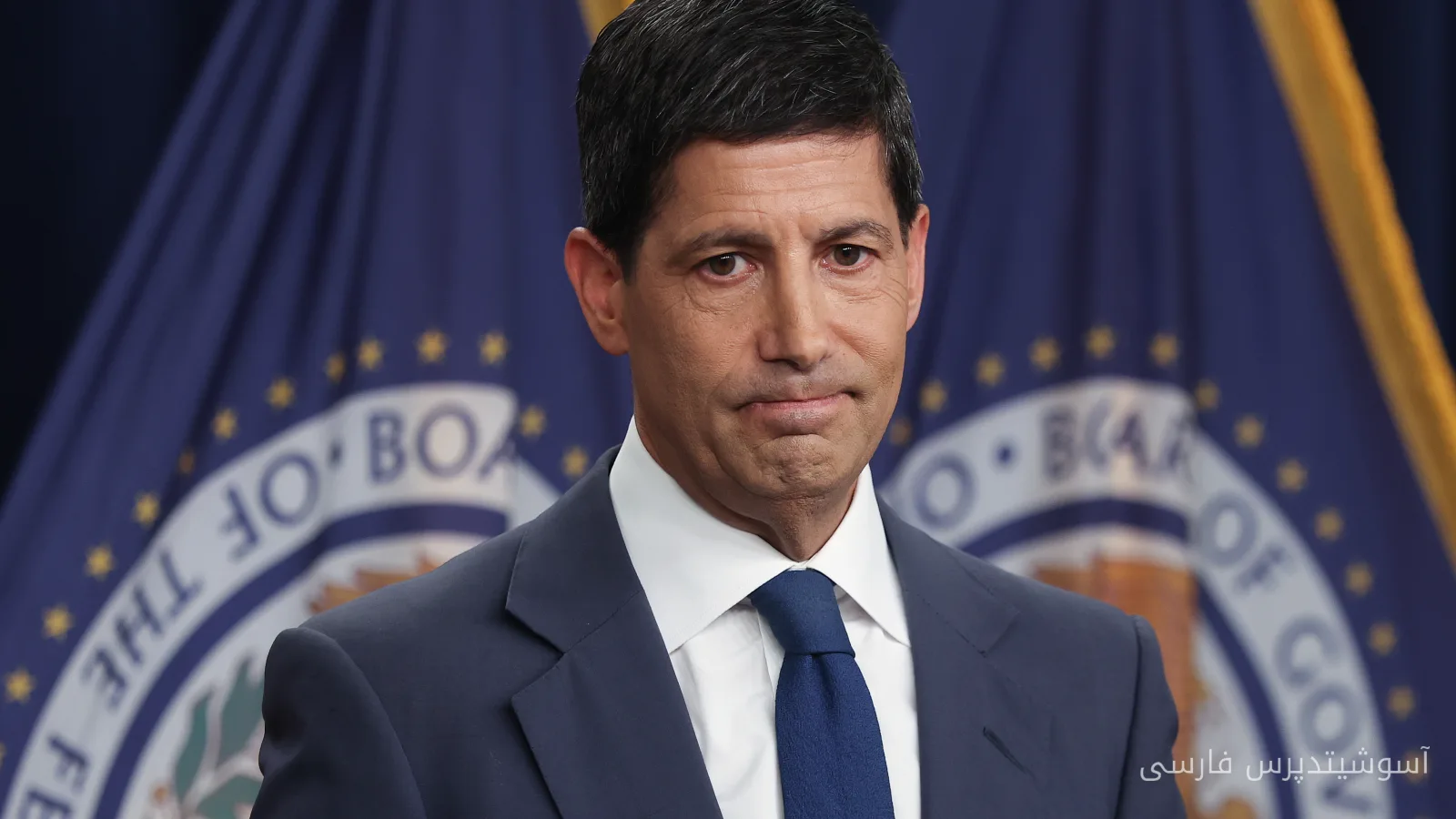
The Chairman of the Federal Reserve, Kevin Warsh, and his colleagues are widely expected to raise their benchmark interest rate on Wednesday. This action indicates an effort to reduce demand and control prices. Raising interest rates is typically used as a tool to curb inflation and regulate financial markets.
Read more: A couple in Arizona is at risk of losing their home due to a $977 debt
Impact on Housing Market and Home Buying Costs
With the interest rate increase, it is expected that home buying costs will also rise. Homebuyers are facing hidden costs or what are known as "junk fees" that can create a heavy financial burden. These fees are typically charged at the closing of a deal and can include documentation and maintenance costs. Estimates suggest that buyers and sellers collectively pay nearly $2 billion a year in these fees.
Additionally, the Kennedy Center in Washington, D.C. has also taken action to close this arts venue following a board vote. This decision came after a plan to name the building or its grounds after Donald Trump was blocked. President Trump had promised to cancel the center's renovation plans if a court ruling was not overturned.
Reports of War-Related Damages
The war in Iran has inflicted widespread damage on U.S. military bases and created shortages in American weaponry. Reports from the Congressional Budget Office and the Pentagon's Inspector General indicate that this war has led to significant destruction at locations such as the U.S. Navy base in Bahrain. Estimates suggest that the cost of the war has exceeded $30 billion, not including the costs of rebuilding damaged bases.
Challenges in Accessing Fertility Health Services
A new analysis shows that about 21.4 million women in the United States need subsidized birth control and live in counties with limited access to these services. This analysis has produced interactive maps based on data from 2020 to 2023, showing that many clinics have closed due to changes in the distribution of federal aid and opposition to abortion.
Read more: The Turkish government invites citizens to invest in the financial system · Remarkable job growth in America; is inflation on the rise again?
Source: npr.org