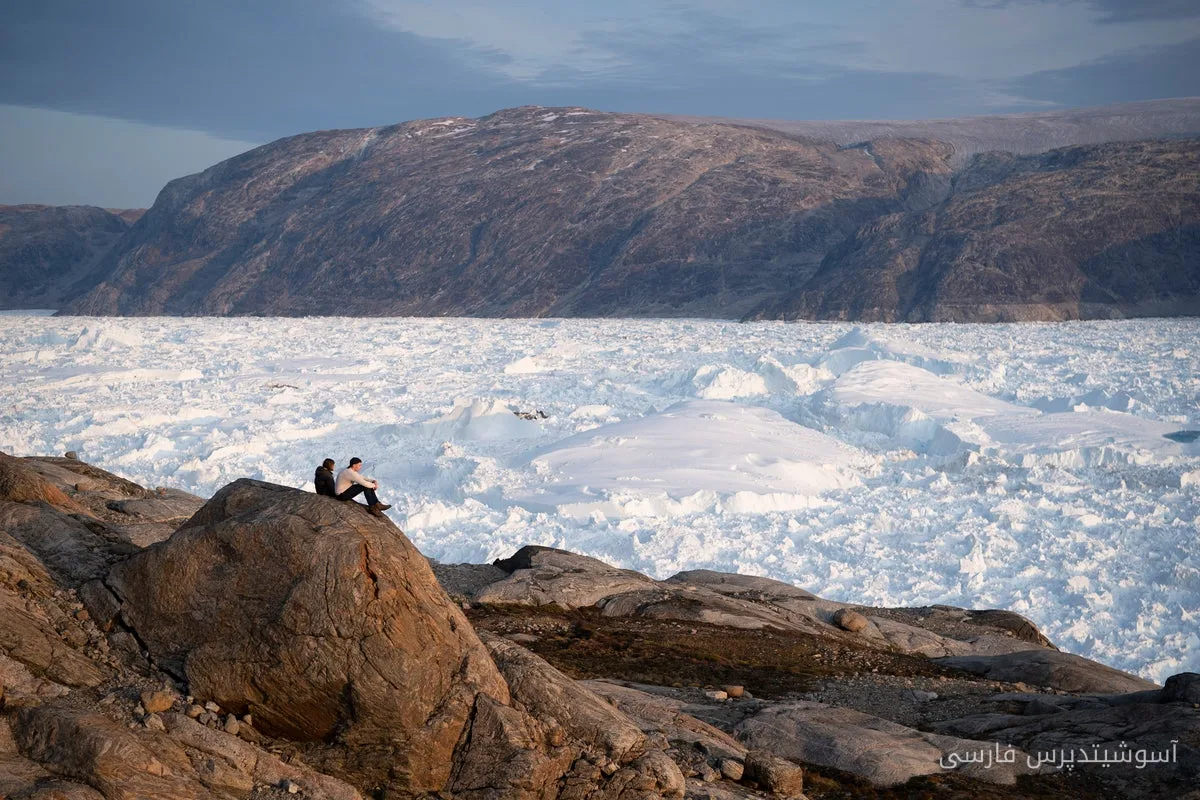
A new report shows that since 1979, 12.5 trillion tons (11.3 trillion metric tons) of ice have melted from the glaciers of Greenland and Antarctica. This amount of melted ice is enough to cover the entire United States with ice up to 1.5 meters deep.
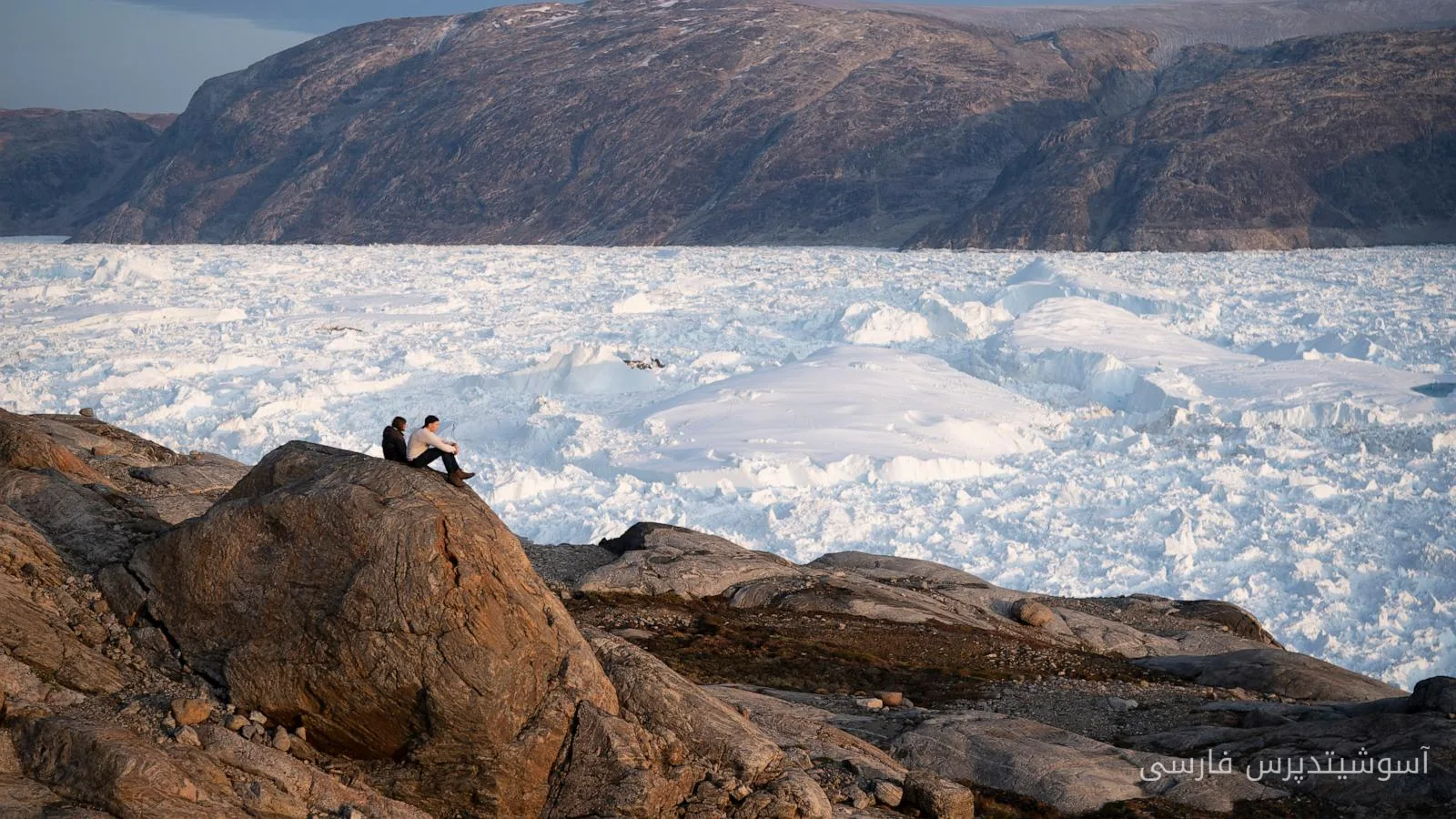
The Impact of Global Warming on Ice Melt
Global warming has accelerated the melting of the planet's two largest ice sheets. According to a study published in Wednesday's issue of Scientific Data, five-sixths of this melting is not due to warm air, but rather caused by warm water that erodes the glaciers from below and the sides. This situation poses a serious threat for future sea level rise.
Read more: The Battle to Save the Sticky Snail of the Only Lake in Wales
Eric Rignot, a glaciologist at the University of California, Irvine, said: "The glaciers are melting rapidly. We are melting polar regions, and sea levels are rising globally, exacerbating the vulnerability of coastal areas."
The Effects of Ice Melt on Sea Level
All the melted ice has turned into nearly 3 trillion gallons of water (11.3 trillion liters), resulting in a sea level rise of about 3.1 centimeters since 1979. While this amount may seem small, for every third of an inch (or centimeter) increase in sea level, between 2 to 3 million people experience flooding at least once a year.
The Jakobshavn Glacier in Greenland is currently retreating at a rate of 50 meters per day. This situation is driven by rising temperatures and weather phenomena that exacerbate ice melt.
An international team of polar scientists, led by the European Space Agency, has been studying ice melt since 1979 and 1972 using NASA satellite data. This study shows that in the 1970s and 1980s, the glaciers were relatively stable, but melting intensified in the 2010s.
Andrew Shepherd, one of the study's authors, warned that changes are being tracked decades after global warming. He said: "This indicates that we can expect these changes to continue for decades to come, even if we can stop global warming."
Future Predictions and Challenges
The rate of ice melt from 2020 to 2023 appeared to have stalled, but the study's authors said this is largely related to short-term climate variability. They also observed that the acceleration trend has begun again.
According to scientists, stability in Antarctica has been partly due to unprecedented snowfall in East Antarctica, which has compensated for the faster melting of the western glaciers. They also noted that dynamic changes in glaciers, as opposed to uniform melting from the air, can lead to sudden tipping points.
David Holland, a glaciologist at New York University, expressed concern that much of the ice loss is dynamic, which is exactly what is expected in glacier instability scenarios.
The international team used data from 45 independent surveys and 27 different satellites. Holland said: "Using relatively independent methods gives me more confidence in the results. The upward trend is real."
These challenges related to ice mass loss in Antarctica pose a serious threat to human management of the planet.
Read more: Energy Transfer in Africa with Electric Motorcycles in Kenya · 12.5 Trillion Tons of Ice Melted from Greenland and Antarctica
Source: abcnews.com