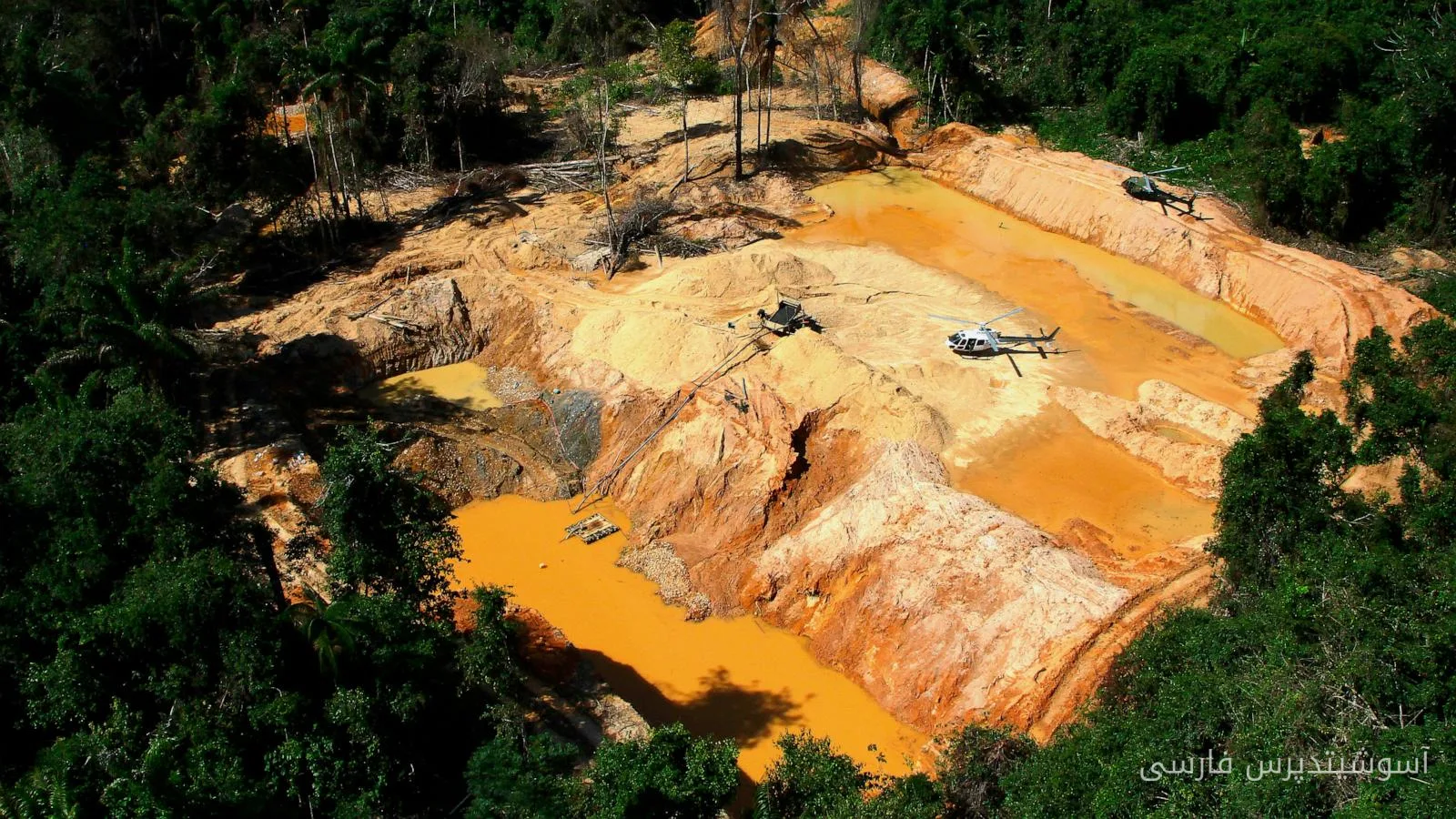
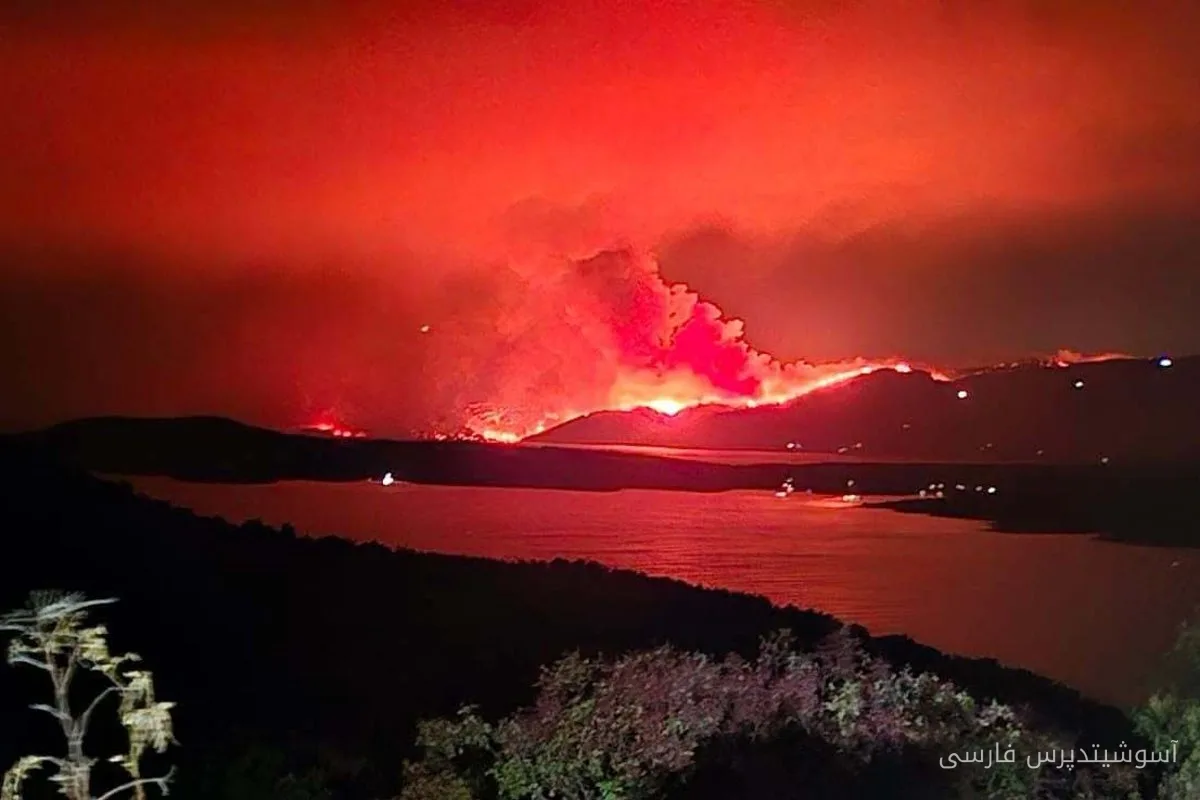
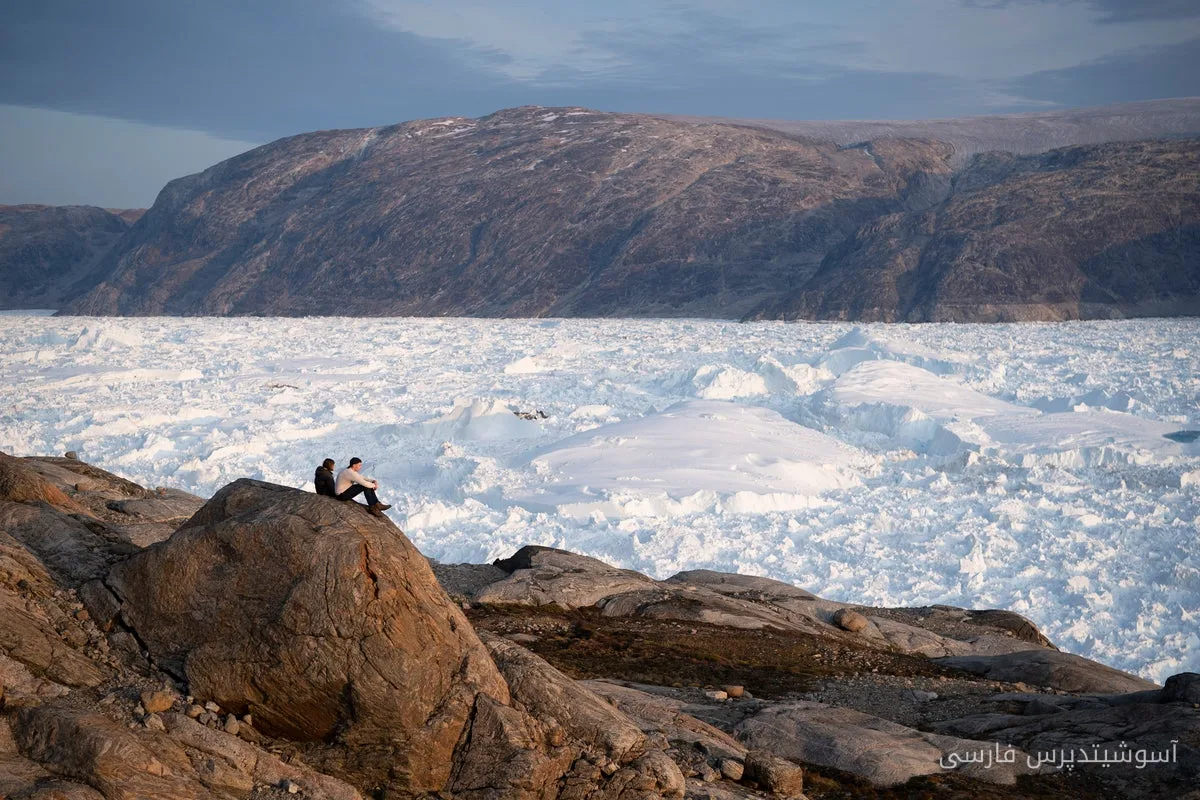
Ice sheets in Greenland and Antarctica have melted more than 12.5 trillion tons since 1979, equivalent to nearly 3 quadrillion gallons of water. This amount of melted ice has caused sea levels to rise by about one inch (3.1 centimeters).
Melting Ice Trends and Their Consequences
According to researchers, high land temperatures have rapidly contributed to the melting of the two largest ice sheets on Earth. Five-sixths of this melting is due to warm waters affecting the underside and sides of the ice sheets. This could lead to further sea level rise in the future.
Read more: EPA Lifts Pollution Restrictions on Coal Plants
Eric Rignot, one of the study's authors, stated, "The ice sheets are melting rapidly, and we are seeing sea level rise globally, which increases the vulnerability of coastal areas."
Impacts on Populations
With rising sea levels, for every third of an inch (or centimeter) increase in sea level, 2 to 3 million people are annually at risk of flooding. This information was provided by Ines Otosaka, the lead author of the study. Additionally, the Jakobshavn Glacier in Greenland is currently retreating by up to 50 meters a day.
This international team of polar scientists, led by the European Space Agency, has been able to assess the volume of ice sheets using NASA satellites since 1979 in Antarctica and since 1972 in Greenland. Otosaka said, "We have a clear trend showing that the ice sheets are losing more and more mass, and this is increasing."
Consequences of Climate Change
According to Andrew Shepherd, another author of the study, changes in the ice sheets are related to delays in global temperature changes, and this trend is expected to continue in the coming decades, even if we can stop global warming.
The ongoing connection between melting ice and climate change is of great importance. David Holland, an ice scientist at New York University, warned about the instabilities of the ice and their dangers, emphasizing that most of the ice loss is due to dynamic reasons that could lead to ice sheet collapse scenarios.
This study utilized 45 independent assessments and 27 different satellites. Given the lack of major changes from 2020 to 2023, researchers believe this situation is more related to short-term atmospheric fluctuations.
Read more: Whitmer's Reaction to Court Ruling: Line 5 Tunnel Project in Doubt · Traveling to the Virtual World: From the Ruins of the West Bank to 17th Century Amsterdam in Venice
Source: independent.co.uk