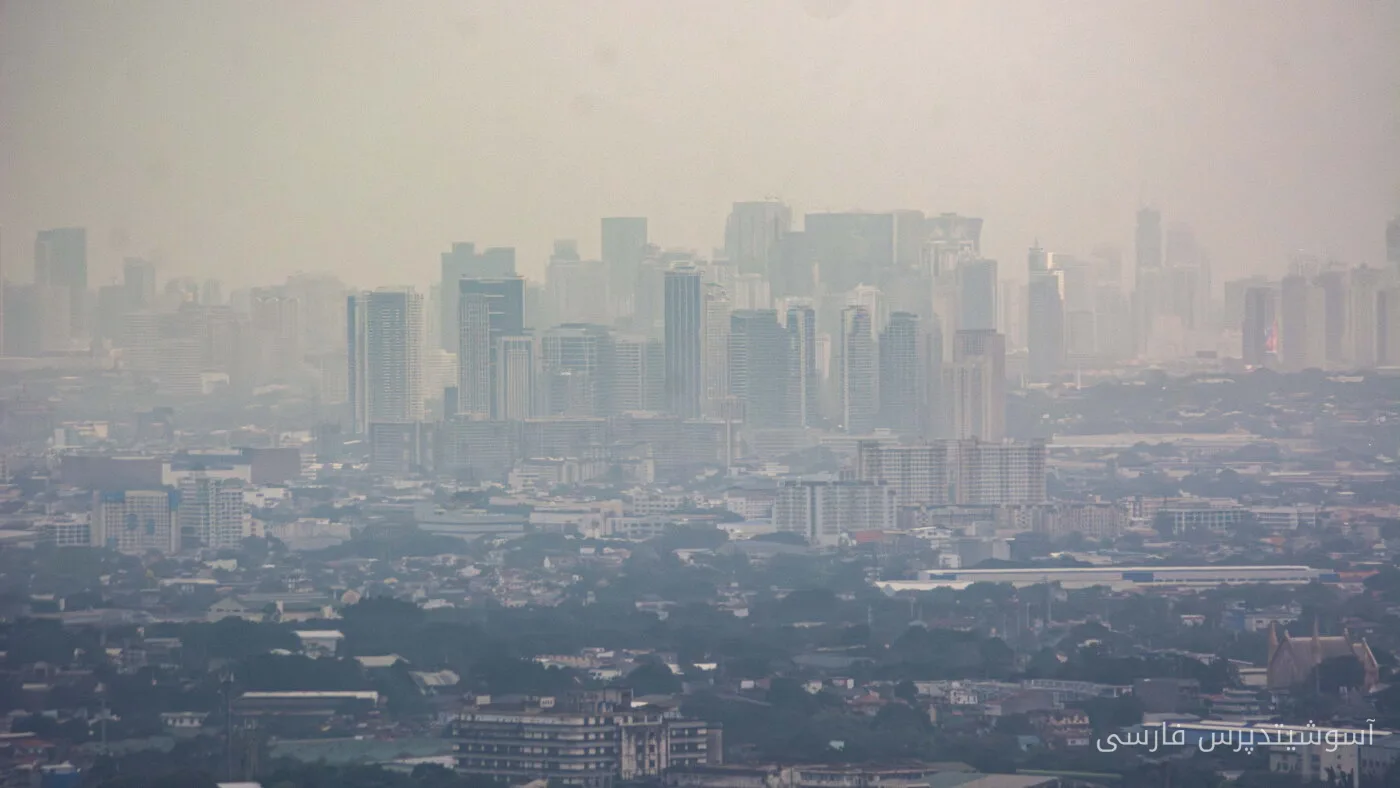
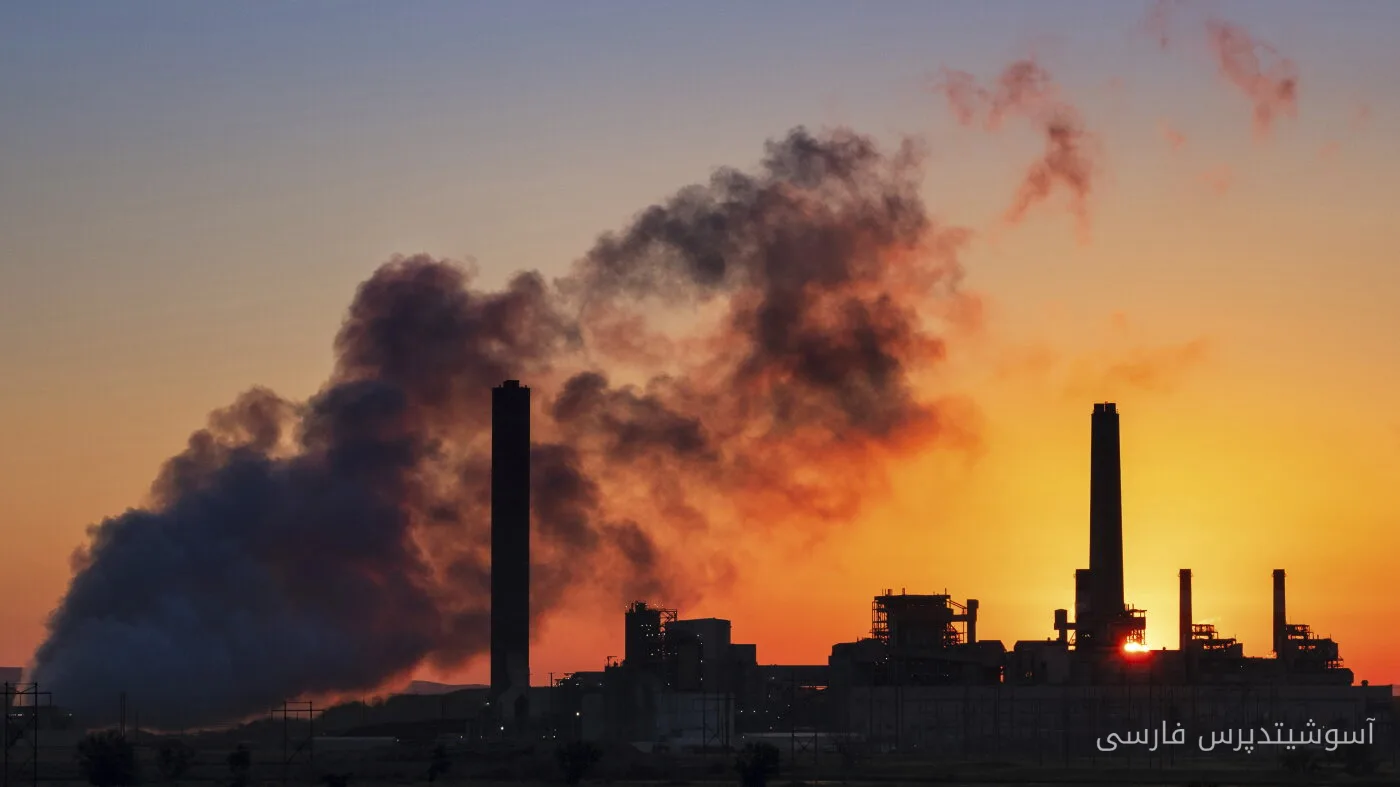
The U.S. Environmental Protection Agency (EPA) is expected to announce on Monday that it will no longer impose restrictions on greenhouse gases from coal and gas power plants. This action marks the completion of the Trump administration's efforts to overturn climate policies from the previous two Democratic presidents.
Details of the Lifting of Restrictions
According to reports, the lifting of these restrictions is only half of the agency's plans. The EPA intends to argue that greenhouse gases from power plants are not harmful to human health and the environment, and therefore, the agency has no authority to regulate them under the Clean Air Act. If this argument is upheld in court, not only will current regulations be revoked, but the legal basis for any new laws that future administrations wish to impose will also be eliminated.
Read more: Increase in Biomass Energy Production in Japan Threatens Indonesia's Forests
Reactions to the New Move
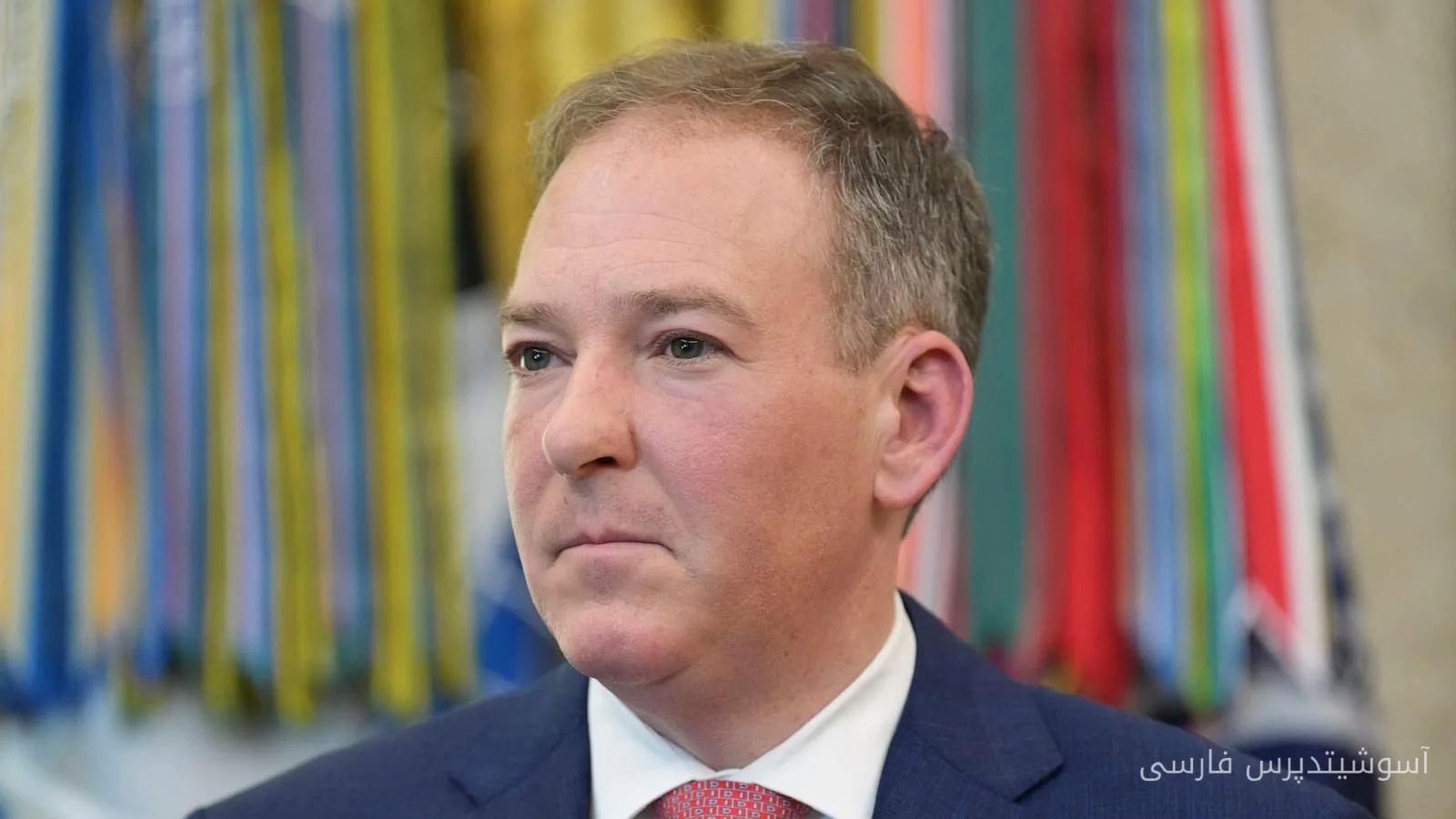
Kristy Jenks, head of the Environmental Law and Energy Program at Harvard Law School, said, "They are working hard to prevent any regulation on one of the largest sources of pollution in the United States." This action comes as Lee Zeldin, the EPA administrator, is expected to announce the news in Houston at a meeting with G20 energy ministers.
Electricity generation is the second-largest source of carbon dioxide and other greenhouse gases in the United States. If the U.S. energy sector were considered as a country, it would rank as the fifth-largest climate polluter in the world.
The regulations set to be lifted were finalized in 2024 by the Biden administration and pertained to coal and gas power plants that have not yet been built. These regulations required coal plants to capture and store their carbon emissions underground or for gas plants to use cleaner fuels like hydrogen. The coal industry claimed that this technology was unfeasible and costly, warning that plants would shut down instead of being retrofitted.
The Biden administration had projected that this law would yield $120 billion in public health benefits by 2047. These benefits would primarily come from reductions in soot and other pollutants. It was anticipated that by 2035, these standards could prevent 1,200 premature deaths, 870 hospital visits, and 360,000 asthma attacks.
However, these figures will not be factored into the agency's calculations for the costs of lifting these regulations. During the Trump administration, the EPA was no longer required to estimate public health benefits from pollution reductions in cost-benefit analyses and only calculated compliance costs for businesses.
Manish Bapna, president of the Natural Resources Defense Council, said, "This is another blow to this administration's commitment to protect people and address the climate crisis." According to him, this agency "is ending its legal and moral responsibility to put an end to climate pollution."
Power plants will still be subject to restrictions on mercury, arsenic, and other pollutants, although the EPA has already reduced the amount of mercury they can emit.
Monday's action is the latest in a series of aggressive moves by the Trump administration to reverse decades of environmental protections and make future actions more difficult to prevent harm to the fossil fuel industry.
Reports indicate that the EPA has already revoked greenhouse gas standards for vehicle exhaust and reduced restrictions on greenhouse-warming chemicals in air conditioning and refrigeration systems. Most importantly, this agency has acted against the dangerous findings of the Obama era — the scientific determination that greenhouse gases threaten public health and the basis for the agency's authority to regulate them.
The Trump administration has labeled climate change as a "hoax" for years and suggested that the entire movement to combat climate change is part of a coordinated operation by China to undermine the U.S. economy.
During his second term, the Trump administration framed these rollbacks as a response to electricity demand, especially from data centers built to run artificial intelligence systems, and sought to burn fossil fuels cheaper and faster.
Despite Trump's efforts to revive fossil fuels and undermine renewable energy, the energy market has not responded to his inclinations. While coal produced more than half of America's electricity in 1990, that figure has dropped to about 17 percent last year. Since 2010, 330 coal plants have closed, and another 60 have announced they will close by 2031.
New coal plants are also no longer economically viable due to the high costs of building and operating gas or renewable energy plants. Utility companies are instead building gas plants, and last year more than two dozen new gas plants were brought online in the United States.
Read more: Greg Stanton Introduced Mining in Congo as Beneficial for Deforestation · Conflicting Convictions Cloud Missouri Congressional Elections
Source: independent.co.uk