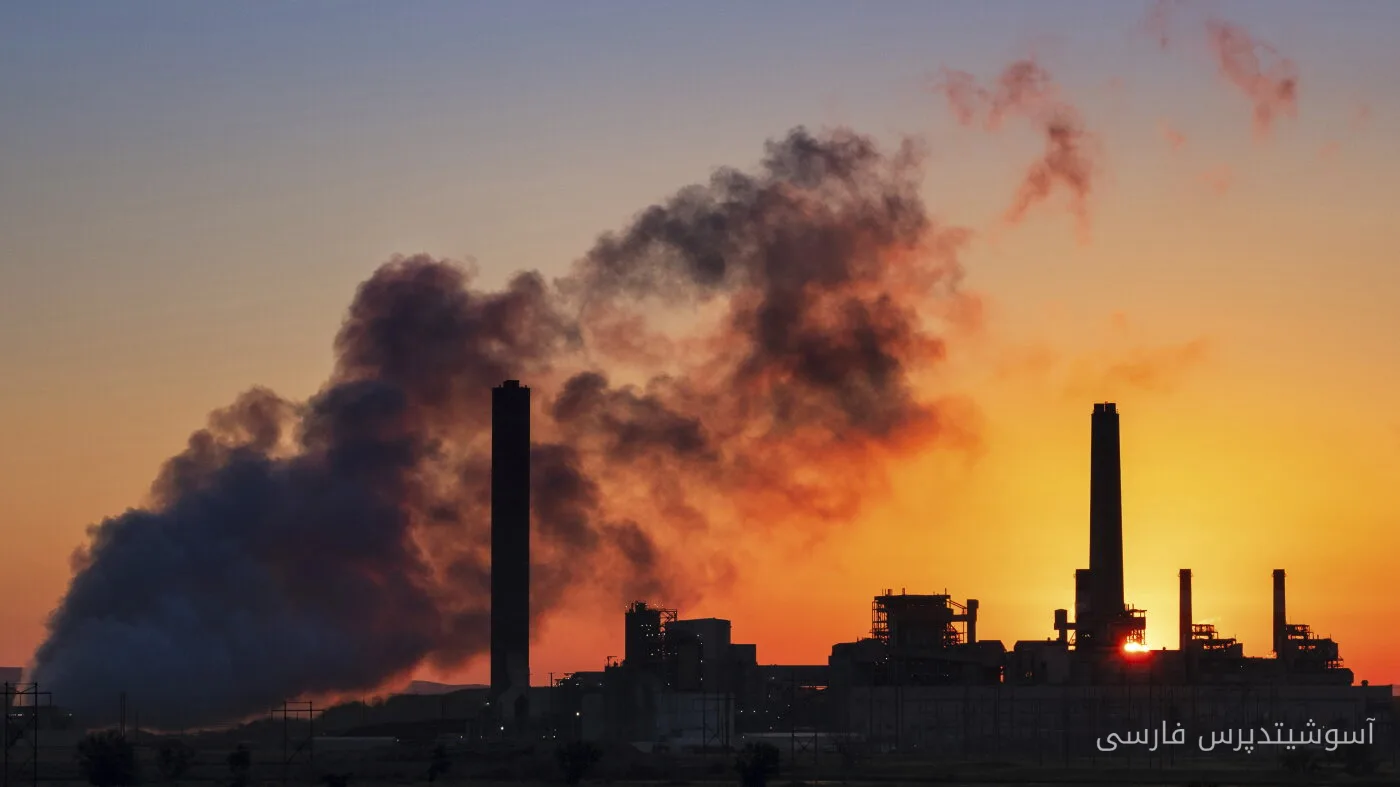
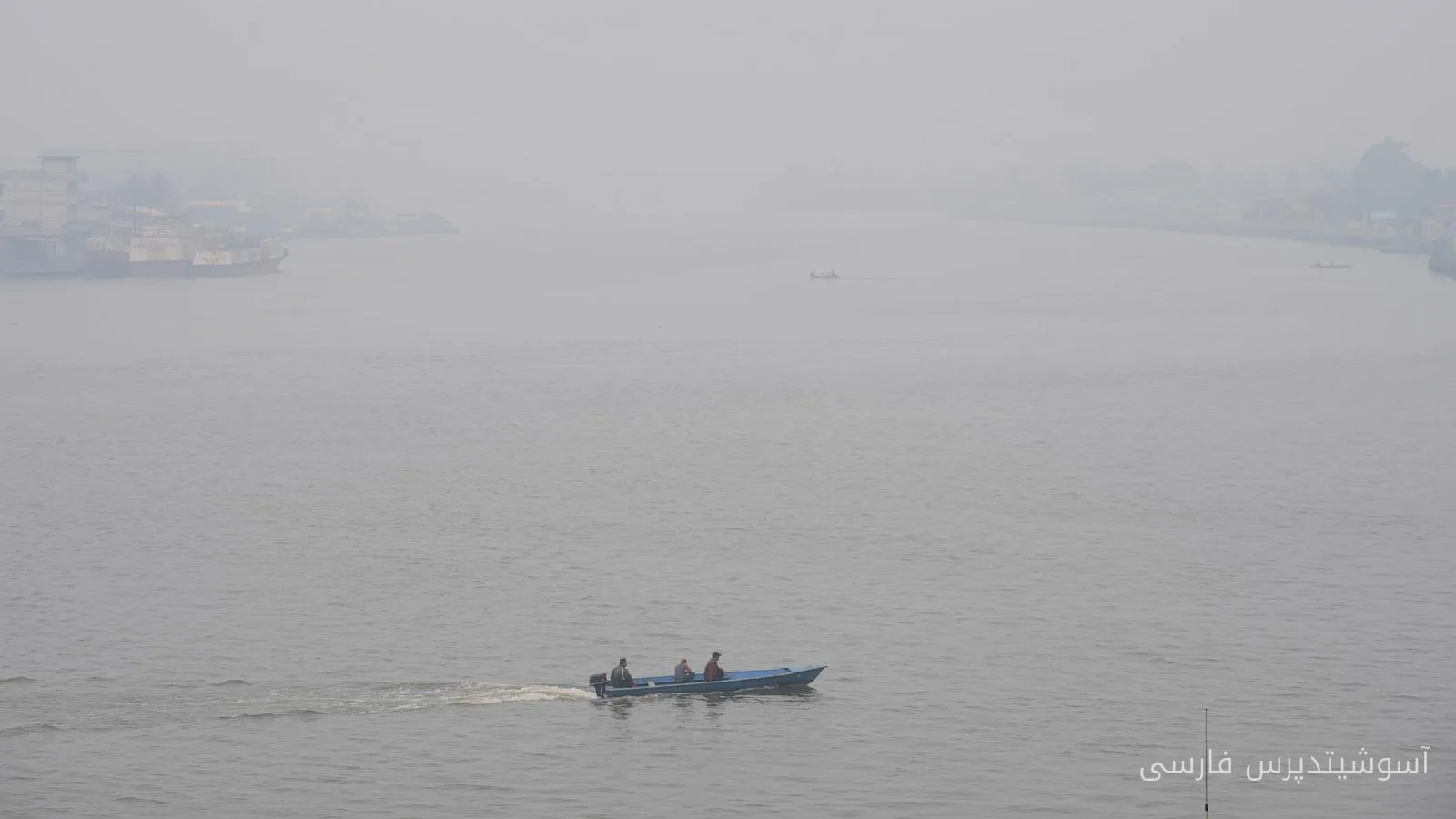
The increase in air pollution in developing countries, following the suspension of air quality monitoring programs at U.S. embassies in 2025, has become an important research topic. This program, which began in 2008, had helped improve air quality in many regions, but after its closure, pollution levels have significantly increased.
Background and Impact of Monitoring
In 2008, U.S. officials installed air quality monitoring devices at embassies and publicly released this information. This action helped raise public awareness about air quality in various countries and encouraged people to value air quality. Over time, the program expanded to over 80 embassies and consulates, resulting in significant improvements in air quality, especially in low- and middle-income countries with limited monitoring systems.
Read more: Extinction Crisis: One Migratory Bird in Every Nine is at Risk
However, in March 2025, the Trump administration suspended the program for financial reasons. Recent research has shown that this action has led to health costs for residents of those countries. Satellite data indicates that in the months following the suspension of monitoring, air pollution levels increased by between 24 to 33 percent.
Research Findings and Consequences
Research conducted by scientists shows that in the 300 days prior to the suspension of U.S. reporting, there was no significant trend in air pollution. However, three to four months after monitoring ended, pollution increased by an average of about 30 percent. Estimates suggest that this increase is equivalent to a 4 percent rise in PM2.5 particulate matter, which can penetrate the lungs and bloodstream, causing health problems.
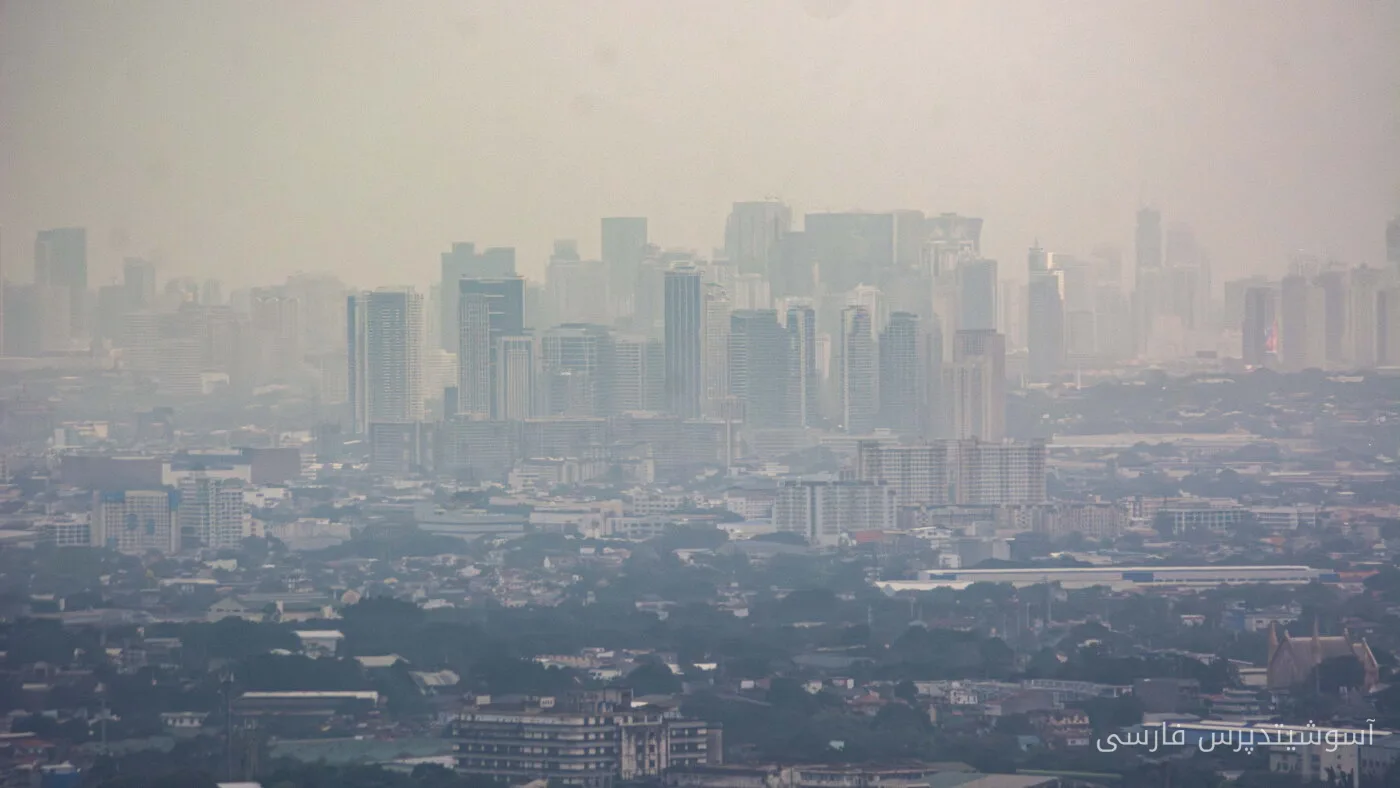
This increase in pollution has been most observed in cities in Southeast Asia, including Manila in the Philippines, Yangon in Myanmar, and Vientiane in Laos. Additionally, pollution has risen more in cities with fewer monitoring options.
Researchers have been unable to definitively say why pollution increased after monitoring was suspended. However, some believe that U.S. data may have led to more regulatory actions, and after this monitoring was removed, some industries may have seen an opportunity to cut costs and violate regulations.
Nevertheless, research indicates that after the spike in pollution in the three or four months following the suspension of monitoring, pollution levels have relatively decreased. The reason for this decrease is still unclear and may be due to other monitoring efforts initiated by individuals or local governments.
Data and information in this area are of great importance, and access to this information is essential for the continued improvement of air quality. The lack of information can lead to reduced accountability in this regard.
Read more: Serious Warning About El Niño: Galapagos Wildlife at Risk · Trump Administration: $5,000 Checks for Americans on the Way?
Source: npr.org