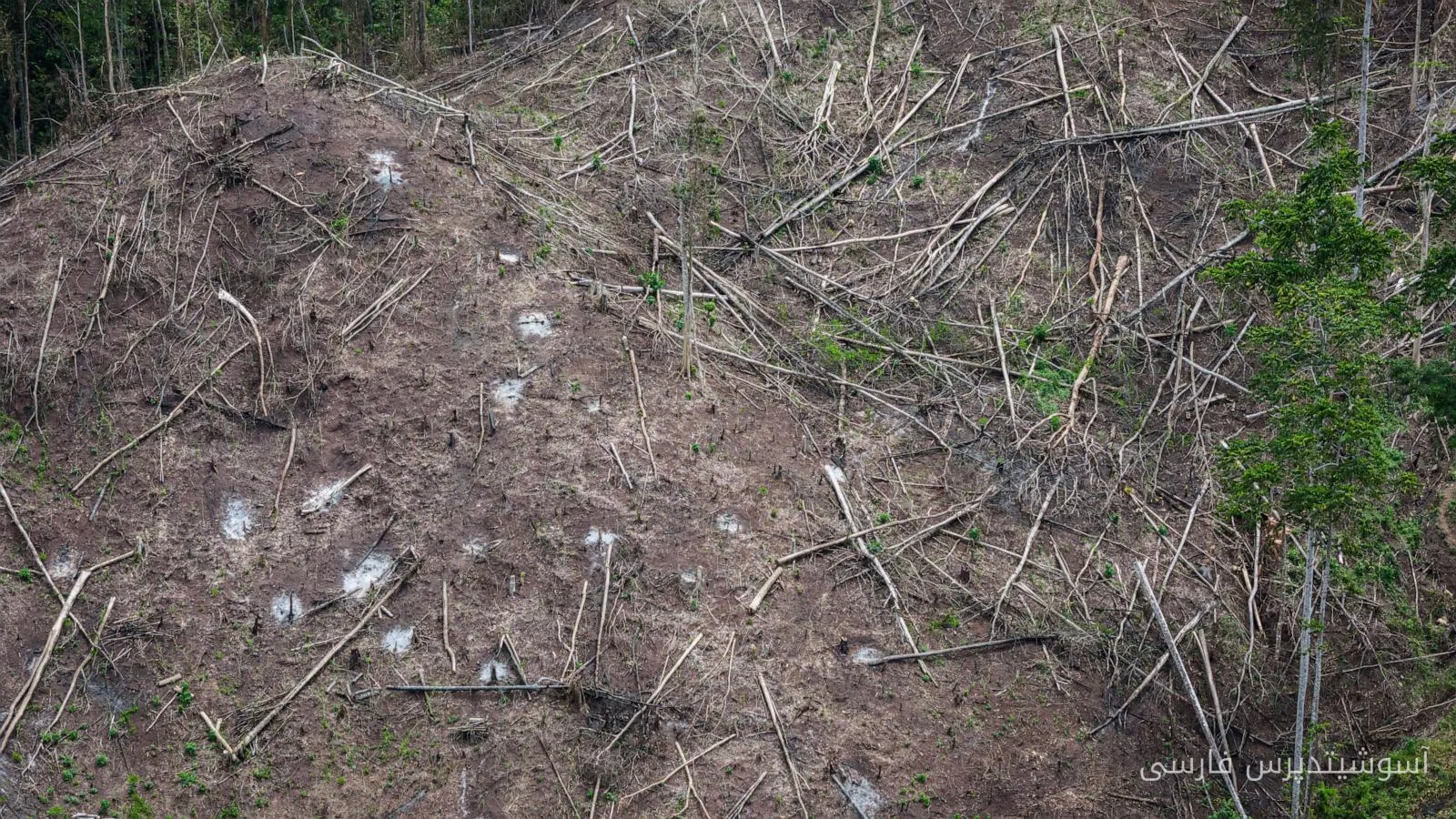
The increase in biomass energy production in Japan, particularly through the wood pellet and wood chip industry, has become a serious threat to Indonesia's forests. These activities lead to more extensive deforestation, impacting key ecological areas and indigenous lands in this archipelago.
Satellite Analyses and Forest Status
Recent analyses using satellite data indicate that the trend of increasing wood production in Indonesia is rapidly expanding. This production not only harms tropical forests but also affects key ecological areas and indigenous lands. This has raised concerns among environmental activists and non-governmental organizations seeking to preserve the biodiversity and forests of this country.
Read more: Two arrested for a mountain of illegal waste in Oxfordshire
Economic and Environmental Consequences
Economically, the wood production industry in Indonesia is rapidly growing to meet global market demands, particularly in industrial countries like Japan. However, this economic growth comes at the cost of environmental degradation and loss of biodiversity. Environmental activists believe that this trend must be halted and sustainable solutions for energy needs must be found.
Currently, Indonesia is one of the largest exporters of wood and wood products in the world, leading to increased pressure on forests and natural resources. Deforestation also contributes to climate change and increased carbon in the atmosphere, which has serious implications for the health of the planet.
Sustainable development and the protection of natural resources in Indonesia require the collaboration of all stakeholders, including the government, the private sector, and local communities. The need to shift towards renewable resource use and minimize negative environmental impacts is felt more than ever.
Read more: Dangerous Research: How Researchers Drive Towards Tornado Storms? · Honey Spots: Luke Jerram's Art Installation by the Thames Gives Life to Insects
Source: abcnews.com