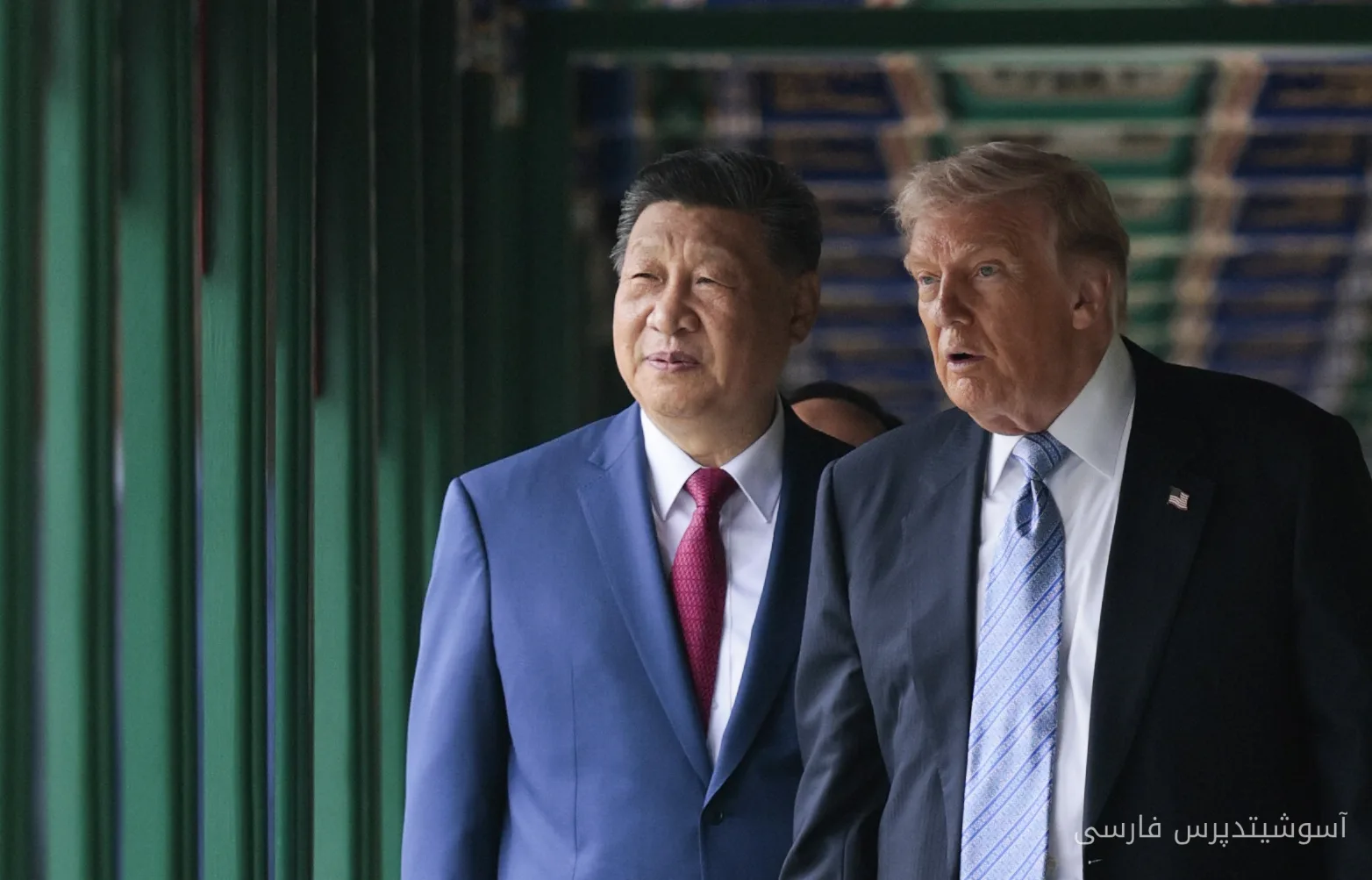
Canadian Prime Minister Mark Carney will speak at the European Parliament on Thursday. This speech comes after U.S. President Donald Trump suggested that allowing Canada to become an associate member of the European Union could be a "hostile act." Trump's threat to impose additional tariffs on Europe has increased tensions in this regard.
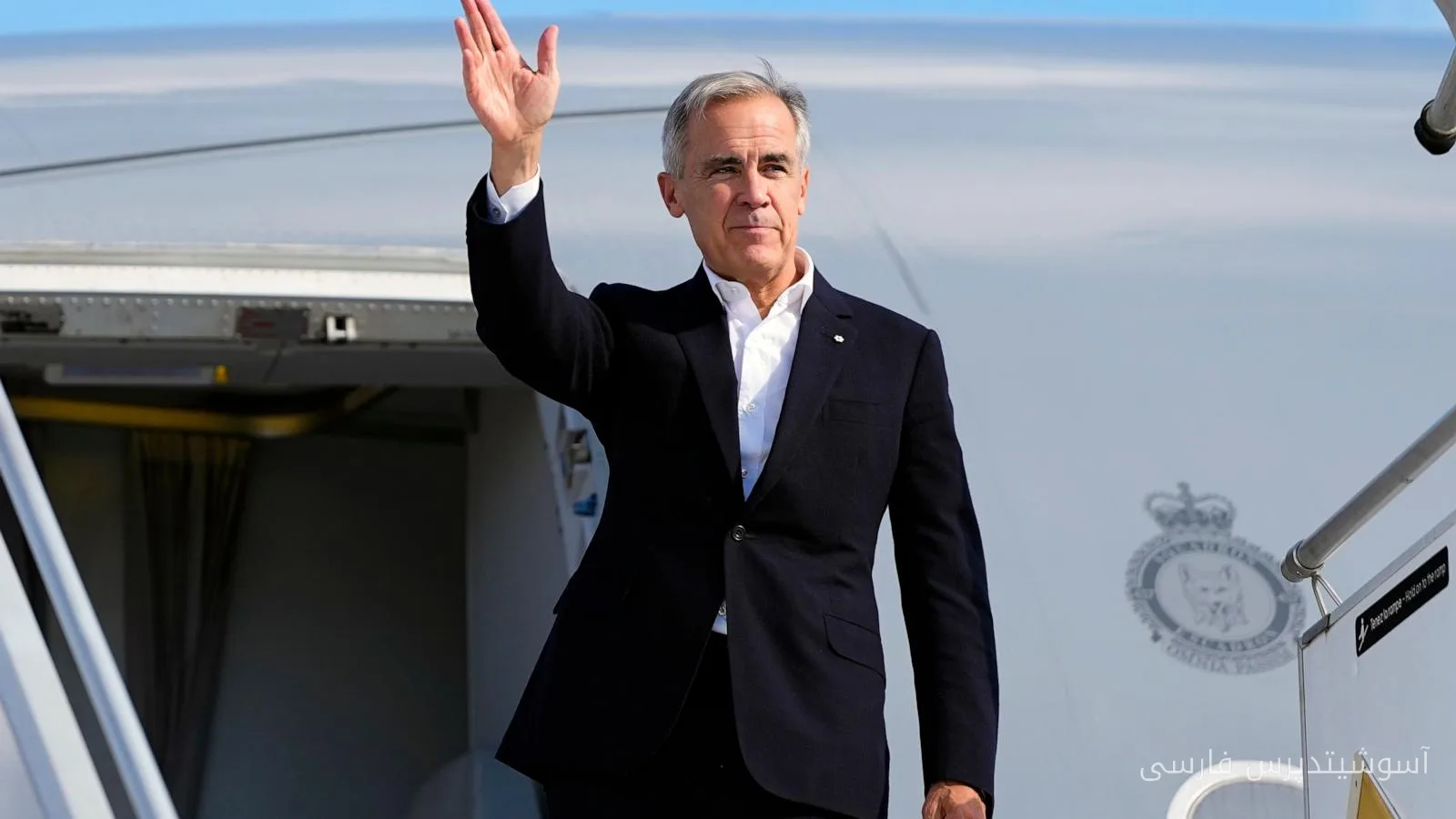
Proposal for Closer Cooperation
Trump's remarks have heightened the importance of Carney's speech. Carney may offer warnings similar to those he raised at the Davos summit in January. At that time, he pointed out that major powers like the United States could use countries' economic dependence to pressure them.
Read more: U.S. Soldiers Reveal Damage to Military Equipment
European Commission President Ursula von der Leyen proposed on Wednesday that Canada be introduced as the first associate member of the European Union. This proposal comes as Trump's threats have brought Ottawa closer to Europe. Carney, who is seated in the front row of the European Parliament chamber, expressed affection for von der Leyen, and parliament members encouraged her proposal.
A New Path for Canada and Europe
Von der Leyen also stated that Canada and the European Union should move beyond the existing free trade agreement and create an "alliance for the future" that includes a "shared space for economic welfare and security." Carney is set to host the Canada-EU summit in Montreal on October 29 and 30, where both sides expect to discuss the proposed new relationship further.
Canada sends approximately 70 percent of its exports to the United States, making it highly vulnerable to Trump's tariffs. Ottawa has responded to the threats and rejected demands that, according to Carney, threaten Canada's sovereignty. In contrast, Europe has taken a different approach, refraining from imposing retaliatory tariffs and accepting maximum tariffs of 15 percent on most EU exports to the United States.
Carney has repeatedly urged middle powers to resist this type of economic coercion. He warned at the World Economic Forum in Davos in January that when countries negotiate alone with a dominant power, "we negotiate from a position of weakness. We accept what is offered." Trump criticized him the next day, and Thursday's speech may further damage relations between the two countries.
Jonathan Wilkinson, Canada's appointed ambassador to the European Union, said on Wednesday that Canada is not seeking full membership in the European Union, as this would require ceding some sovereignty. Instead, Ottawa wants to get as close as possible to Europe while enhancing its independence.
Currently, details about what associate membership would mean still need to be negotiated. The two sides have also discussed closer cooperation in energy, critical minerals, artificial intelligence, and digital trade.
Daniel Bland, a political science professor at McGill University in Montreal, said, "Trump's policies and tone clearly push Canada and the EU towards envisioning a world without strong U.S. leadership and acting on that."
Nelson Wiseman, an emeritus professor at the University of Toronto, added that Carney's handling of Trump has increased Europe's interest in this Canadian leader. Wiseman said, "Carney's cleverness in dealing with Trump has drawn Europe's attention."
Bland also noted that Carney may avoid mentioning Trump in his speech on Thursday while clearly stating the main thrust of his argument.
Read more: U.S. Forces Must Prepare for Space Battle · Starship Troopers Director Confirms Nazi-like Influences in Uniforms
Source: abcnews.com