The President of the European Commission, Ursula von der Leyen, on Wednesday proposed a ban on access to social media and online games for children under 13 across the 27 countries of the Union. This initiative adds to global efforts to protect young users of platforms like Instagram and TikTok from online harms.

Details of the Proposed Plan
Von der Leyen stated in her annual speech on the state of the European Union in Strasbourg: "Many people see the power of big tech companies as uncontrollable and irreversible. I disagree with this view." She emphasized that "we should not accept addictive features" and added that "we must not allow children to be drawn into extremist content."
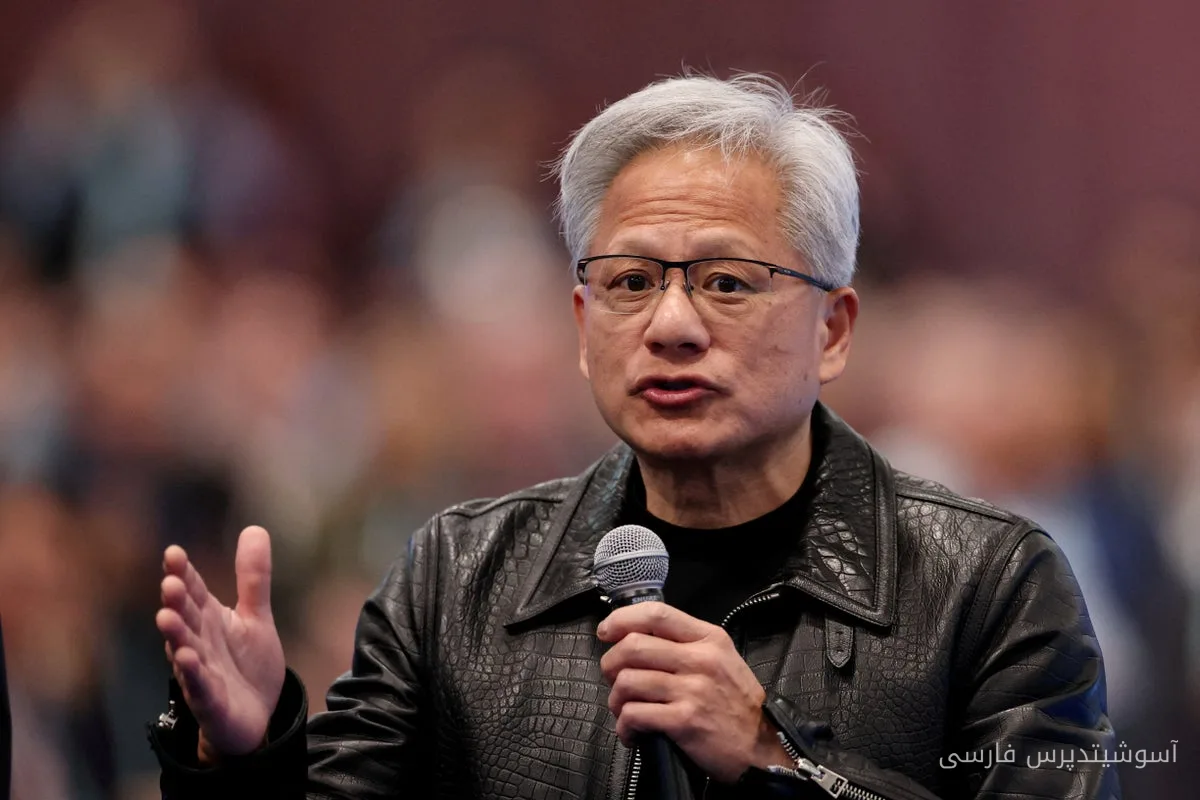
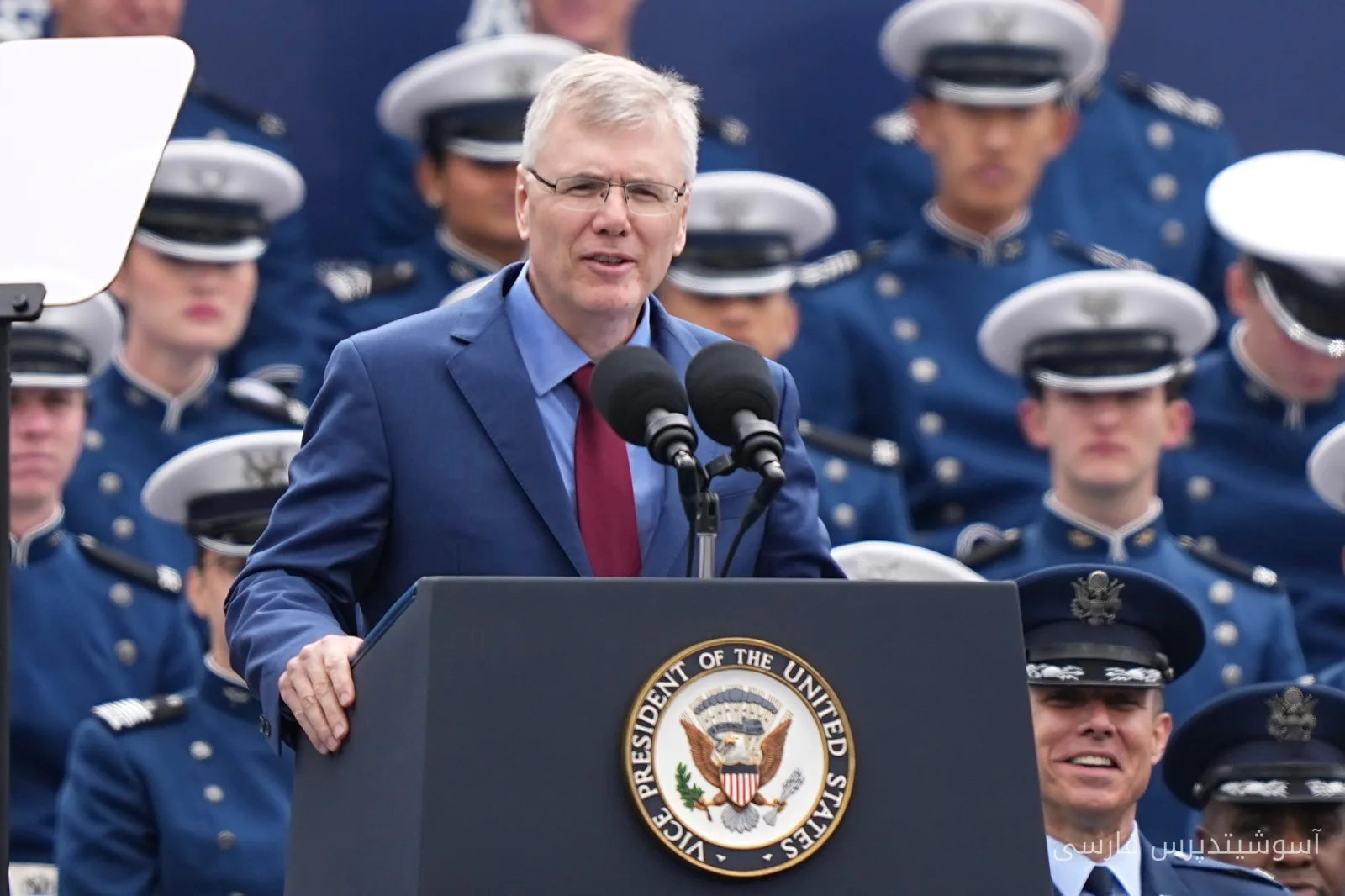
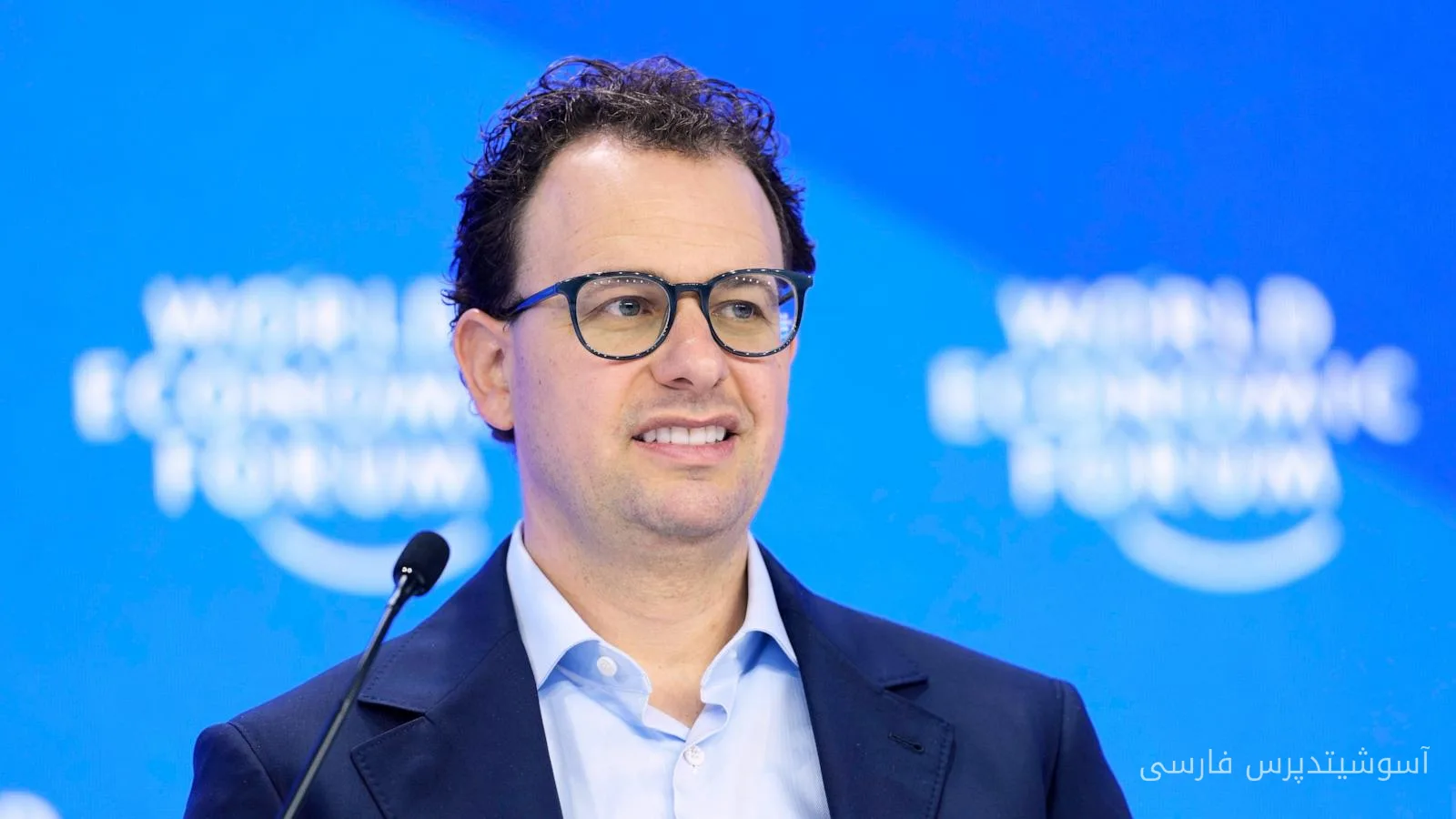
Read more: Key leaders issued a warning about the development of artificial intelligence
Von der Leyen also noted that if this plan is approved, "mini accounts" will be given to children aged 13 to 15 under the supervision of guardians, with restrictions on capabilities and access time. For teenagers aged 15 to 18, platforms must provide a secure design. More details of this plan are set to be released on Thursday.
Challenges and Implications
Von der Leyen's proposal must be discussed and voted on by EU member states, a process that may take years and could create tensions with U.S. President Donald Trump, who has long criticized European tech regulations.
Brando Benifei, an Italian member of the European Parliament, supported the plan, stating that Brussels should not shy away from confronting big U.S. tech companies. He noted: "To implement this plan, we must directly confront the interests of platforms and big tech companies that are unhappy with this issue."
Von der Leyen had previously stated earlier this year that children should be introduced to social media in a "gradual and phased" manner. Platforms like Facebook, Instagram, and TikTok currently prevent account creation for individuals under 13, but officials have accused these companies of failing to enforce these restrictions.
However, some experts believe that the Commission has failed to address the fundamental issues of the social media industry, which is built on habituating users to addictive content and displaying advertisements. Simeon de Brouwer, a policy advisor at the digital rights group EDRi, said: "This plan merely delays young people's exposure to online dangers and does not address the business model and exploitative practices that cause it."
This proposal is part of a broader global effort to protect young people online and represents the first move to introduce widespread age restrictions in the European Union for social media. European countries like Spain and Portugal have taken steps to prohibit teenagers from social media.
Some of these efforts have faced obstacles. The French Supreme Court last month annulled a law that addressed the prohibition of children under 15 from social media, stating that the law infringed on fundamental freedoms. Emmanuel Macron, the President of France, promised to review this proposal.
In the United States, social media company Meta Platforms agreed last month to pay up to $18 billion and strengthen child safety measures on Facebook and Instagram to respond to a lawsuit regarding teenage social media addiction and settle claims raised by nearly all states.
Manfred Weber, the head of the largest parliamentary group in the European Parliament, suggested after von der Leyen that the European Union should follow Australia's lead and allow citizens to deactivate social media algorithms. He said: "Elon Musk will not be happy about this, but that is probably a reason to do it."
Von der Leyen also referred to the increasing discussions about artificial intelligence and its potential risks to humanity, stating that the Commission is examining efforts to slow down the development of advanced artificial intelligence with leading companies in the field. She added that the European Union will collaborate with "like-minded partners" such as Canada and the UK. "We want to cooperate in areas such as model assessment, validation, early warnings, AI security, and more."
Read more: Trump supported Flock cameras · Israel's new diplomacy: opening an embassy in Slovenia
Source: abcnews.com