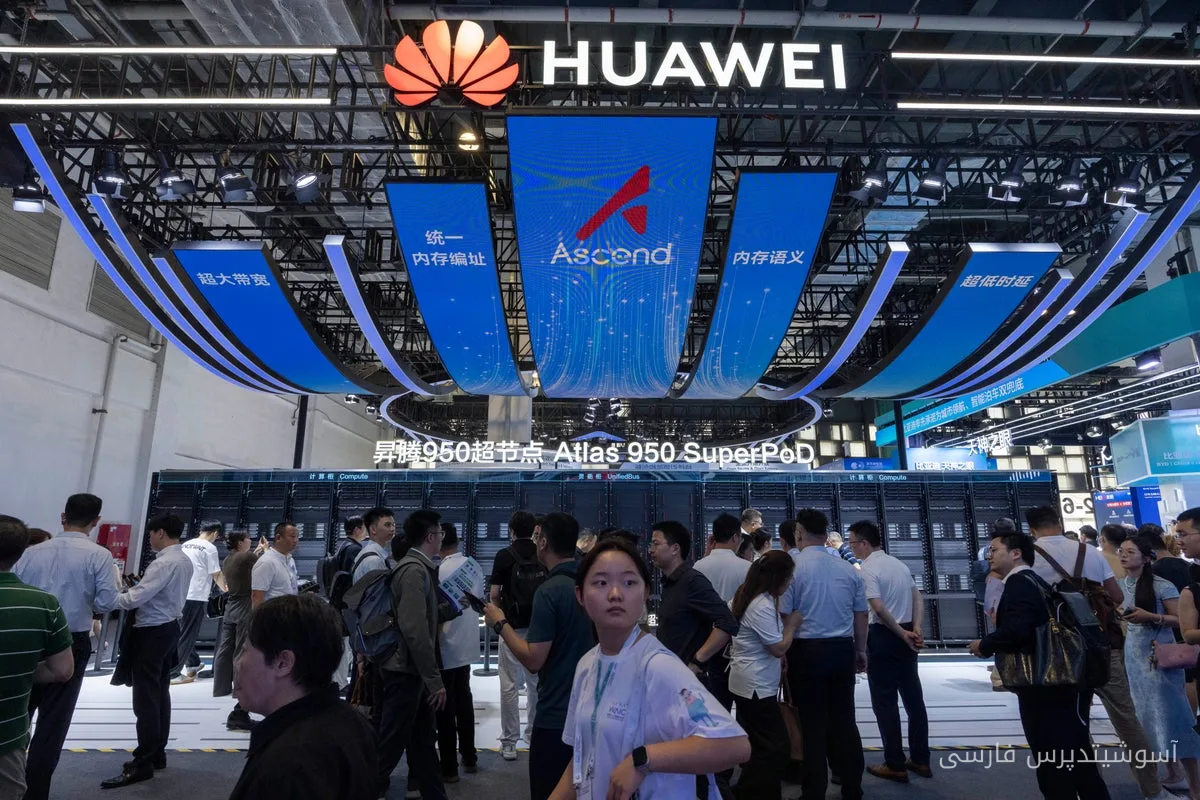
Huawei, the Chinese tech giant, introduced its new chip technologies in a challenge to global leaders like Nvidia, which reduces the gap between China and the United States in the field of artificial intelligence.
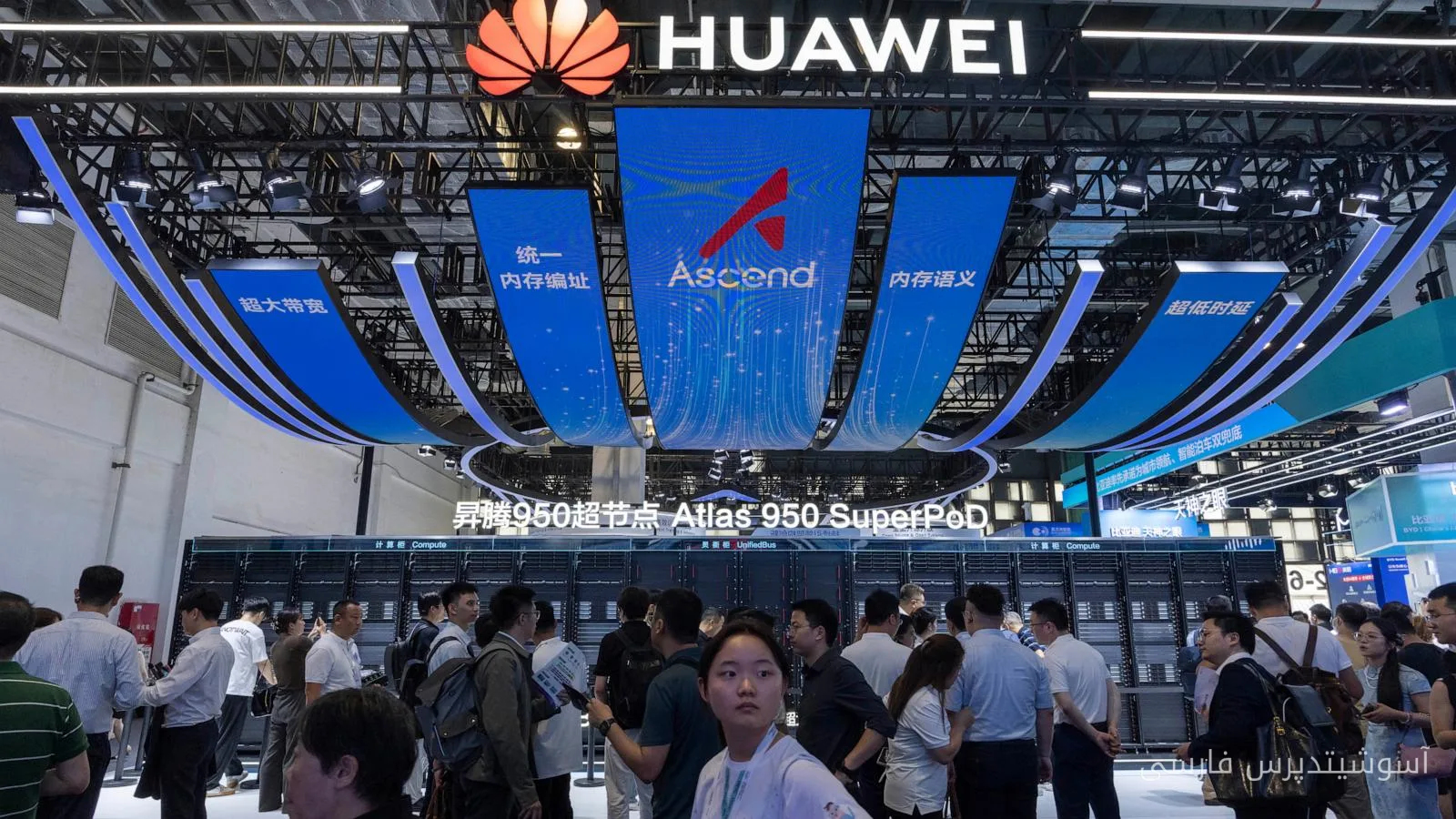
Introduction of the Atlas 960 SuperPoD Computing Cluster
This announcement was made at Huawei's annual conference in Shanghai on Thursday, just days before the anticipated meeting between U.S. President Donald Trump and Chinese President Xi Jinping in Washington on September 24.
Read more: China Responded to CEO Anthropic's Request for AI Development Restrictions
China is rapidly pursuing technological self-sufficiency, including in the field of chips. The restrictions imposed by the United States have blocked this country’s access to some of the most advanced AI chips and chip manufacturing machinery.
Huawei's Future Plans
At this event, Huawei introduced the Atlas 960 SuperPoD computing cluster, which is a faster successor to the Atlas 950 SuperPod, which was introduced just a few months ago. This new model offers improvements in AI training and "inference," which refers to the process of prediction or decision-making by a trained AI.
Huawei also plans to release the Ascend 970 and 980 chip series in 2028 and 2029, with significant improvements in the computing power of these chips expected.
This timing — less than two weeks before President Xi Jinping's trip to Washington — reflects Beijing's confidence and ambition in technology and innovation.
Huawei's announcement came as Trump emphasized the need to maintain the United States' superiority over China in the field of artificial intelligence, stating, "Whoever wins in AI will win."
Analysts say that advanced technologies in China, such as training AI models, are still significantly dependent on chips produced in the United States, including Nvidia chips. However, Huawei has produced its advanced chips and is ahead of Chinese chip developers.
The Atlas 960 SuperPoD computing cluster has attracted the attention of some technology analysts, given that it is being launched quickly after the introduction of the Atlas 950 SuperPod.
This advancement in just one year, much faster than before, only increases the United States' concerns about the growing competition in the field of artificial intelligence.
Read more: Stanton and Bannon Called for Strict Regulations on Artificial Intelligence · Mark Zuckerberg Distanced Himself from the Call for Coordinated Reduction of AI Development
Source: abcnews.com