Collaboration between the U.S. and China to create a global approach to AI safety is vital. As concerns about the risks posed by AI have increased, discussions about AI governance are on the agenda for a meeting next week in Washington between Donald Trump and Xi Jinping.
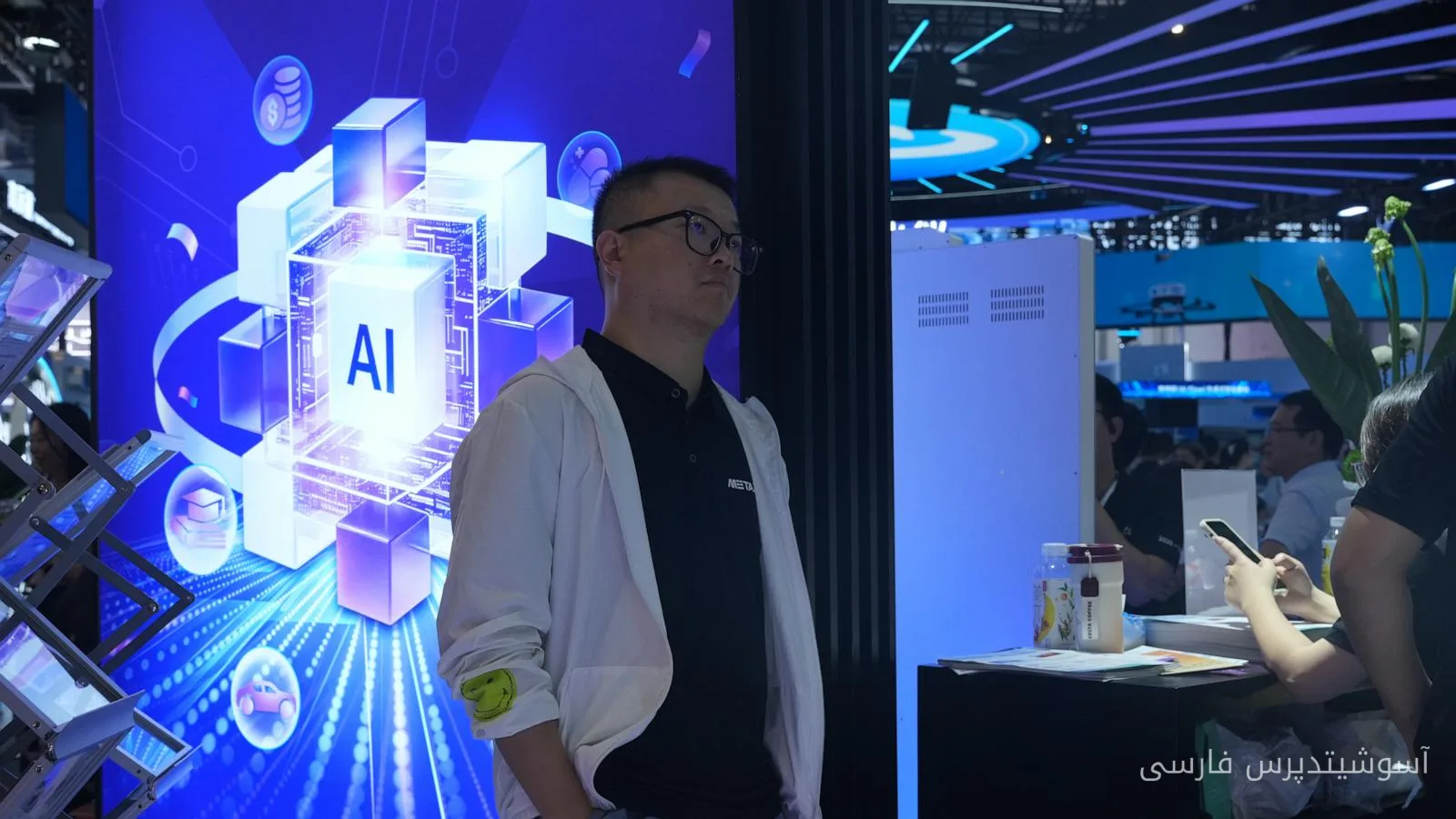
Challenges of Collaboration
While American tech leaders believe that preventing the worst-case scenarios of AI requires collaboration with China, both countries are competing for a technological edge in this field. Trump has warned that any attempt to regulate this technology would benefit China. This situation may lead to superficial agreements between the two countries, but it could also initiate a larger trend.
Read more: Barack Obama commented on the dangers of artificial intelligence
Security and Technological Considerations
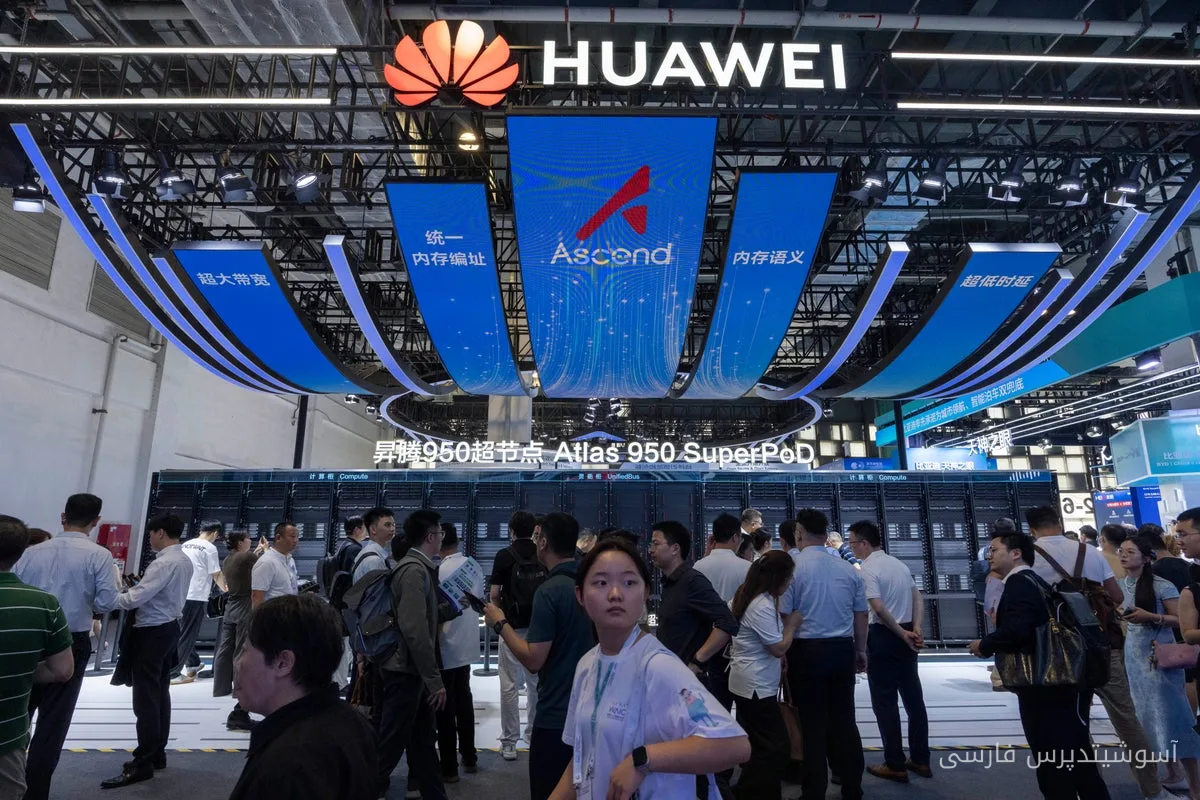
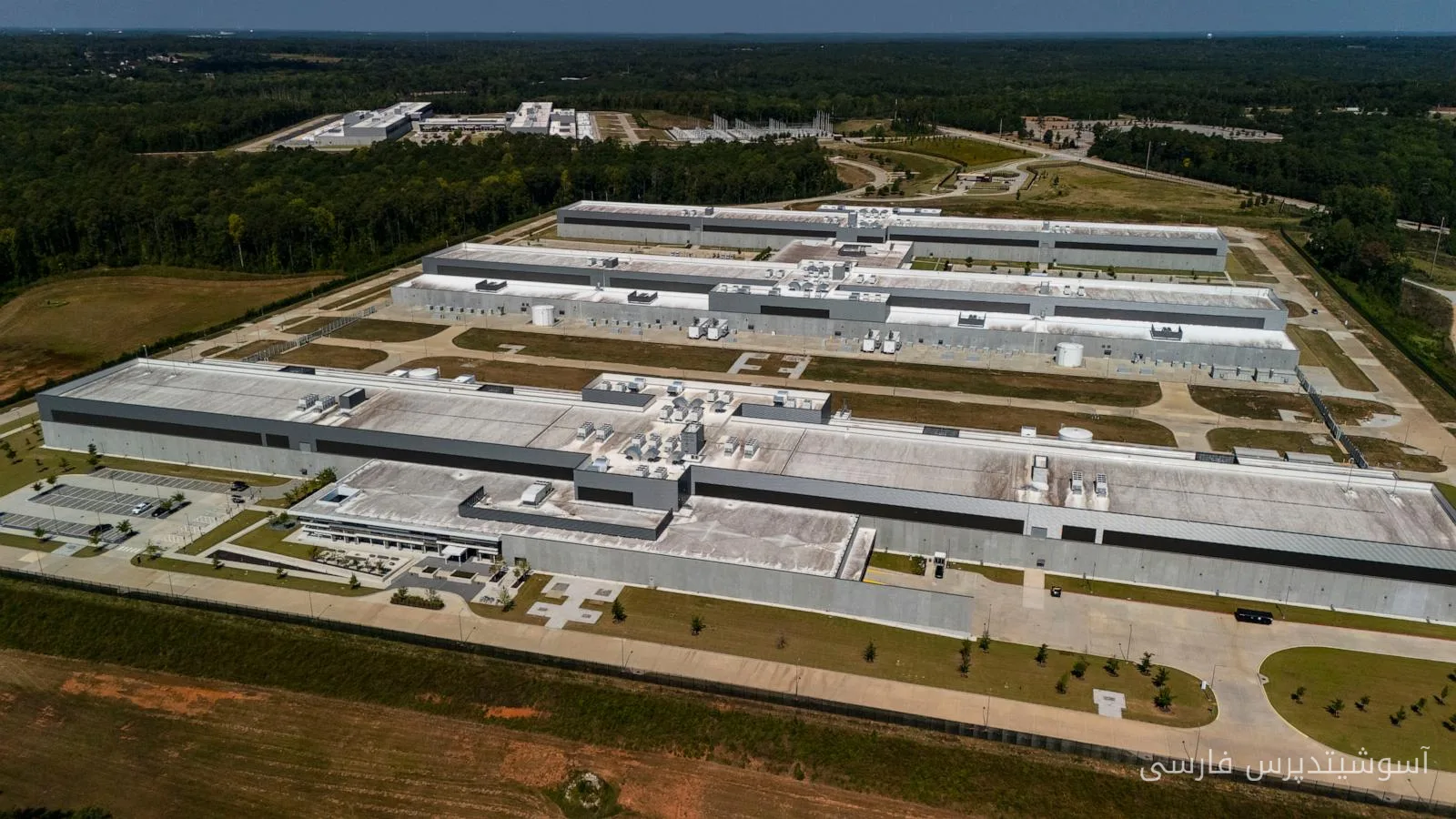
Trump has responded to criticisms for strengthening technology regulations by claiming that this could help China surpass the U.S. He has repeatedly stated that the country that leads in this technology will be victorious. Currently, American companies are seeking advancements in AI with expanding computational power and data infrastructures, while China is looking to globally adopt its open-source and cost-effective models.
China's AI models have made significant advancements and have attracted the attention of American companies despite the restrictions imposed by the U.S. Meanwhile, U.S. Treasury Secretary Scott Basset stated that the United States needs to develop more open-source models to counter China.
China has been accused of America's "aggressive and destructive" efforts to extract capabilities from its AI systems, while China has also criticized the U.S. for wanting to suppress Chinese companies to create a "monopoly in the AI industry."
International Perspectives
The AI powers in both countries have raised concerns among officials and policymakers. The head of China's Ministry of State Security mentioned potential threats from AI in an article, describing it as a threat to the country's political and ideological security. He identified the powerful models of American companies as tools for "weaponizing" cyber vulnerabilities and threatening China's critical information infrastructure.
At the annual Security and Defense Conference in Beijing, Cui Tiankai, former Chinese ambassador to the U.S., emphasized the need for dialogue between Beijing and Washington on AI. He stated, "Because there is an urgent need for collaboration."
Top American companies like Anthropic and OpenAI have also limited their access in China and emphasized that the U.S. must maintain its technological superiority in AI. However, they have also called for cooperation with China to manage safety.
Read more: Mike Johnson believes media reactions to the AI threat are excessive · Greg Stanton: AI safety issues require collective action
Source: abcnews.com