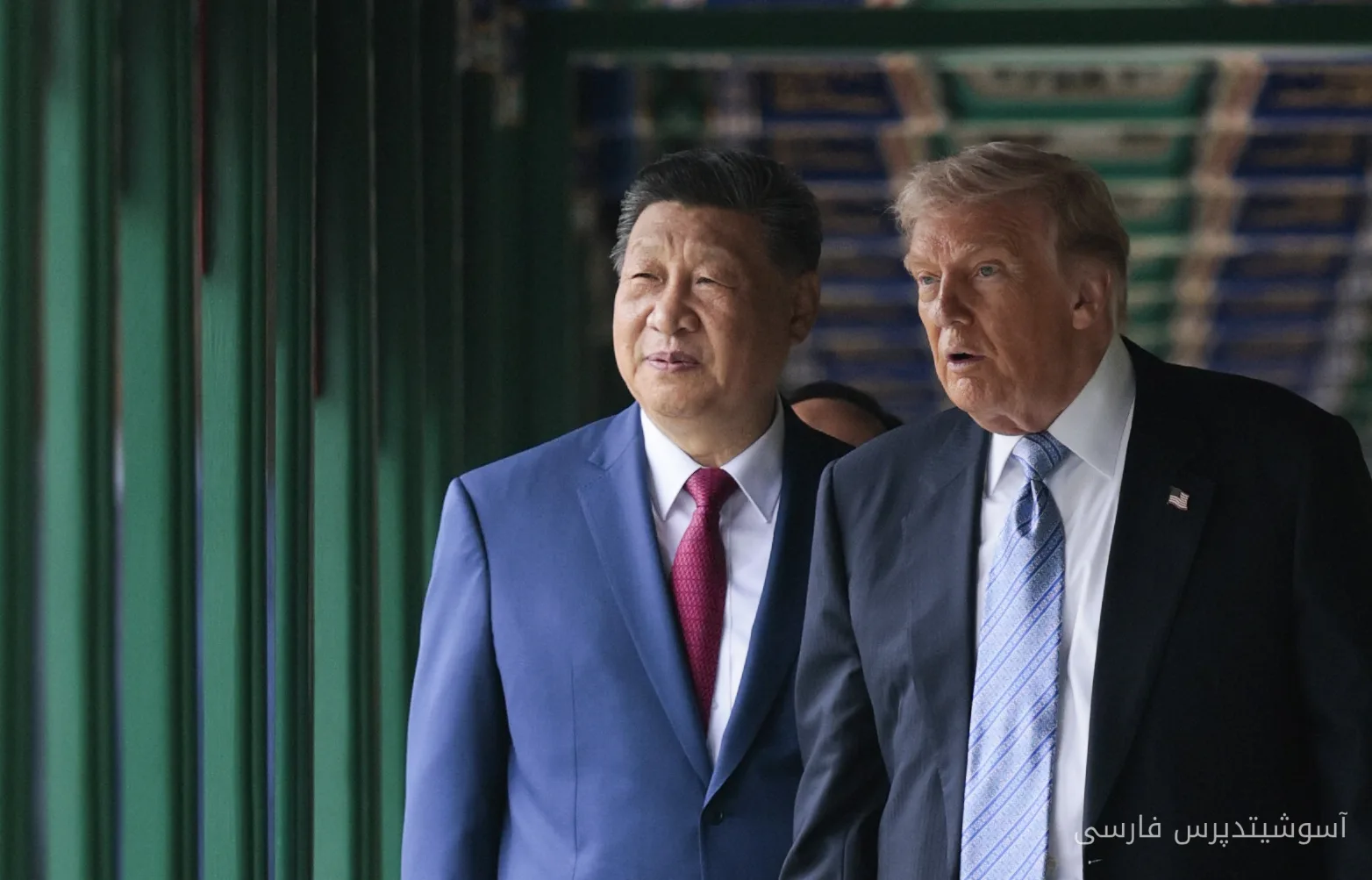
The United States government hinted at direct negotiations with Iran, and Donald Trump told reporters that the United States is "likely nearing the end of the war" with Iran. He also claimed to have spoken "directly" with Tehran.
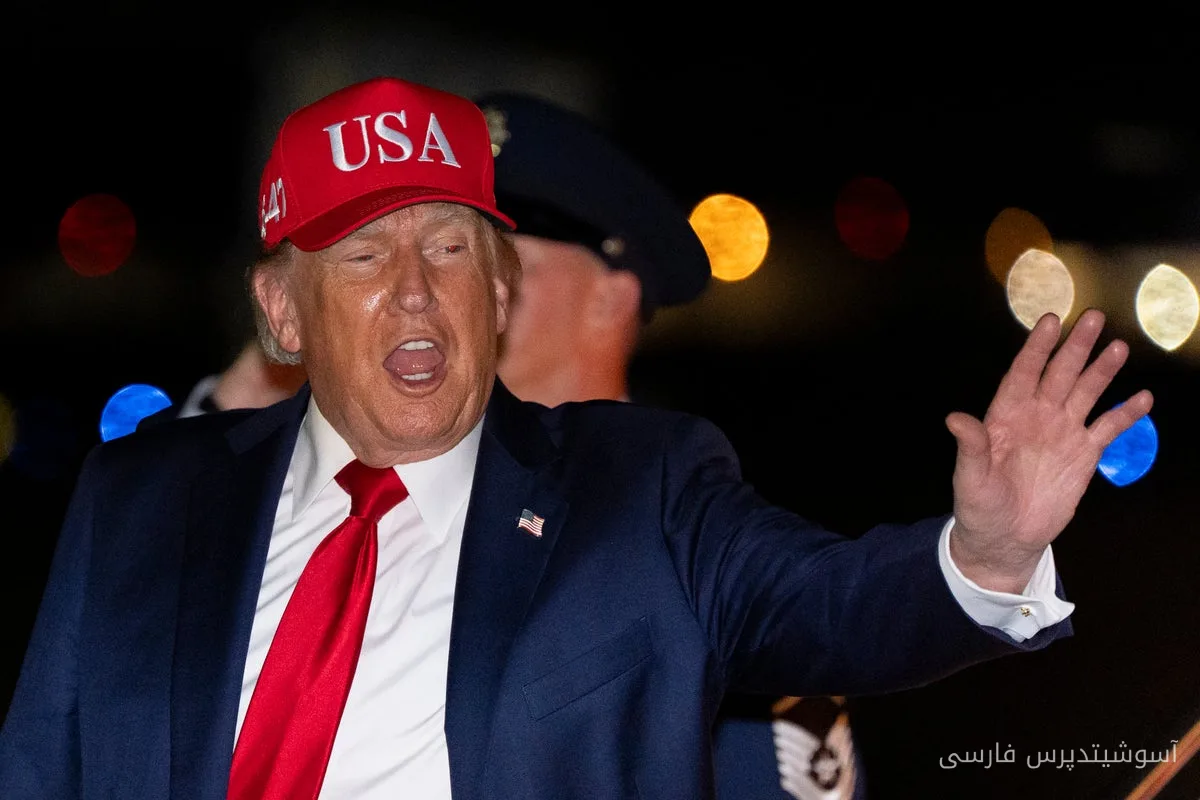
Trump's Claim about Iran's Willingness to Negotiate
Trump reiterated his claims, stating that Tehran is trying to reach an agreement, while Iranian officials announced just a few hours earlier that peace negotiations would not resume until all their conditions are met.
Read more: Parties Linked to Militant Group Lead in Muslim-majority Philippines Election
Iran's Response to the War Situation
Brigadier General Abolfazl Shekarchi, the senior spokesman for Iran's armed forces, told Iranian media: "The people disrupted the enemy's calculations with 200 nights of resistance, and the armed forces will defend Iran to the last drop of blood." These remarks reflect Iran's determination to confront external pressures and threats.
Oil prices rose to $108 per barrel due to disruptions in the Strait of Hormuz and the escalating crisis between Saudi Arabia and Iranian-backed Houthi militants. Iran's foreign minister has asked his Chinese counterpart to reopen the Strait of Hormuz and return to the temporary peace agreement signed with the United States in June.
The U.S. House of Representatives has passed a bill named after the late Senator Lindsey Graham. This bill, passed by a vote of 262 to 159, addresses extensive sanctions and tariffs aimed at increasing economic pressure on Iran and Russia. The "Lindsey O. Graham Sanctions on Russia and Iran" bill, introduced by Graham himself, was approved in the Senate last month by a vote of 86 to 11.
New Developments in the Strait of Hormuz
Oil prices fell in early trading on Thursday following reports that Saudi Arabia is providing additional oil shipments through Oman. This news eased concerns about potential supply disruptions in the Middle East.
South Korean Foreign Minister Choi Hyun said that no decision has been made regarding any military deployment in the Strait of Hormuz. He spoke to reporters before traveling to Washington for talks with U.S. Secretary of State Marco Rubio.
Despite the ongoing blockade of Iranian maritime trade and Iran's military attacks on commercial vessels, U.S. military forces announced that their troops have kept the Strait of Hormuz open for commercial shipping.
United Nations Secretary-General Antonio Guterres has called for de-escalation and a return to diplomacy amid rising tensions in the Middle East. He stated, "At this critical moment in the Middle East, de-escalation must be a priority."
Read more: South Sudan President Dismisses Election Commission Head · U.S. House Votes for the Third Time to End War in Iran
Source: independent.co.uk