Fiji has declared HIV a national crisis, and this decision was made following a 27% increase in new diagnoses last year. Concerns are rising due to the spread of this virus, which was initially concentrated among people who inject drugs.
Increase in New Cases
The Fijian government stated that in 2025, 2,016 people were diagnosed with HIV, and it is estimated that now one in every 60 adults in the country is infected with this virus. Additionally, last year, 59 infants were born with HIV, 18 of whom died before reaching one year of age.
Read more: Death of 18-Year-Old Cal State Fullerton Student After Fraternity Event
New Measures to Combat HIV
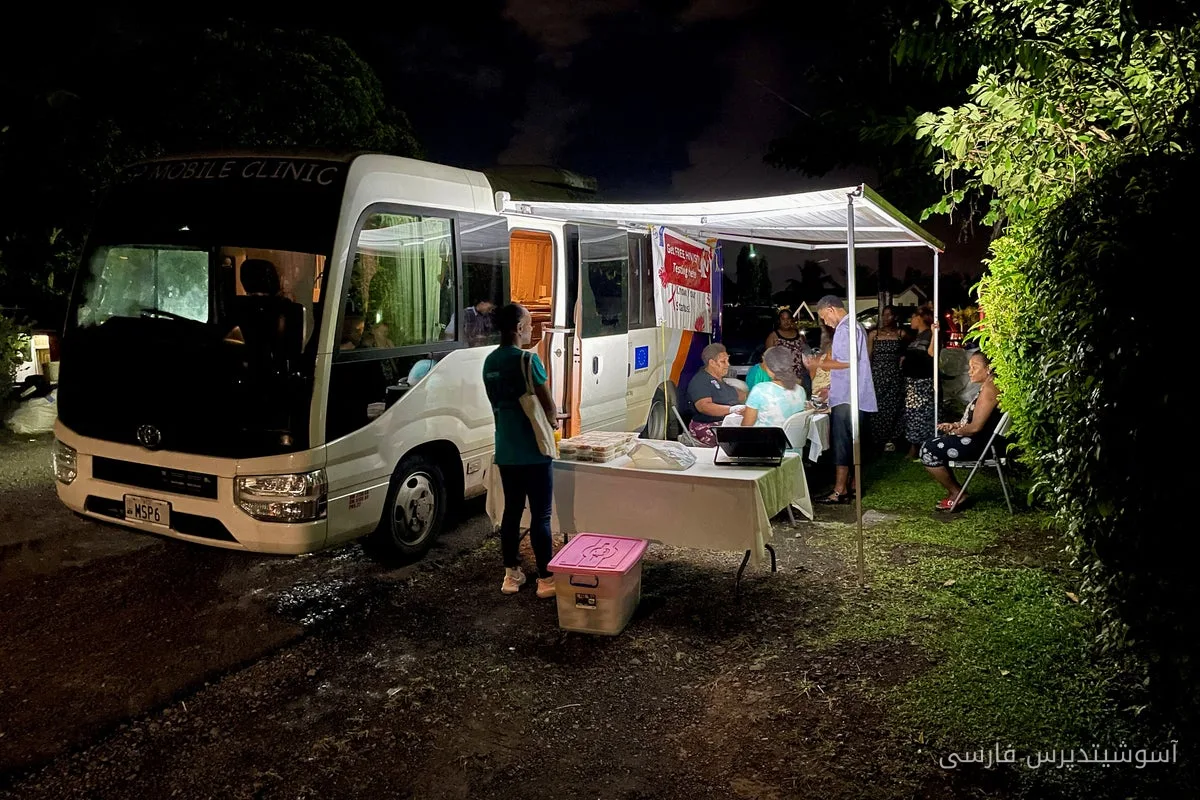
Officials announced that increased testing capabilities have uncovered previously unidentified cases and provided patients with access to early care. In response to this crisis, authorities plan to expand free, voluntary, and confidential testing, as well as increase preventive medications and harm reduction programs for people who inject drugs and medical treatment.
According to UNAIDS, Fiji, with a population of about 900,000, is facing one of the most severe global increases in new HIV cases. The agency estimated that last year, 9,100 people in Fiji were infected with the virus, but only 39% of them were aware of their status, and only 22% were receiving antiretroviral treatment.
UNAIDS stated that Fiji has recognized the urgency of this situation and has begun taking actions to address it. The agency also emphasized the importance of new programs such as needle and syringe programs and access to pre-exposure prophylaxis, which is used to reduce the risk of HIV infection.
The Fijian government has recently formed a committee of five ministers to eliminate barriers to action and emphasized that discrimination against anyone with HIV is illegal and that care is universally accessible. Despite the severity of the crisis, the rate of one in 60 adults in Fiji is still lower than in some regions of Africa, where nearly one in 35 adults are infected with the virus.
Read more: Legionella Bacteria Identified at Yankee Stadium · Deep Sleep or Bad Sleep? Secrets of Maximum Sleep!
Source: independent.co.uk