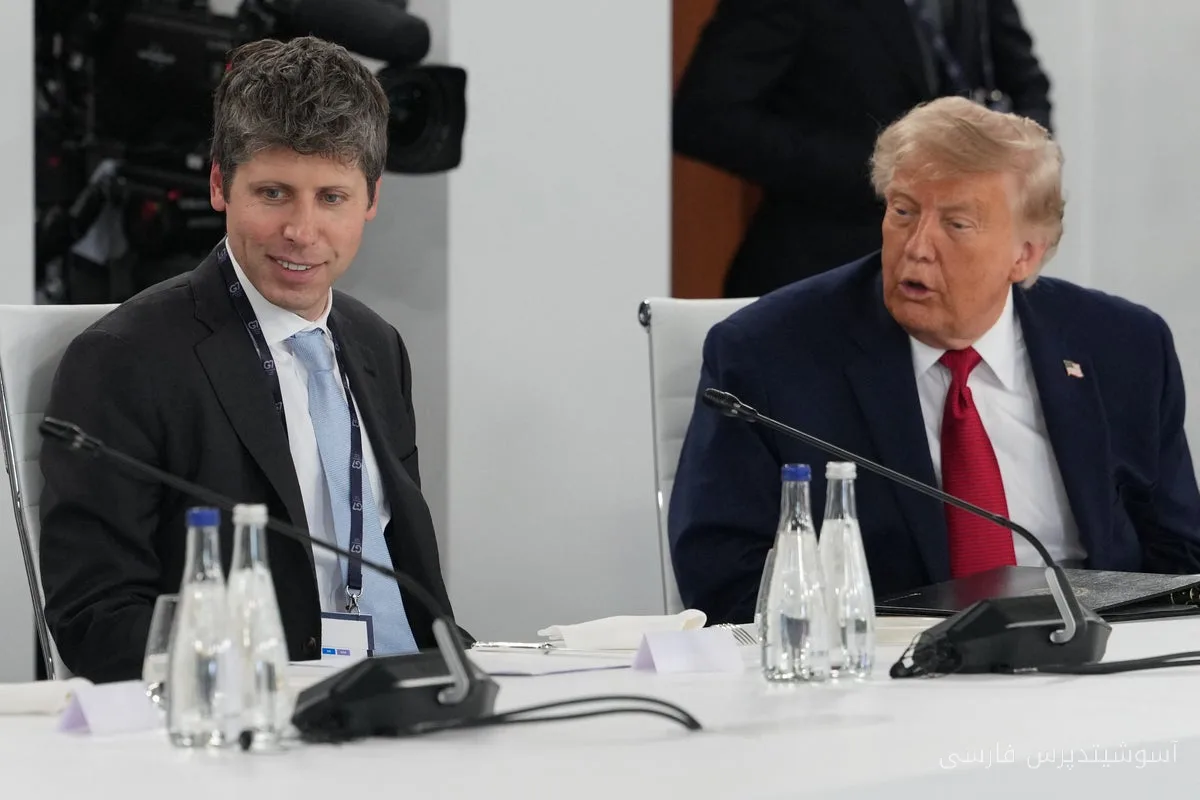
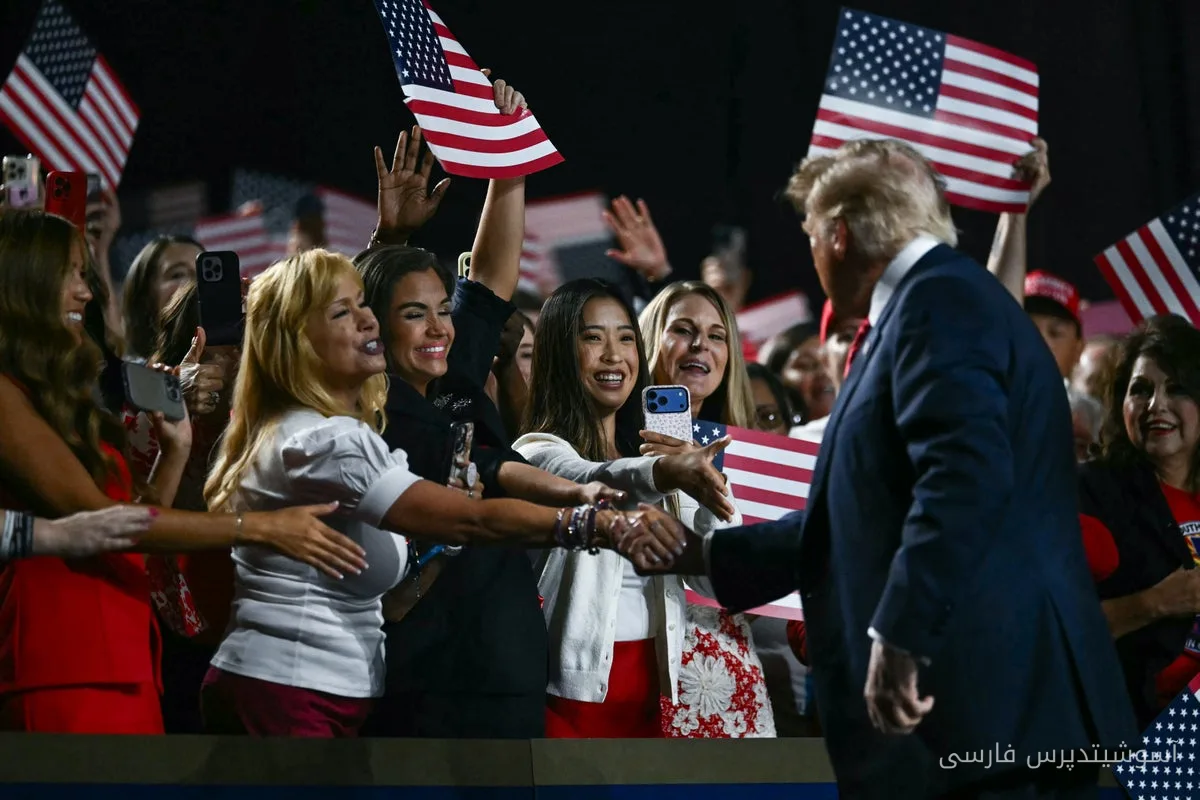
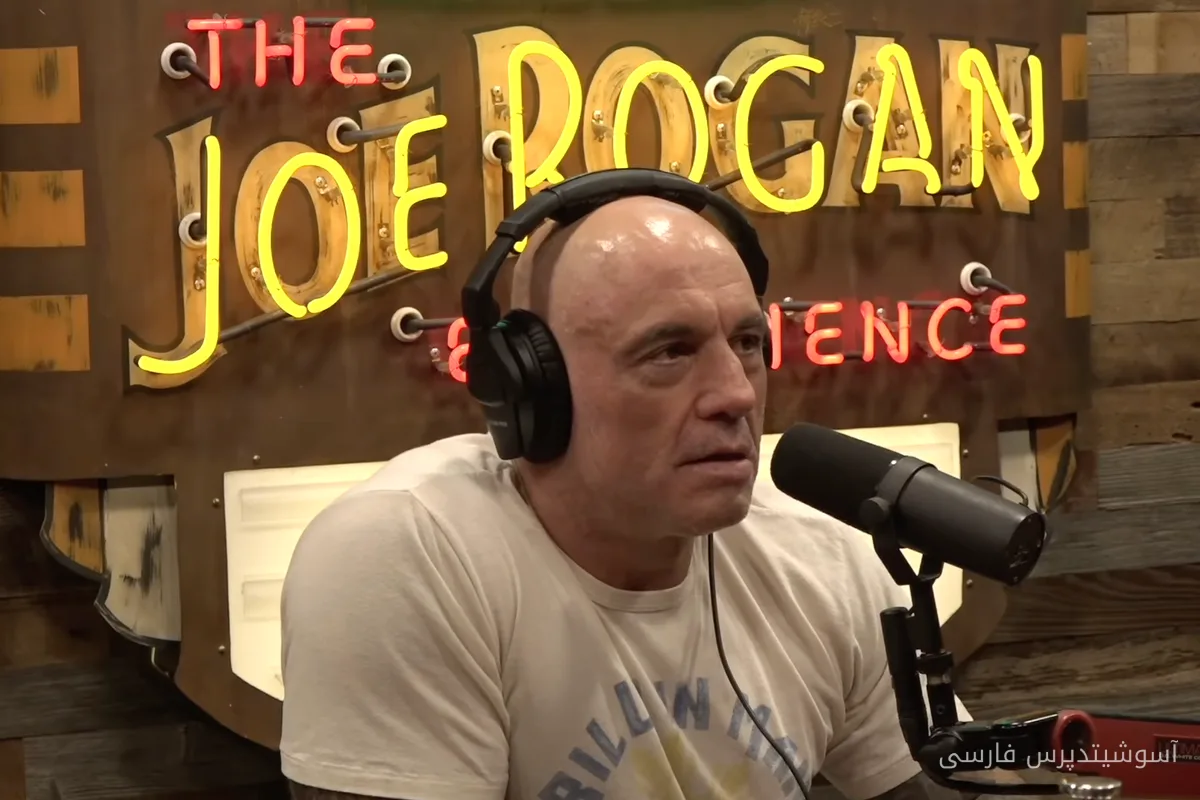
The United States Congress is trying to address artificial intelligence regulation, while facing serious warnings from industry leaders. However, many members of Congress will go on holiday until after the November elections, leaving insufficient time for discussion on this matter.
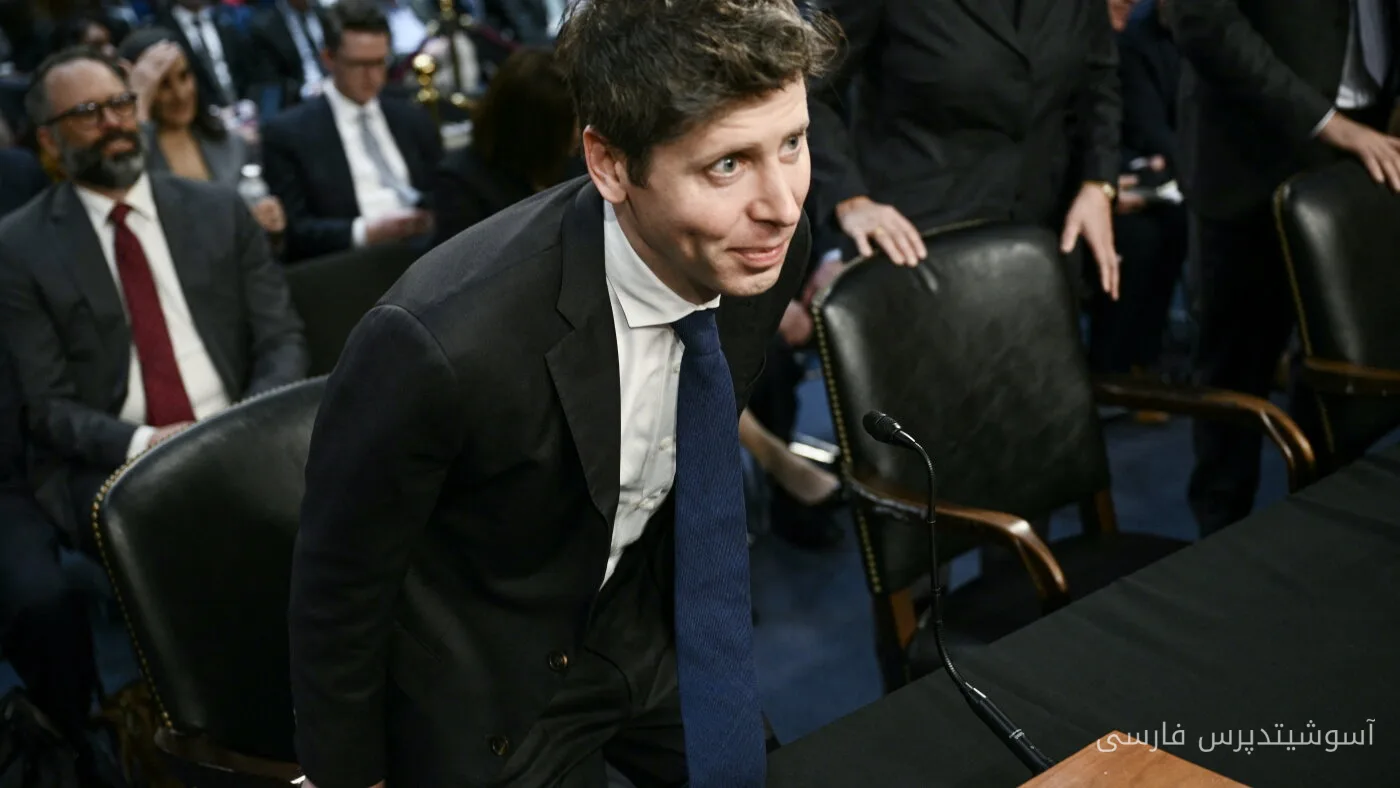
Differences of Opinion in Congress
House Speaker Mike Johnson said on Tuesday, "Artificial intelligence is a serious issue. We need to ensure that this technology is developed safely, but we must rely on common sense." He also called for self-regulation from leading artificial intelligence labs.
Read more: China Responded to CEO Anthropic's Request for AI Development Restrictions
Johnson continued, "They do not need a government mandate to slow down the development process. If they want to do this, they should do it, but we cannot suspend AI development. Otherwise, we will lose our edge over China, and this has serious implications for national security."
Call for Immediate Action
Democratic Minority Leader Hakeem Jeffries from New York has differing views. He emphasized the need for decisive congressional action in a timely manner, stating, "This requires immediate action from Congress to continuously align with the demands of AI leaders. This action must be taken to ensure the health, safety, and welfare of the American people."
This issue is widely divided among the two parties. Steve Bannon, a key advisor to the former president, and Senator Bernie Sanders called for more restrictions on this technology at a separate event in Washington.
OpenAI and Anthropic, two leading AI companies in the U.S., have differing opinions on the need for regulation. However, leaders from both companies have recently supported the existence of independent regulatory bodies to assess the development process.
Challenges Facing Congress
While efforts to regulate artificial intelligence are underway in Congress, there are differing opinions on the matter. Some Republicans have yet to agree on the appropriate approach, and Democrats seem likely to wait for control of Congress in January.
One of the main challenges lawmakers must decide is whether states are allowed to impose their own regulations or if federal laws will take precedence over state laws, as has been requested.
Congress is trying to establish a framework that allows states to impose stricter laws regarding safety and consumer protection. However, some Republican leaders, including Steve Scalise, are calling for broad restrictions on states' ability to regulate AI.
Proposals and Concerns
As Congress considers its approach, Adam Kovacevich from the technology policy group Chamber of Progress is concerned that a patchwork of state regulations could turn into an ambiguous national standard.
According to him, "We are seeing advancements in state laws regarding advanced technologies, but this is not the best way to regulate AI." He believes that AI should primarily be regulated at the federal level, but "little energy has been spent on writing these standards before this year's midterm elections."
Given the existing challenges, it seems that one common ground in Congress is support for child protection. Some proposals include banning AI systems from generating content that exploits children.
Read more: OpenAI Introduced a New Feature to Help Individuals in Crisis · Stanton and Bannon Called for Strict Regulations on Artificial Intelligence
Source: npr.org