A new interpretation of the Endangered Species Act states that the accidental killing of endangered animals during logging or dam construction will no longer be illegal. This change represents a significant shift in the enforcement of this environmental law under the management of the Donald Trump administration.
Changes in Guidelines
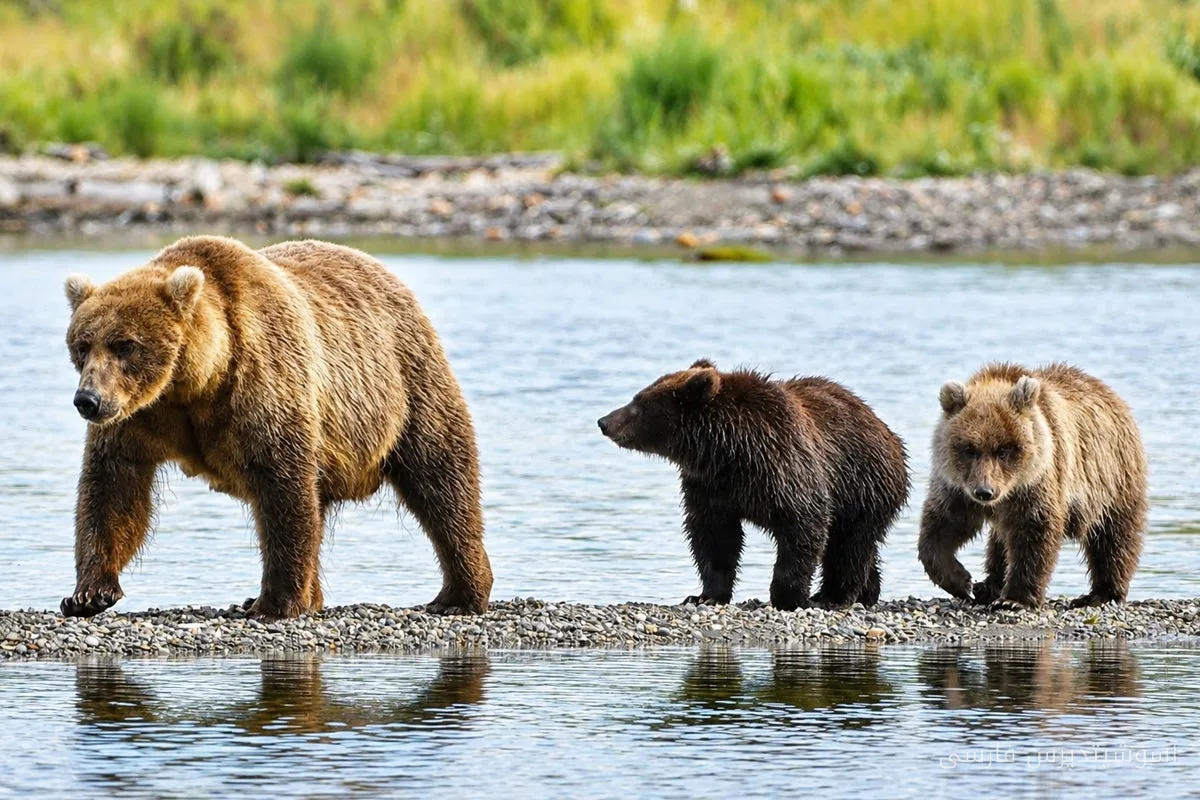
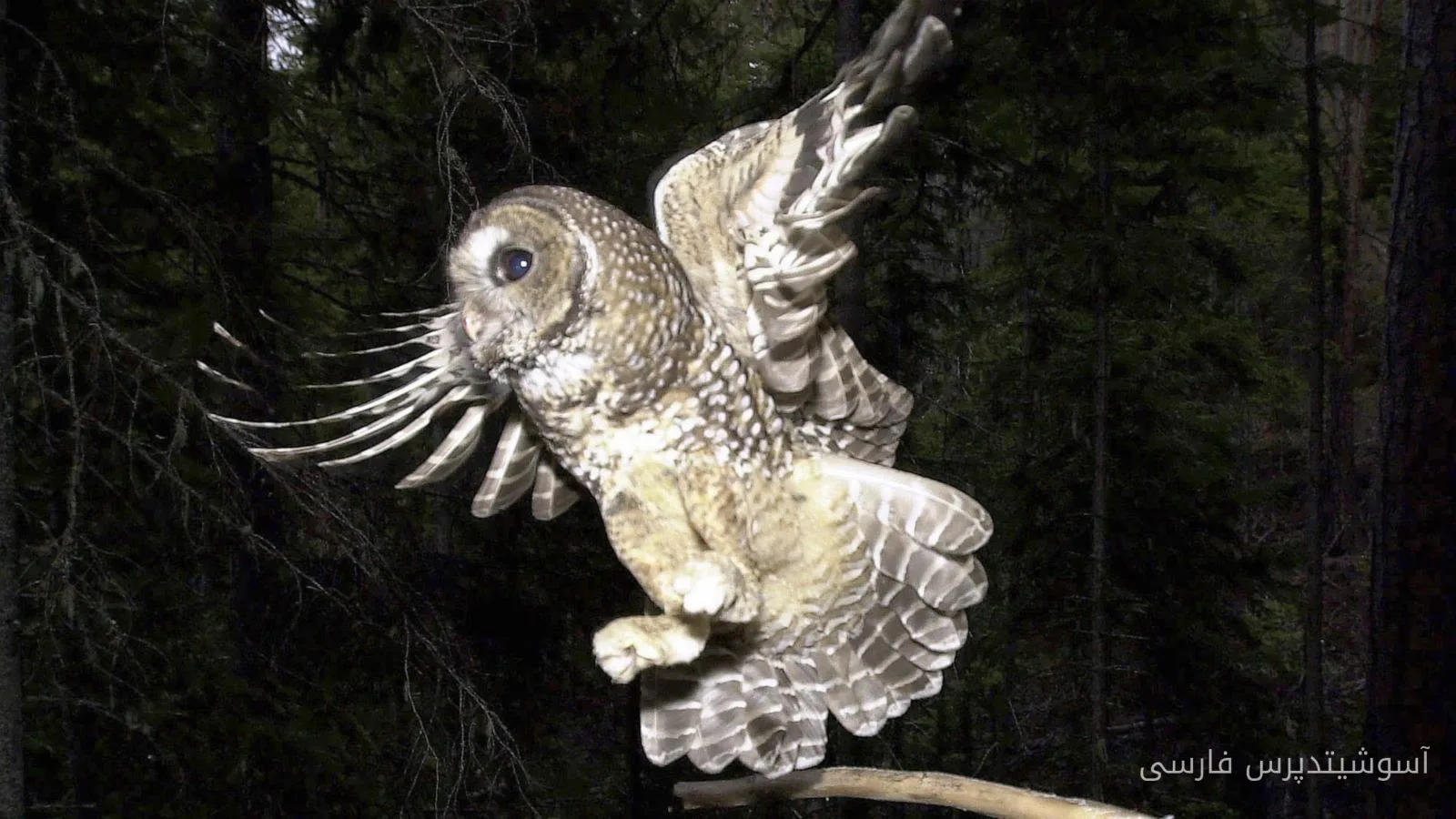
A guideline sent this week to employees of the U.S. Fish and Wildlife Service states that endangered animals or plants must be intentionally targeted for their killing to be considered illegal. This change sharply contrasts with past practices in this agency, which historically held individuals accountable even for unintended harm to protected species, including brown bears, manatees, and spotted owls.
Read more: Increase in biomass energy production in Japan threatens Indonesia's forests
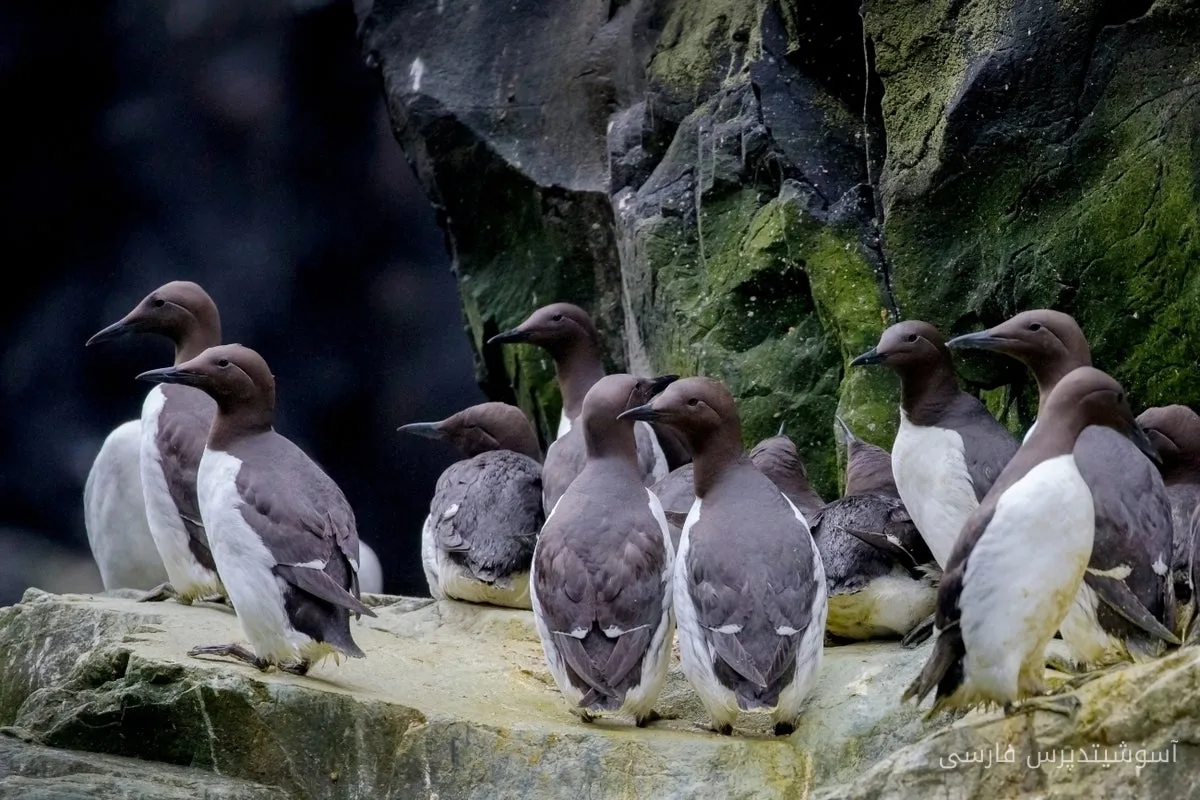
Experts say this change allows logging companies to cut down forests in the Pacific Northwest even if they know it could lead to the killing of endangered birds, or enables developers to build a dam while being aware of killing salmon fish.
Criticism of New Changes
Dan Ashe, who previously led the Fish and Wildlife Service during Barack Obama's administration, said: "This change is fundamentally at odds with the history of the Endangered Species Act." He added: "This is a major negligence that exempts individuals from any responsibility for their actions, even regarding foreseeable consequences."
The Trump administration, under pressure from Republican lawmakers and industrial lobbyists, has sought to dismantle key parts of this law and exempt companies from its regulations. Officials from this administration have stated that they are looking to restore the law to its original purpose, following a 2024 Supreme Court decision that limited federal agencies' powers to interpret environmental laws.
Reactions and Consequences
States and conservation groups are attempting to reverse these changes through a number of lawsuits. The new interpretation of what constitutes harm to a species is outlined in a guideline presented on September 14 by Brian Neswick, the director of the Fish and Wildlife Service.
Neswick wrote in this guideline: "Cutting down a tree does not mean harming the bats that live in it unless the tree is cut down for the purpose of killing or trapping them," adding that these bats will only be affected "indirectly and unintentionally."
Neswick's guideline heavily cites the dissenting opinion of Antonin Scalia, a former Supreme Court justice, in a 1995 case. This guideline follows a new regulation from the Wildlife Service in July that has restricted the definition of "harm" under the Endangered Species Act.
Officials from the Department of the Interior, which includes the Fish and Wildlife Service, have stated that this guideline continuously prohibits activities including harassment, pursuit, hunting, shooting, wounding, killing, trapping, or collecting protected wildlife.
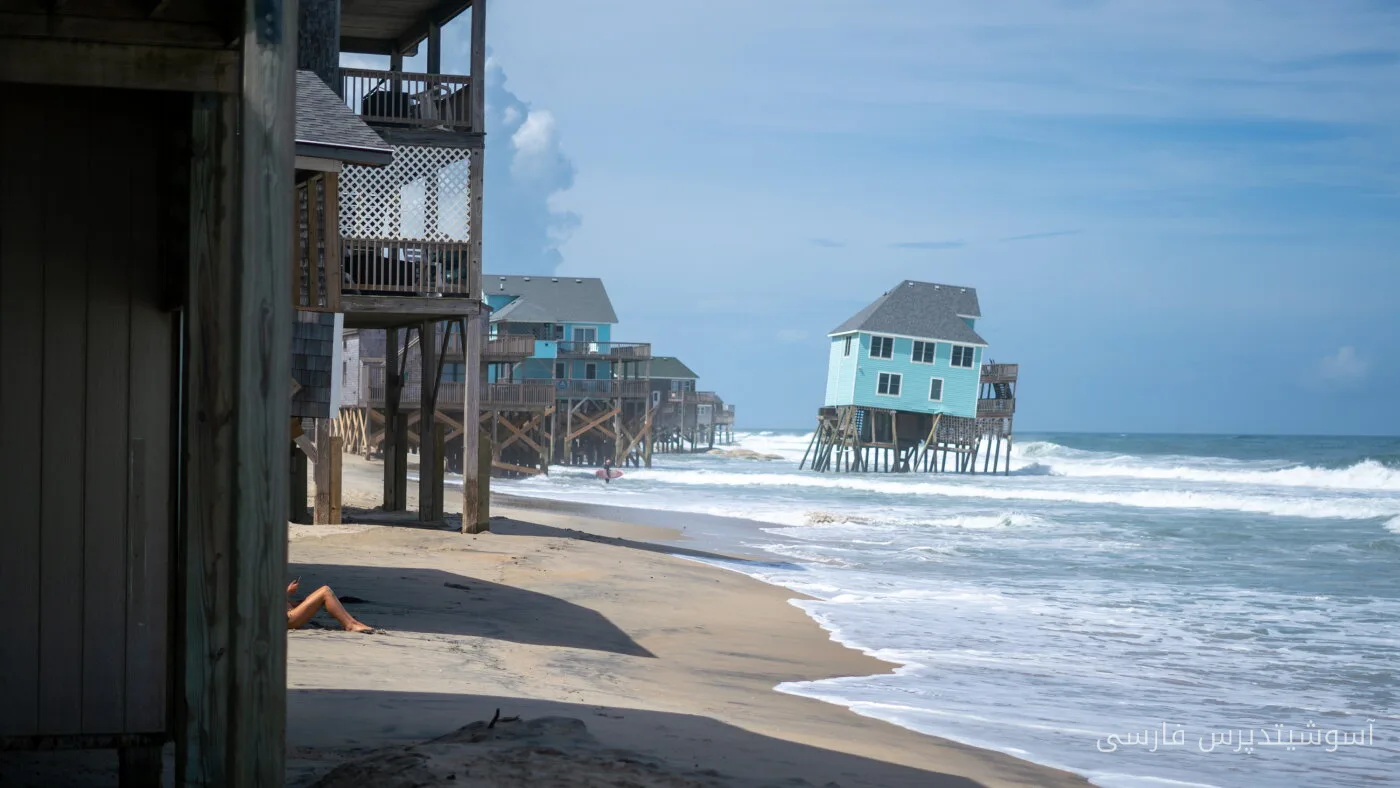
For decades, the government has broadly defined harm to endangered animals, including entering their habitats. Environmentalists warn that if these changes are approved, it will accelerate the extinction of protected species and open the doors to habitat destruction.
Noah Greenwald from the Center for Biological Diversity says: "This is essentially a free pass," adding: "This is a radical interpretation that prioritizes polluters and other industries over nature." The Endangered Species Act is recognized as a tool for saving iconic species like the bald eagle, American alligator, and California condor from extinction.
Read more: Grand Teton National Park euthanized a black bear due to improper feeding by visitors · Americans value press freedom but want restrictions
Source: abcnews.com