Americans value press freedom with some exceptions. About three-quarters of U.S. adults in a new study stated that press freedom is "very" or "extremely" important for the well-being of society. However, at least half of them also support government restrictions on reporting in specific circumstances, such as protecting national security or preventing misinformation.
Confronting Press Restrictions
At the same time, many Americans expressed that there are no circumstances under which the U.S. government should allow journalists access to public figures in exchange for positive coverage or revoke a news organization's broadcasting license. Kataryna Eva Matza, director of news and information at the Pew Research Center, responded to these findings by saying, "People are not all or nothing. When you present them with options and scenarios, they are negotiating. This was a very interesting perspective that the data provided us."
Read more: Paris court awarded Kim Kardashian 1 euro in damages
Differences in Political Opinions
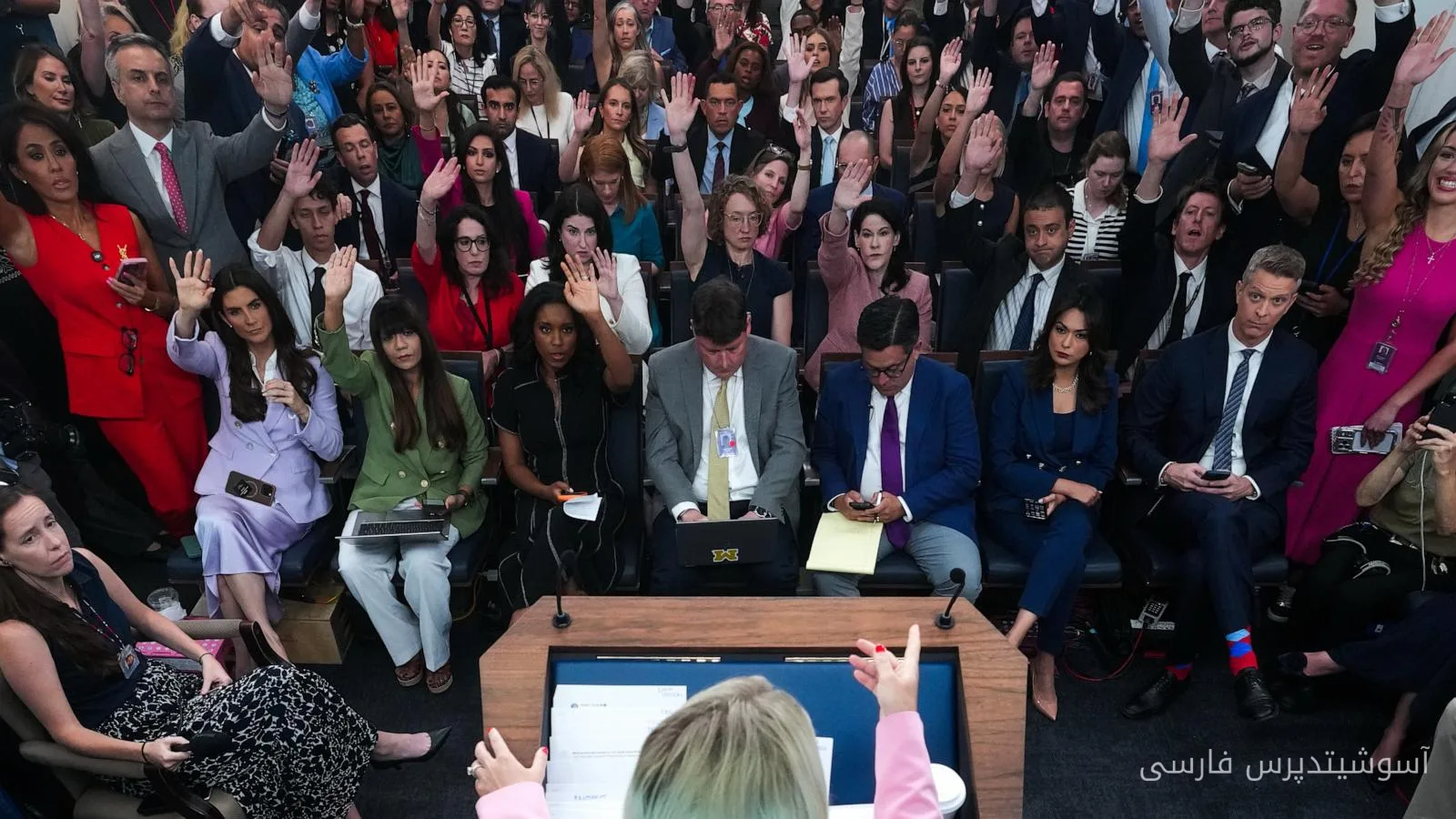
This study, based on two surveys conducted earlier this year, also revealed that Americans are divided on whether the media is fully free. Democrats and Republicans have expressed very different levels of concern about press restrictions. This analysis comes as the relationship between U.S. media and Donald Trump's second administration has become increasingly strained. The President is attempting to limit press coverage that he does not favor during his second term.
Matza stated that this tension was one of the reasons for conducting this report now. Other reasons include changes in the media environment and the evolution of what is now called "the press," as well as the rise of technology companies as gatekeepers of news.
Most Americans, about 70 percent, said that the Trump administration and U.S. news media have a "very" or "somewhat" bad relationship. This figure has slightly increased from 2025, when 64 percent of U.S. adults held the same view. They are more divided on whether the press is facing more restrictions during Trump's second term, although few believe the press is freer than before.
About 44 percent of U.S. adults said that the press has become less free during Trump's second term, while about 26 percent said there has been no change. Only 12 percent said the press has become freer, and 17 percent said they are not sure.
Looking Ahead to Press Freedom
Despite the widespread belief among U.S. adults in the idea of press freedom, this survey showed that they tend to consider restrictions in specific circumstances. Most U.S. adults said that the government should not be able to force a news organization to retract a story if it is critical of the government or clearly favors one political side. However, about half say that the government should be able to compel a retraction if misinformation is present, and about 60 percent hold the same view regarding stories that pose risks to national security.
The findings indicate that most Americans are somewhat open to government restrictions on the media, despite their broad acceptance of press freedom as a concept. At the same time, a universal agreement on what constitutes a national security threat seems unlikely.
Read more: Trial of former Libyan intelligence official for bombing Pan Am Flight 103 begins in January · Poll shows American dissatisfaction with Trump's handling of artificial intelligence
Source: abcnews.com