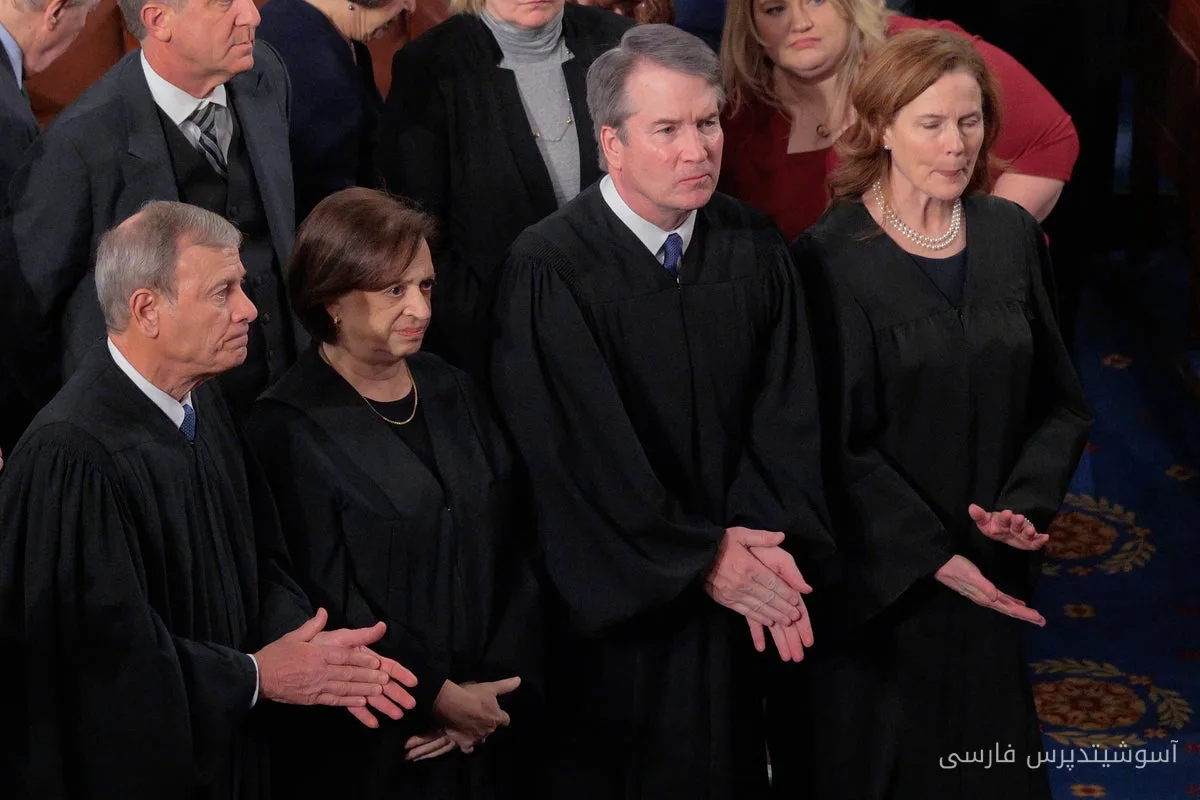
The U.S. Supreme Court rejected Donald Trump's request, the former President, to impose new restrictions on mail-in voting in the midterm elections. This decision was made as Trump sought to change voting laws for greater control over the electoral process.

Background and Implications of the Decision
This action by the U.S. Supreme Court is seen as a sign of support for the existing facts in the mail-in voting process. Mail-in voting has gained attention in recent years due to the COVID-19 pandemic and the need for social distancing. Many states have enacted laws to facilitate this type of voting, while Trump and some of his supporters sought to impose restrictions to prevent alleged fraud.
Details of Trump's Request
Trump was attempting to impose restrictions on mail-in voting, including additional identification requirements for voters and reducing voting time. Citing his concerns about election fraud, he requested the Supreme Court to approve these restrictions. However, the Supreme Court concluded that there was no evidence to support Trump's claims of widespread fraud.
This Supreme Court decision could impact the voting process in the upcoming midterm elections and provide greater assurance to voters that they can safely exercise their right to vote. Additionally, this action is seen as a victory for supporters of mail-in voting and opponents of Trump.
Political Consequences
The Supreme Court's decision could have wide-ranging political ramifications. By rejecting Trump's request, his supporters may feel increased frustration and distrust in the electoral system. Meanwhile, other political parties and civil groups welcomed this decision, viewing it as a sign of democracy's resilience against restrictive efforts.
On the other hand, this action may lead to increased voter participation in the midterm elections. Given that mail-in voting is recognized as a more convenient and secure method of voting, it is expected that more people will choose to vote this way.
Ultimately, the Supreme Court's rejection of Trump's request is seen as a turning point in future electoral campaigns and the country's voting policies. This decision could help strengthen public confidence in the electoral system and increase voter participation in the future.
Source: npr.org