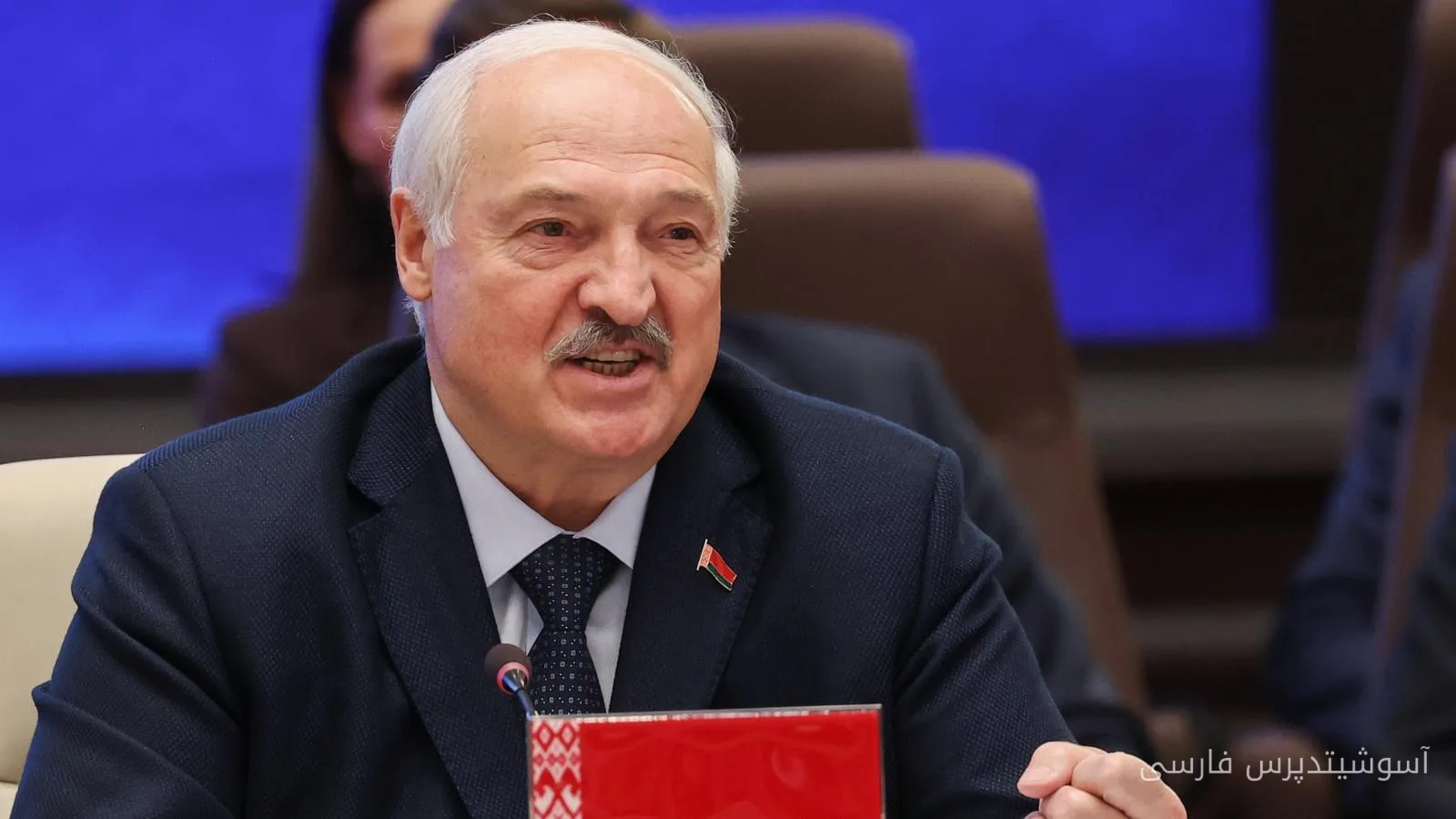
Alexander Lukashenko, the President of Belarus, met on Tuesday with John Koval, the U.S. Special Representative for Belarus, and called for the lifting of remaining U.S. sanctions against his country.
Details of the Negotiations
During the meeting, Lukashenko referred to economic agreements and asked Washington to assist in the release of Belarusian assets that he claimed are "blocked in Citibank." He also stated that he is ready to negotiate any kind of agreement, whether large or small. Lukashenko expressed his willingness to discuss the prospects of exporting Belarusian fertilizers to the U.S.
Read more: U.S. Supreme Court Rejects Trump's Request for Mail-in Voting Restrictions
Since Donald Trump's return to the White House, Lukashenko has released hundreds of political prisoners under several agreements mediated by the U.S., which have led to the easing of some sanctions. In an agreement made in March, Lukashenko ordered the release of 250 political prisoners, and the U.S. agreed to lift sanctions on two state-owned banks in Belarus and the country's Ministry of Finance.
Ongoing Challenges
While emphasizing the continuation of crackdowns, Lukashenko claimed that Belarus has no political prisoners. He said, "There is no need to prosecute anyone for political reasons at this time." This comes as Belarusian opposition leaders have stated that Lukashenko continues to suppress dissent, and there are currently 912 political prisoners in the country.
Sviatlana Tsikhanouskaya, the exiled opposition leader of Belarus, appreciated Koval's efforts as an important humanitarian mission, stating that "the repressions continue" and Lukashenko "continues to support the war in Russia." Tsikhanouskaya clearly pointed out that the goal should be to empty the prisons, not to rebuild the dictatorship.
Political experts believe that communication with the U.S. allows Lukashenko to reduce his global isolation. Valery Karbaliovich, a political analyst, said: "Lukashenko is a very experienced politician, and communication with the U.S. allows him not only to reduce his dependency on the Kremlin but also to return to the international stage and call for the reduction of EU sanctions that have severely impacted the Belarusian economy."
A group of UN experts reported on Tuesday that Belarusian authorities are using the criminal justice system as a tool for repression and systematically targeting government opponents. Susan Bazile, an expert in this group, said: "The international community should not be indifferent to this issue" and added: "Those responsible for serious human rights violations must know that immunity is not a permanent shield, and victims must know that their rights have not been forgotten."
Read more: Trump Administration Appoints Kimberly Greenwood as New U.S. Ambassador to Barbados · Zelensky: Canada-U.S. Tensions Are Strange, A Comparison with Ukraine and Russia
Source: abcnews.com