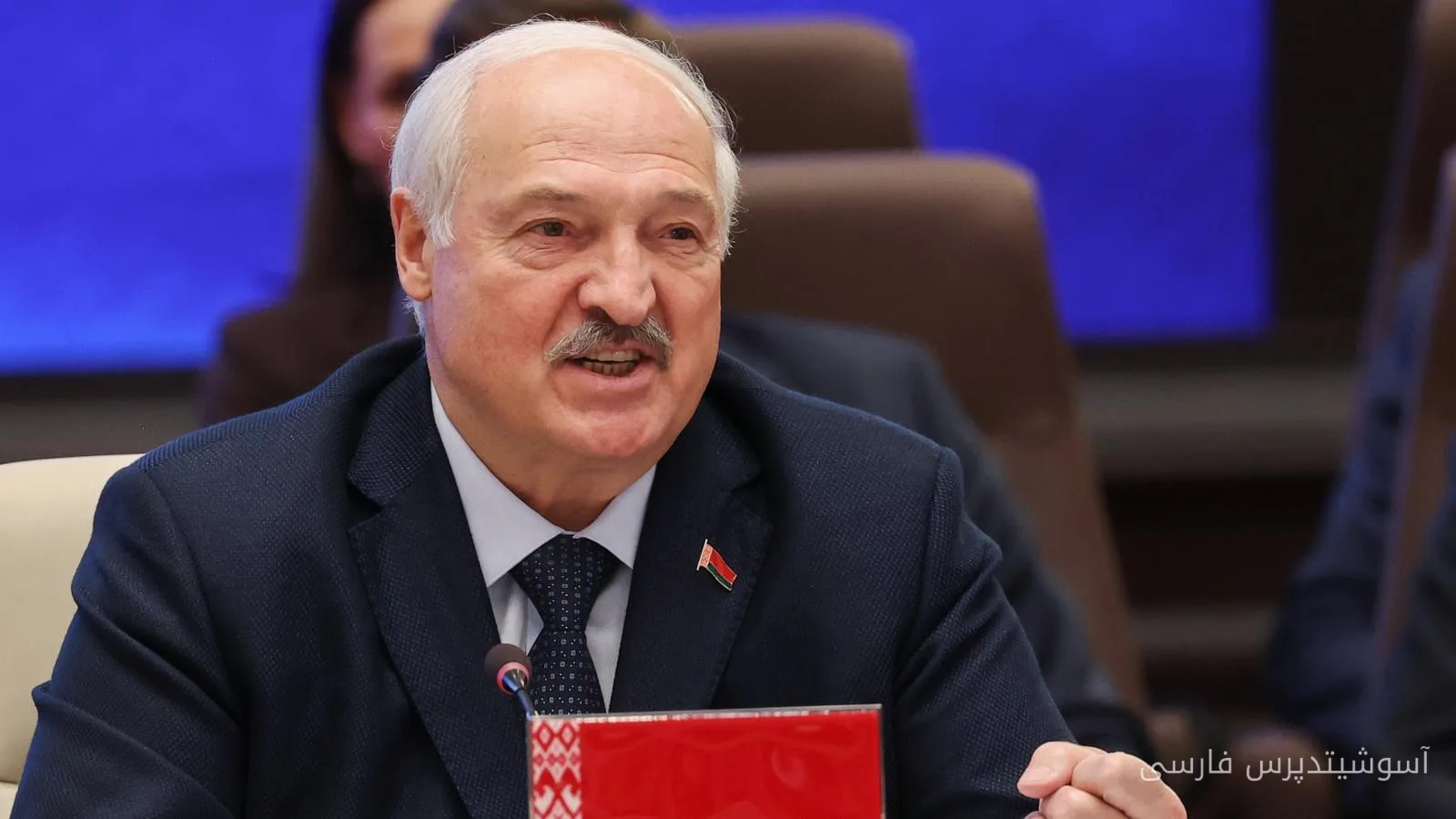
Nigeria, as the largest country in the Sahel region, plays a key role in preventing the escalation of chaos in this area. Jonathan Powell, the National Security Adviser to the Prime Minister of Britain, emphasized the importance of this country for Britain's security stability during his recent visit to Nigeria.
Security and Humanitarian Challenges in Nigeria
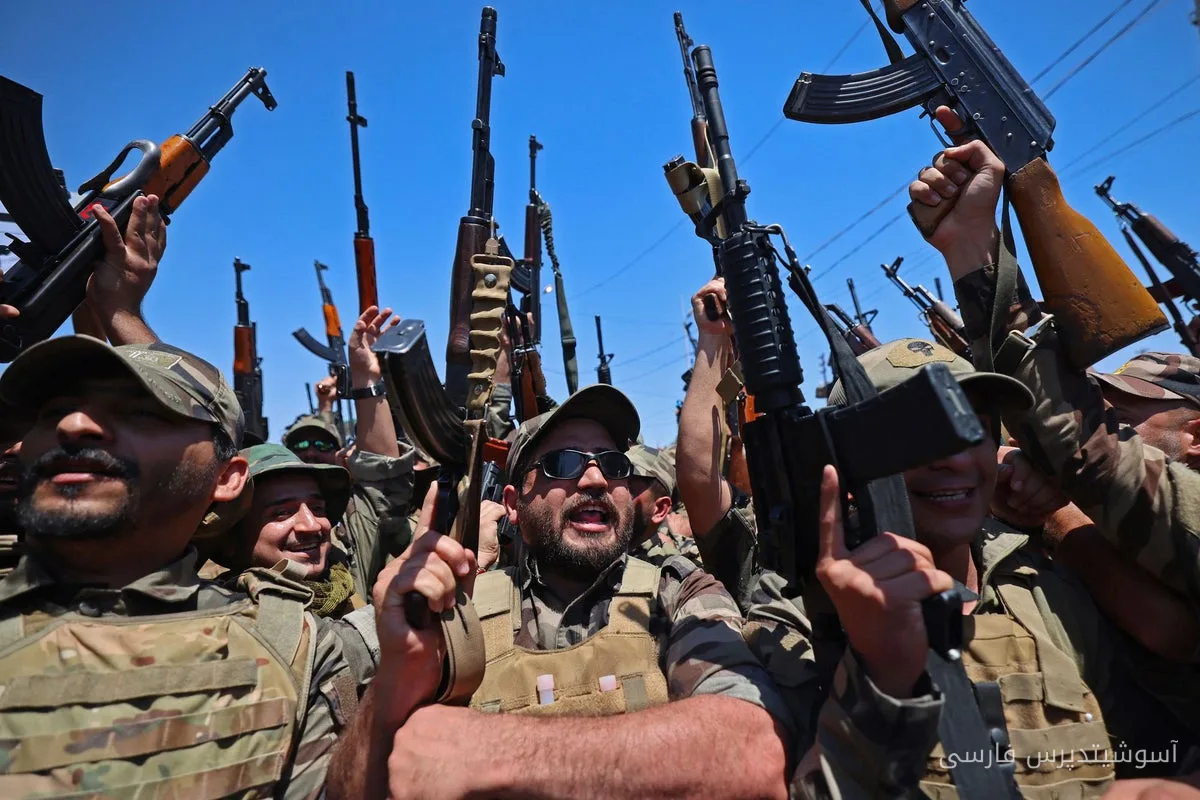
Multiple challenges, including Islamic insurgencies and military coups in the region, have created a serious threat to Nigeria's security and consequently to Britain. For this reason, Britain is seeking to strengthen its national security through defense and counter-terrorism cooperation by signing a strategic partnership with Nigeria.
This partnership also includes aid programs for Nigeria to enhance peace efforts and combat poverty, which is a major factor in attracting individuals to terrorist groups or their migration to Europe. However, a recent report from the International Development Committee of the UK Parliament indicates that these programs cannot succeed without addressing Nigeria's humanitarian and security issues.
Sudden Reduction in Aid Budget
In an unexpected move, the British government announced a 50% reduction in its aid budget to Nigeria, bringing it down to 15% of the support level from a decade ago. This reduction means a weakening of support programs such as the Strengthening Peace and Resilience in Nigeria (SPRING) program, which helps reduce conflicts and improve livelihoods in the country.
Additionally, the Propcom+ program, which aids the transformation of the rural economy for millions of Nigerians, will face budget cuts. Meanwhile, the United Nations High Commissioner for Refugees (UNHCR) has also warned of the negative consequences of this reduction, describing it as catastrophic.
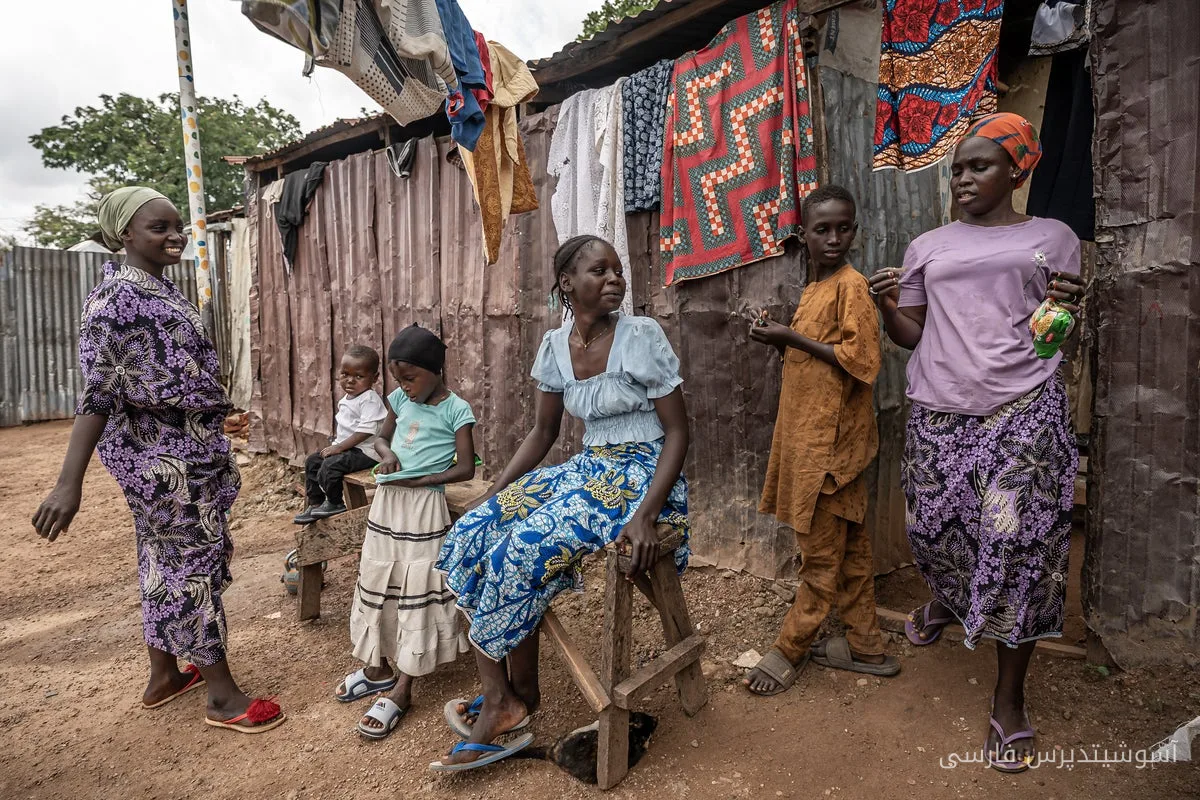
Currently, two programs aimed at reducing conflicts in Nigeria have been halted due to a lack of financial resources. This is occurring while security threats in the country continue to rise, with killings and kidnappings by armed groups pushing people towards refugee camps.
Social and Economic Consequences of Reduced Aid
The director of the Mari Dena Foundation, which provides emergency food and health services in Africa, emphasized that areas in Nigeria with the worst malnutrition are also where extremism and terrorism have taken root. This highlights the direct link between poverty and insecurity.
Non-governmental organizations like ActionAid also point out that refugees may flee from northern Nigerian states to Libya and then to Europe, which poses a threat to Europe's security.
Given the security and economic situation in Nigeria, it is clear that security and welfare cannot be ensured under such conditions with reduced spending. Nonetheless, the British government is undermining a partnership it signed just two years ago.
Source: independent.co.uk