Iraq is on the brink of two important deadlines: the end of the U.S. military presence that has lasted for years and the need to disarm non-state militia groups. As the process of reducing American forces progresses, officials have confirmed that hundreds of remaining troops stationed in northern Iraq will leave before September 30.
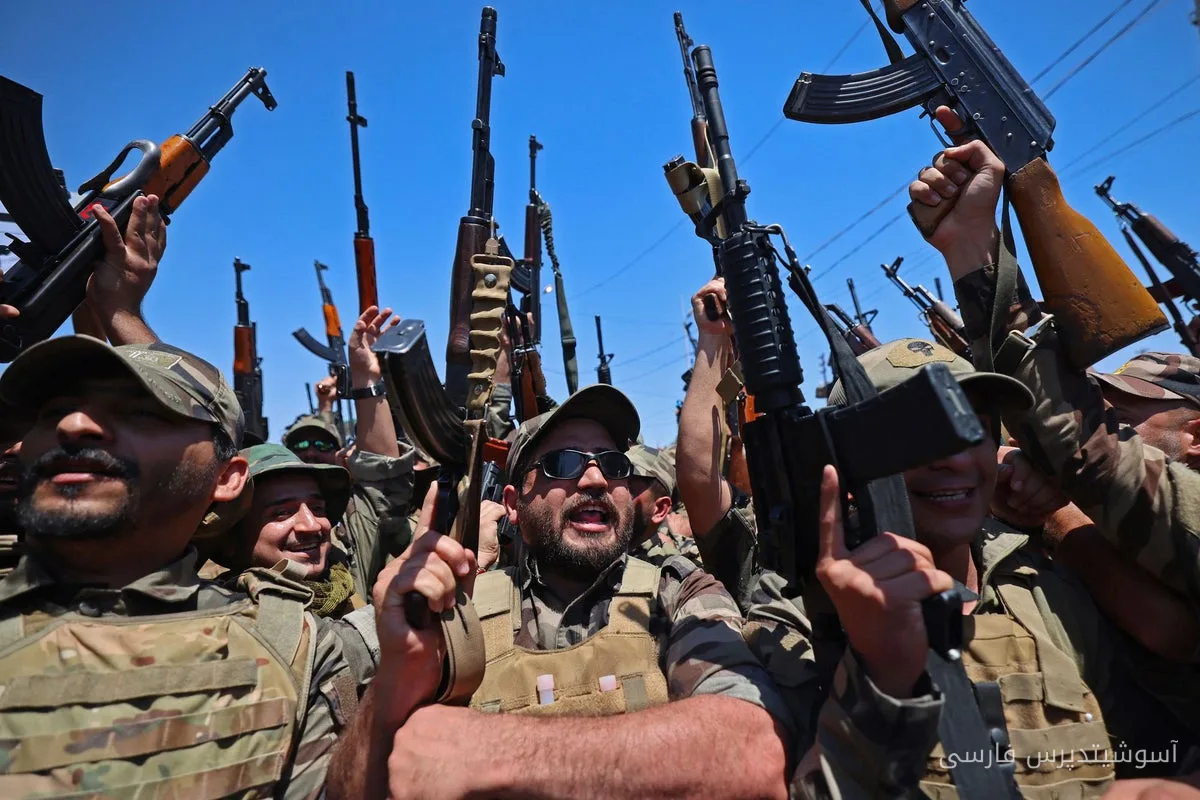
Militia Resistance to Disarmament
The Baghdad government has linked the withdrawal of American forces to a demand for the disarmament of militias, but most of these groups have shown no intention of complying. This resistance raises deep questions about the future stability of Iraq after the withdrawal of American forces.
Read more: U.S. Supreme Court Rejects Postal Voting Restrictions
Since the attack by American and Israeli forces on Iran on February 28, Iranian-backed Iraqi militias have targeted American-affiliated sites in Iraq and border areas, and have also collaborated with the Houthis in Yemen to target Saudi Arabia.
Withdrawal Timeline and Security Concerns
American forces entered Iraq in 2003 to remove Saddam Hussein and returned three years later at Baghdad's invitation after their withdrawal in 2011 to lead a small coalition against ISIS militants. With the decline of ISIS to sleeper cells, Washington and Baghdad reached an agreement in 2024 to end the coalition mission.
An anonymous American military official stated that the withdrawal will be completed by September 30. Remaining forces in northern Iraq will primarily be transferred to Jordan and other regional bases.
After the withdrawal, negotiations may begin regarding a framework for bilateral security cooperation with Baghdad, although its structure is still unclear. American officials are concerned about the strike capabilities of the militias in the region.
While some lesser-known groups have agreed to surrender their weapons, larger groups like Kata'ib Hezbollah and al-Nujaba Movement have firmly refused disarmament and have set conditions that the central government cannot quickly meet.
A government official explained that Baghdad's current approach focuses on integrating armed groups under the Iraqi army. This comes as many militias already belong to the Popular Mobilization Forces (PMF).
Iraqi government spokesman Sabah al-Nu'man stated regarding the situation that "discussions and negotiations are ongoing, and the issue will be resolved after the withdrawal of coalition forces." Despite the withdrawal of American forces, security risks in the region are unlikely to end.
Read more: Defendants Against Trump's Deportations Defend Themselves Under Non-Citizen Voting Law · Iraq: Attacks on Saudi Oil Pipeline Have Started from Our Soil
Source: independent.co.uk