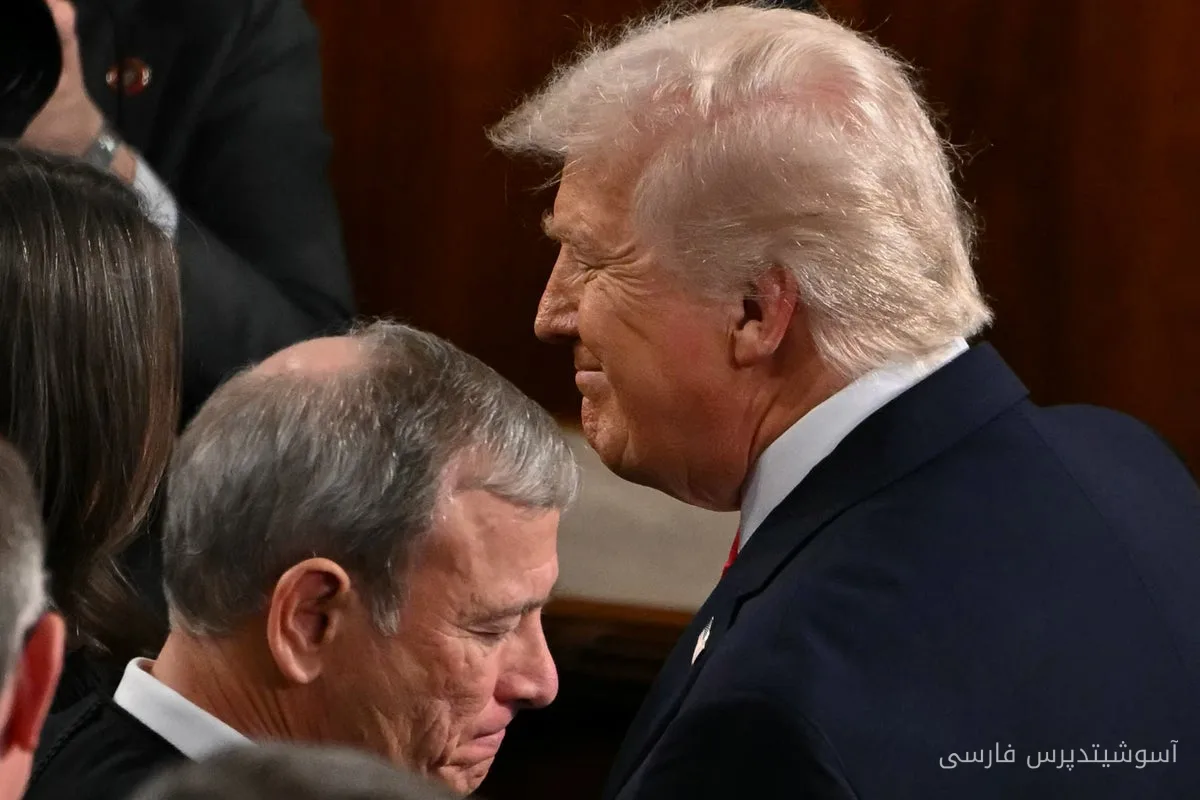
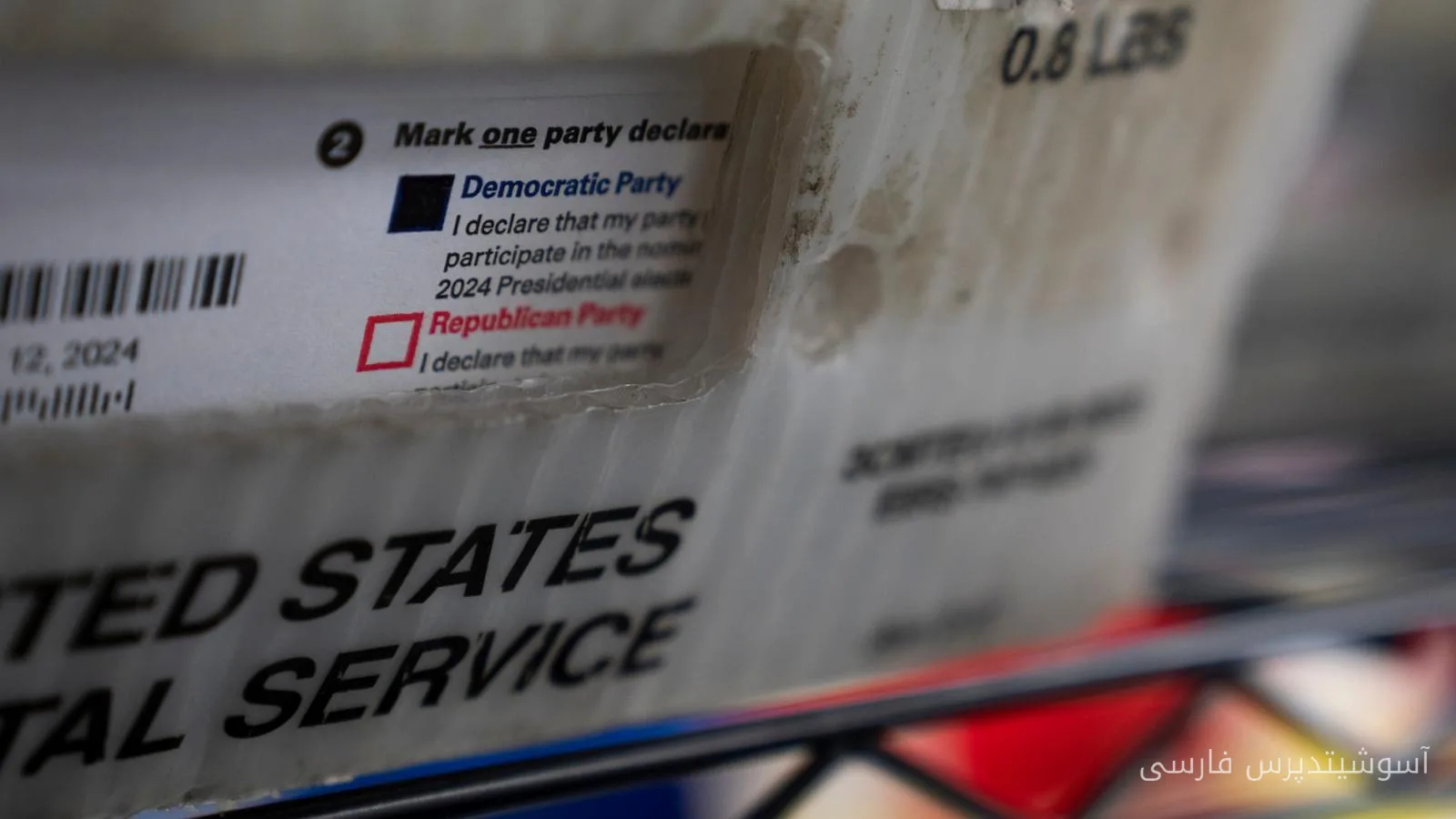
The U.S. Supreme Court on Monday rejected President Donald Trump's efforts to limit mail-in voting, thus allowing ballots to be sent to voters as usual. This decision enables many election offices across the country to send ballots without worrying about complying with new postal service regulations.
Implications of the Supreme Court's Decision
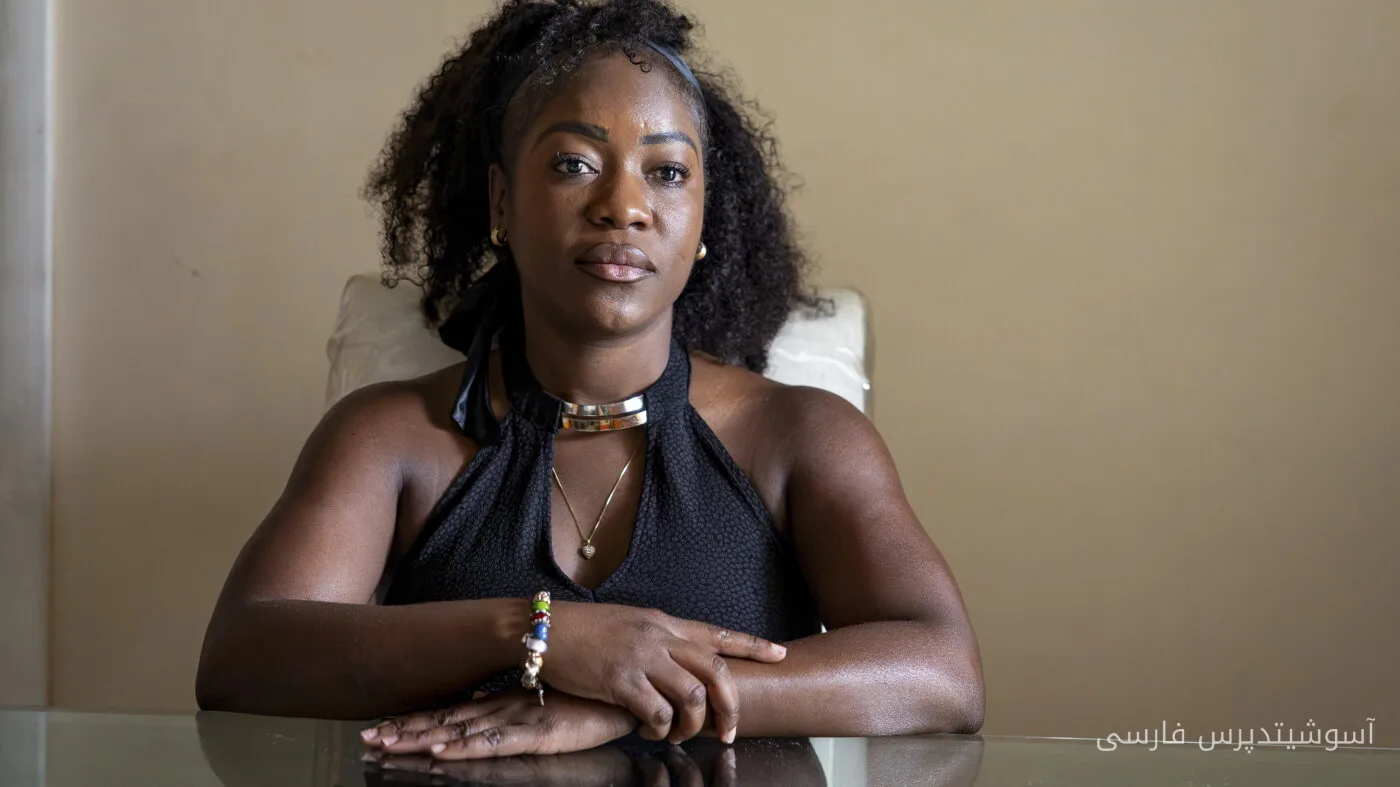
As voting is currently underway in some states, uncertainty about what may happen in the future has cast a shadow over preparations for this year's midterm elections. This decision is seen as a victory for the status quo. Shirley Weber, California's Secretary of State, stated in a post-decision statement: "We can now move forward and return to what we do best, which is conducting fair and transparent elections for the people."
History and Legal Challenges
This case relates to an executive order that Trump signed in March. The administration developed a plan that required states to send ballots in a uniform style and to submit a list of eligible voters to an online portal. The postal service could reject sending ballots to states that did not comply with these rules.
Reports indicated that these requirements could lead to millions of ballots not being sent, disenfranchising many voters in an election that will determine control of Congress in the last two years of Trump's term.
Complex legal challenges and fast-paced court decisions had left election officials uncertain about which rules would ultimately apply. However, they agreed on one point: introducing such significant changes close to a general election is chaotic and nearly impossible in a country where about one-third of voters use mail-in ballots.
Efforts to clarify the election status began swiftly after the Supreme Court's decision. Deidre Henderson, Utah's Lieutenant Governor, announced: "Utahns can be assured that the 2026 elections will proceed normally." Concerns were particularly felt in the eight states where voters rely almost entirely on mail-in ballots.
This Supreme Court decision is viewed as a victory for electoral integrity and the rule of law. Tobias Read, Oregon's Secretary of State, said: "This gives voters and election officials the assurance they need."
Officials in Nevada also reacted to this decision, with Cisco Aguilar, Nevada's Secretary of State, stating that this decision is in favor of voters across the United States.
Read more: EPA Lifts Pollution Restrictions on Fossil Fuel Power Plants
Source: abcnews.com