Herlene, a registered nurse born in Haiti, rarely leaves her home these days. Having lost her temporary protected status (TPS), she feels fear when she goes out and has taught her family members how to film in case she is arrested by immigration authorities.
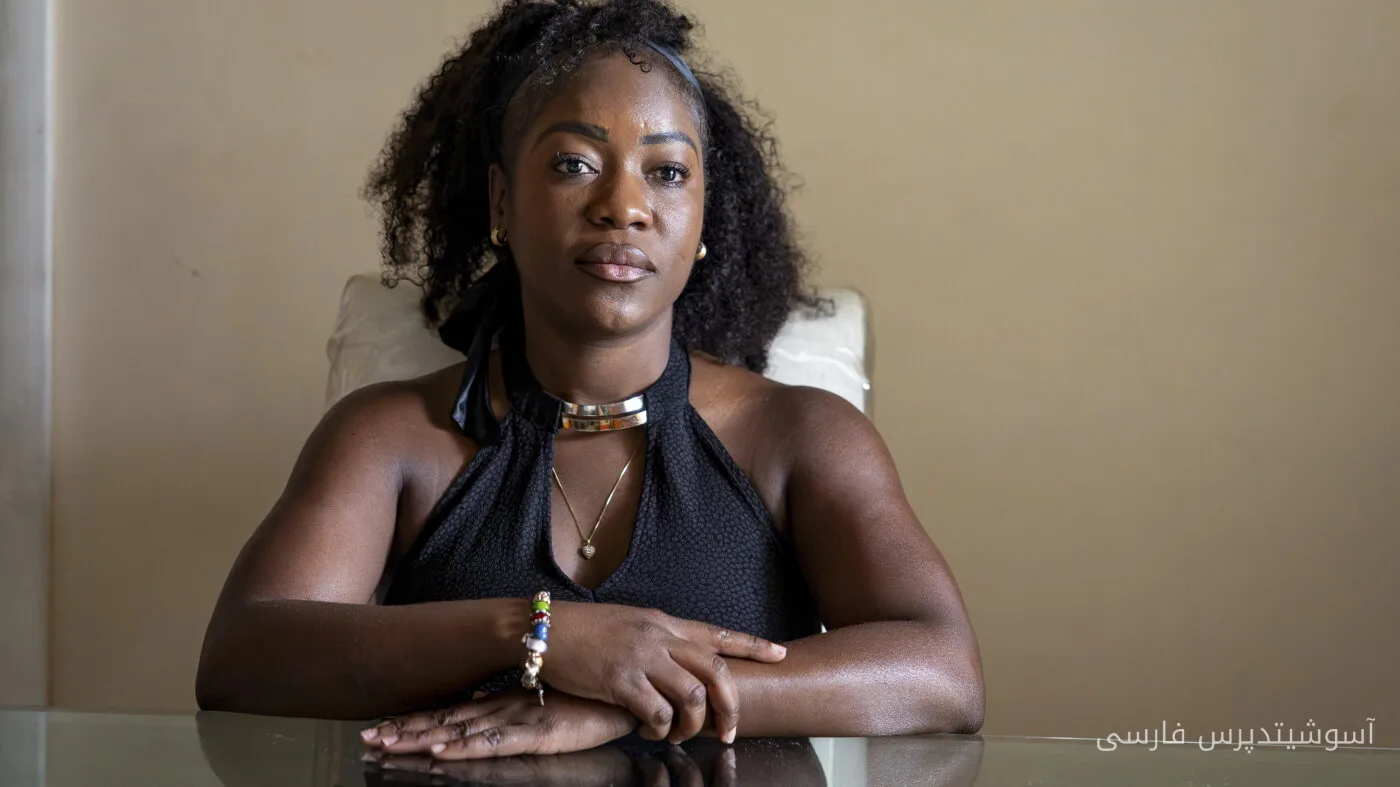
She said, "It's madness that I feel I have to run away. Who am I to have to run away?" Herlene, along with nearly 350,000 other Haitian immigrants, lost their temporary protected status in July.
Read more: U.S. Navy Denies Iran's Claim About Attack on Oil Tanker
Consequences of the Cancellation of Protected Status
For 16 years, many Haitians in the U.S. were protected from deportation due to TPS. This status allowed them to live and work legally in the U.S. and be safe from violence and instability in their home country. However, after the Trump administration canceled their protected status, this group now faces the threat of deportation.
A spokesperson for the Department of Homeland Security stated, "Temporary protected status is exactly that - temporary." The department added that TPS has informally acted as an amnesty program, while Congress never intended for it to be implemented permanently.
Impact on Haitian Communities
Pastor Reginald Jean-Marie, a priest at the Notre Dame d'Haiti Catholic Church in Miami, called the government's action a "psychological war" and said that depression and anxiety have become common among his congregants. He stated that these individuals are in crisis due to the fear of returning to Haiti, where conditions have severely deteriorated.
As armed gangs have taken over the capital of Haiti and are rapidly expanding, many people have been killed in a church. Pastor Reginald said, "We seem like forgotten people" and added that this situation has also tested his faith.
The death of Pierre Damas Bell, a 20-year-old Haitian in Ohio, has severely impacted Haitian communities in Florida. He likely committed suicide due to the loss of TPS and the installation of a monitoring device on his ankle.
Attendance at prayer services has decreased, and only 17 people remain in the adult learning school of the church. Pastor Reginald spoke of 14 congregants who have been arrested by immigration agents, and he believes this situation is completely destroying the community.
The Little Haiti neighborhood, which is the heart of Haitian communities in Florida, has now become severely empty and quiet. Restaurants and shops are facing a decline in customers, and many stores have closed due to fear of arrest.
John Mapou, owner of the Libri Mapou bookstore, expressed concern about the emptiness of his store, saying, "Everyone is hiding and has been harmed by fear." As an immigrant who came to the U.S. due to criticism of political corruption in Haiti, he continues to speak out against politicians who demonize Haitian immigrants.
Fara Lario, president of the Miramar Haitian Residents and Business Owners Association, pointed to discrimination against Haitian immigrants and asked, "Is the message that my life has no value?" He also warned of the dangers of returning to Haiti for those who have been highly critical.
Read more: Signing of the Pact by Wales, Scotland, and Northern Ireland Threatens the Unity of Britain · America Will Never Forget on the 25th Anniversary of the September 11 Attacks
Source: npr.org