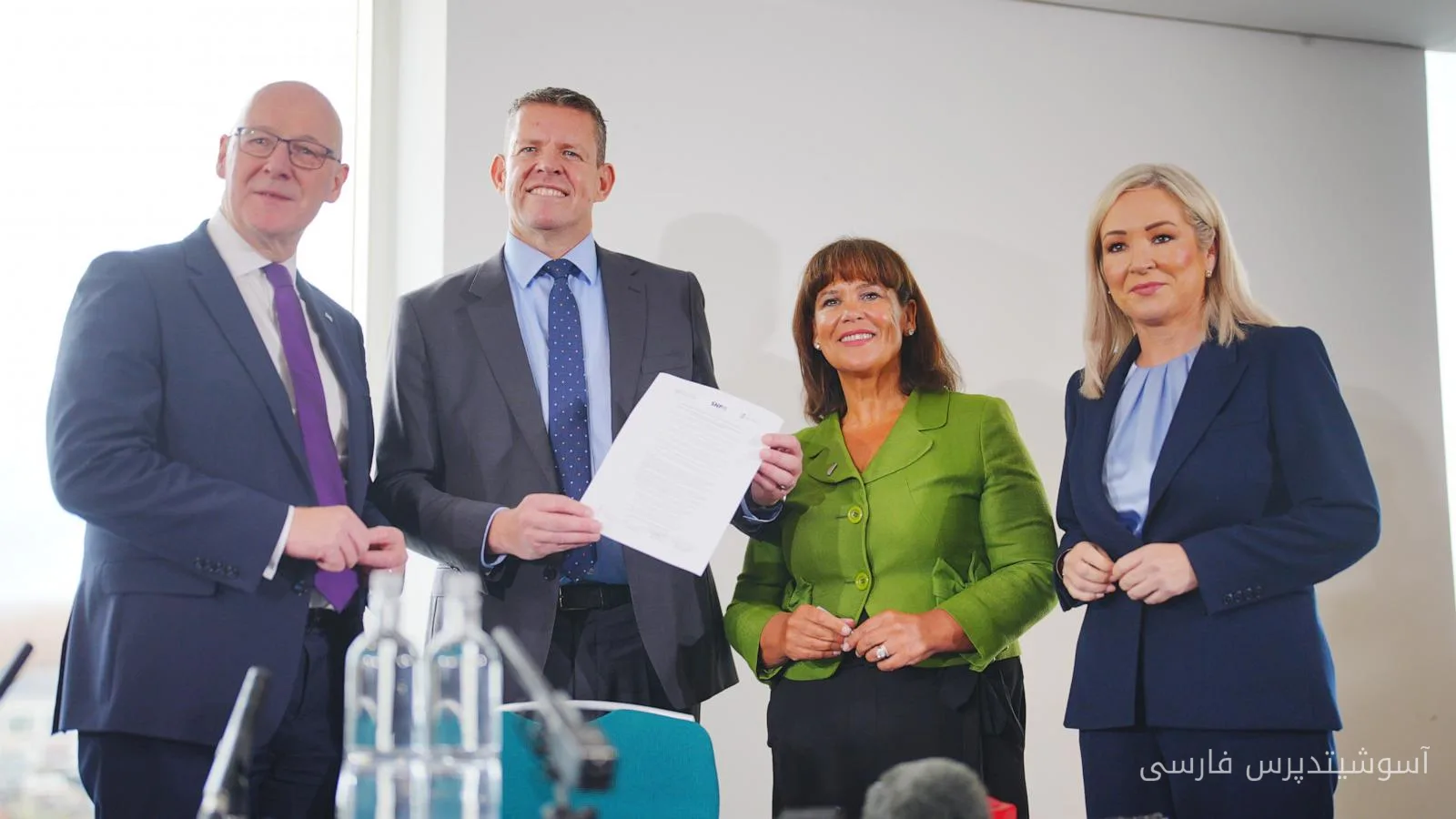
Leaders of Wales, Scotland, and Northern Ireland signed a pact on Monday that could lead to the breakup of Britain. The three prime ministers informed Prime Minister Andy Burnham and his government that they must prepare for legal changes and see their future in the European Union.
Political implications of the pact
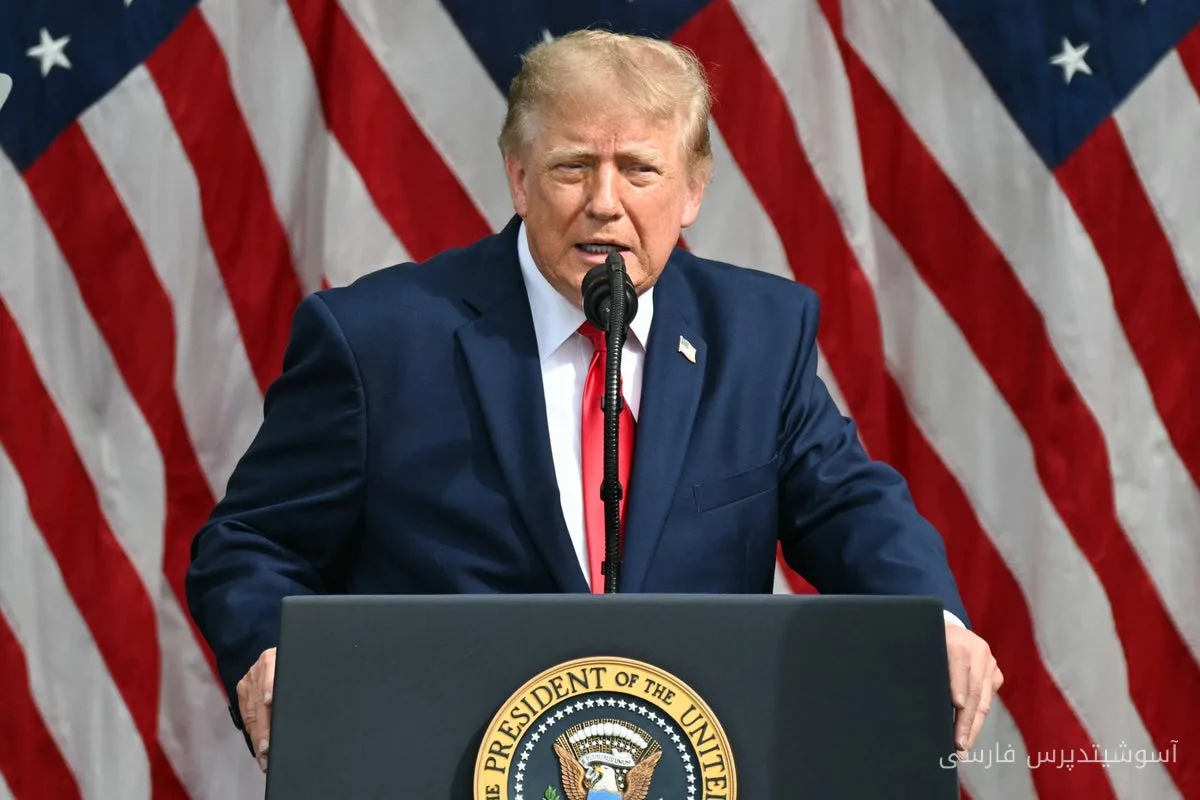
They stated in a memorandum: "For those watching in these islands and around the world, there is no clearer sign that the time of Westminster is coming to an end." This announcement came about 48 hours after U.S. President Donald Trump referenced the controversial political issue, saying he would "like to see" a united Ireland.
Read more: Congress returns for its final session before the midterm elections
Position of the British government
A spokesperson for Burnham dismissed the threat, stating that the Prime Minister is firmly committed to the union and is focusing more on reducing the cost of living than on legal discussions. Tom Wells, Burnham's spokesperson, added: "Britain is at its best when people come together around our shared values and solving problems, not in division."
Nicola McEwan, director of the Public Policy Center at the University of Glasgow, said that the meeting is symbolically significant but has no legal meaning. She added: "I do not see this as a greater threat to the union today than yesterday." In the late 1990s, Britain passed legal statutes that decentralized power through a devolution process and granted each country, except England, a level of political independence and autonomy through its own parliament.
John Swinney from Scotland and Michelle O'Neill from Northern Ireland called for independence referendums in their countries, while Ron Ap Ivorith did not provide a specific timeline for such action for Wales. The three leaders appeared in their political capacity, not in their official capacity, likely because O'Neill is in a power-sharing government with the Democratic Unionist Party.
In response to accusations of "weaponization" of her premiership, Michelle O'Neill stated: "I am the First Minister in Northern Ireland. This relates to the historic change that is happening around us." Swinney, leader of the Scottish National Party, said he believes that if the British government approves holding a referendum, voters would now vote for independence.
Read more: European leaders meet in Finland to discuss the Arctic situation · Military aircraft; the cause of the air traffic crisis in Britain
Source: abcnews.com