Russia's wartime economy is facing serious challenges due to rising military spending and budget deficits. According to experts, this situation arises while oil revenues have not been affected by high global prices, allowing the government to continue financing its 4.5-year-long aggression against Ukraine.
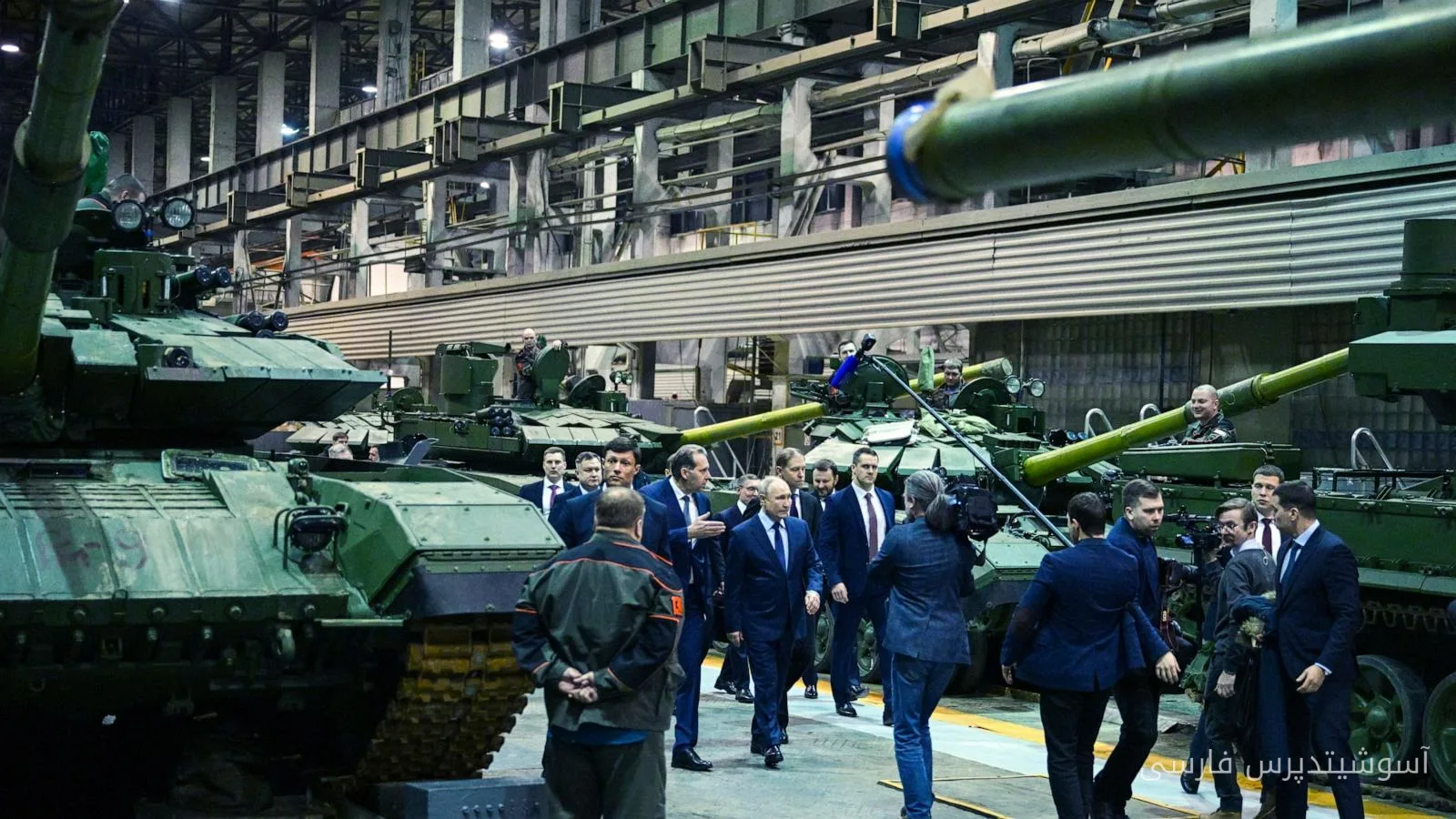
Declining economic growth and negative consumer sentiment
Consumer and business sentiment in Russia is declining, and economic growth is slowing down. While low unemployment rates and government assistance in poorer regions have helped maintain stability, economists warn that infrastructural problems are slowly creating a crisis.
Read more: Federal Reserve raises key interest rate for the first time in 3 years
The consumer sentiment index, examined by the Levada Center, an independent Russian polling organization, reached 94 in the summer, down from 116 in the spring and summer of 2025. This decline indicates a more negative consumer sentiment compared to its positive state.
The impact of war and military spending on the economy
Military spending is on the rise, and the government is seeking new financial resources. Vladimir Putin, the President of Russia, has turned to increasing value-added tax and other levies, but the budget deficit continues to grow. By the end of July, the budget deficit reached 2.8% of annual GDP, nearly double the initial budgeting target.
Oil revenues, which had dropped to less than $10 billion per month before the war, increased to $15.8 billion in June and $13.8 billion in July. These revenues allow the government to continue its war expenditures, but experts warn that this situation is not sustainable.
Forecasts indicate that Russia's economy is moving towards a crisis despite structural problems and pressures from high costs. However, the exact timing of the crisis remains uncertain.
Source: abcnews.com