The Houthi rebels' attacks on the Red Sea coasts pose a serious threat to Saudi Arabia's oil exports. These attacks, recognized as the largest Houthi advance in recent years, have reignited the 12-year-long civil war in Yemen and increased global fuel prices. This situation also provides Iran with an opportunity to expand its influence in the region, while the United States gradually reduces Tehran's control over the Strait of Hormuz.
Extent of Attacks and Their Consequences
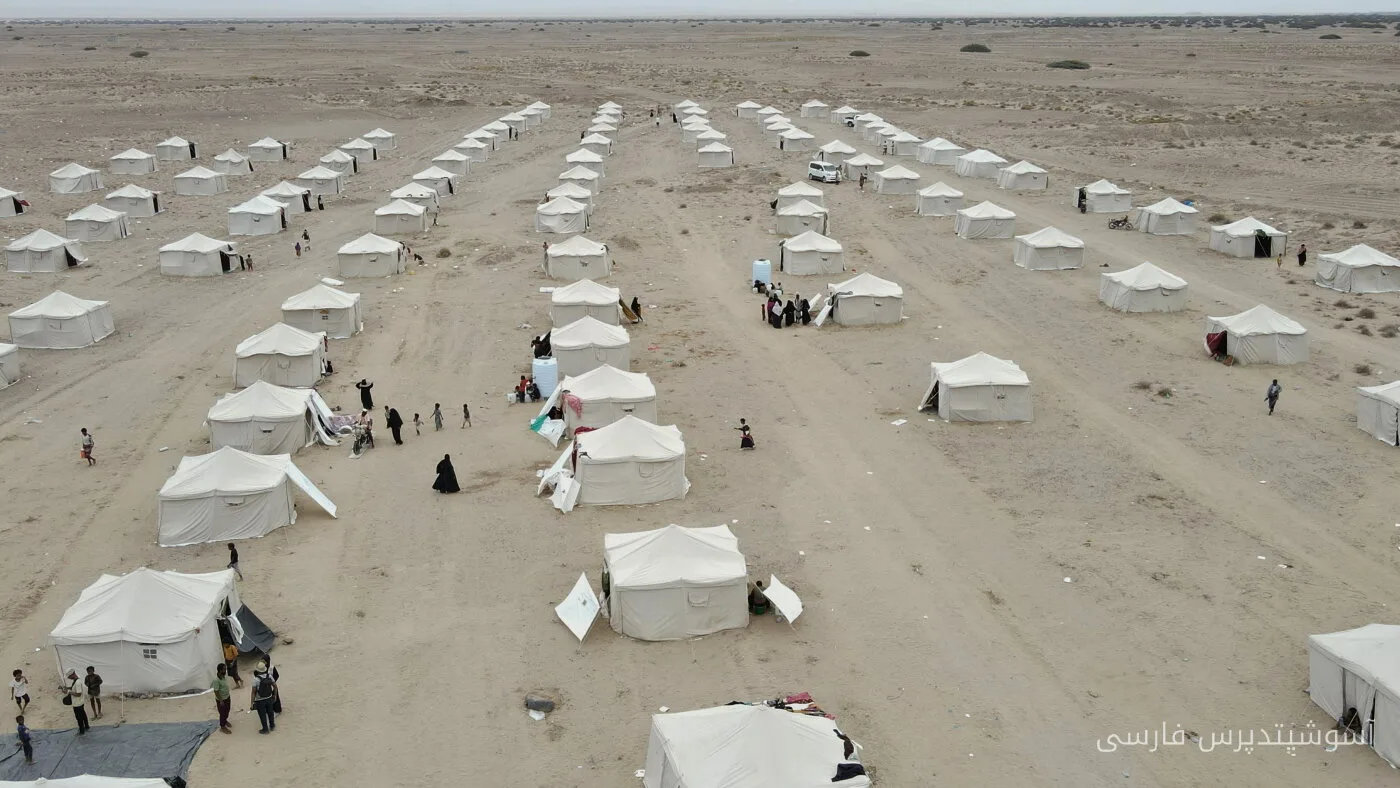
The Houthis have intensified tensions by targeting Saudi oil facilities and tankers. One of the attacks on the East-West pipeline in Saudi Arabia, attributed to Iran-aligned militants in Iraq, has sparked a new crisis for the country and shaken global markets. Reports indicate that these attacks have caused around 125,000 Yemenis to flee their homes. The civil war in Yemen has claimed the lives of over 150,000 people and has repeatedly brought the country to the brink of famine.
Read more: Identification of body found in the Grand Canyon as Timothy L. Smith
Saudi Arabia's Role and International Reactions
Now the Houthis seem to be eyeing eastern Yemen, which is rich in oil resources. Currently, the only obstacle in their way is the Saudi-supported government and a coalition of forces that were even engaged in conflict with each other in January. It appears that Saudi Arabia's most important ally, the United States, is acting passively in this regard.
The Houthis have previously captured the important port city of Mocha and taken control of several islands near the narrow Bab al-Mandab Strait. This strait is a location through which about 12 percent of global trade passes in peacetime, and the Houthis are now only 32 kilometers away from Djibouti, a small country that hosts military bases from the United States and other nations.
In recent days, intense clashes have been occurring in and around the city of Marib, located in the oil-rich province. Previous Houthi attacks to capture this city, recognized as a military base for Saudi-backed forces, have failed. The Houthis have also threatened to attack the western city of Taiz, which is the main front of the conflict.
The Houthis are calling for an end to the blockade that Saudi Arabia has imposed on the territories under their control. Mohammed al-Bukhaiti, a member of the Houthi political office, emphasized that "it is Saudi Arabia that has closed the Bab al-Mandab Strait to maritime traffic to and from Yemen and imposed an unfair blockade on this country."
Saudi Arabia and its allies are trying to contain or prevent the Houthi advance and may be seeking a diplomatic solution to stop these attacks. This could mean progress in negotiations between the United States and Iran, as Iran is the only country that can exert influence over the Houthis.
Read more: Death of 33 suspects arrested for illegal mining in Nigeria · U.S. House of Representatives votes for the third time to end the war in Iran
Source: npr.org