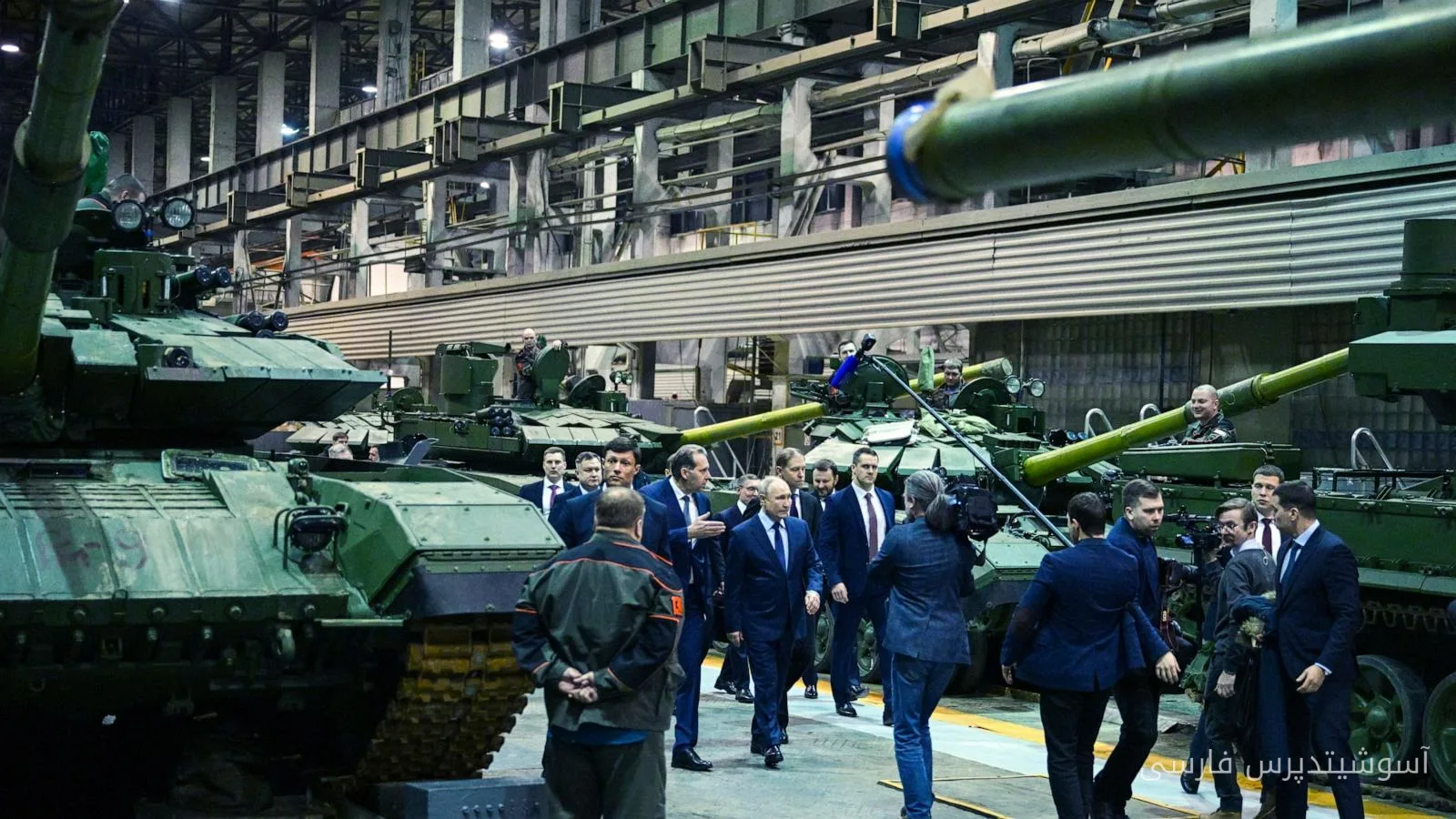
As Russians head towards parliamentary elections, they are confronted with increasing economic problems stemming from Vladimir Putin's war in Ukraine. Rising defense costs have expanded the budget deficit and placed significant pressure on the country's war economy. Business and consumer sentiment has weakened, and economic growth has clearly slowed.
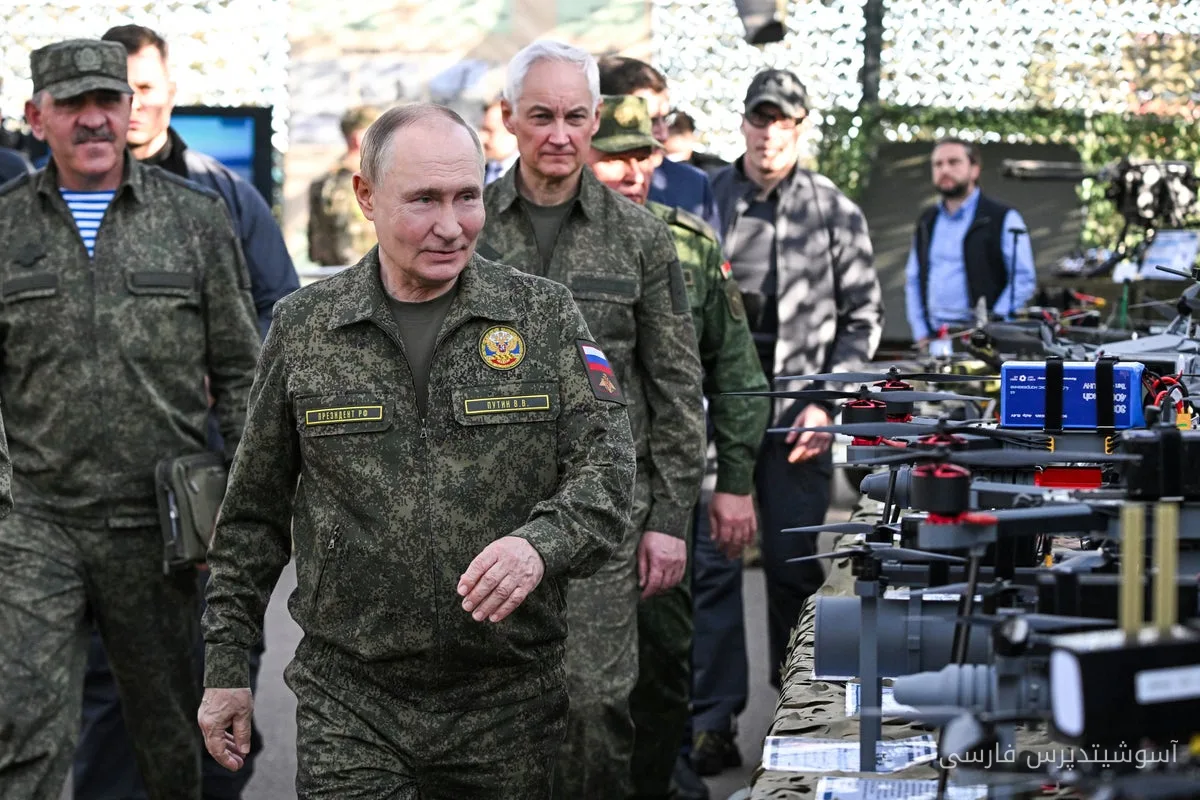
Economic Challenges and Signs of Instability
Economists believe that these problems do not signify an immediate financial collapse or economic downturn. High global oil prices due to the war with Iran continue to provide essential export revenues, helping the government cover the costs of four and a half years of the attack on Ukraine. Low unemployment rates and generous government spending in poorer regions also help reduce domestic discontent.
Read more: Investment Company Head Sentenced to 11 Years in Prison for Ponzi Scheme
However, experts warn of fundamental and long-term challenges that are slowly undermining the economy. The consumer sentiment index, produced by the Levada Center, an independent Russian polling agency, fell to 94 in the summer, down from 116 in early 2025. Values below 100 indicate more negative than positive sentiment among consumers.
Concerns Among the Public and Financial Situation
People in Moscow responded to fundamental concerns about pensions and prices regarding the elections. Alexander Veretukhin, a 72-year-old retired prosecutor, stated that the government should focus on "a decent standard of living for retirees." He also mentioned that he is "fine" in terms of financial and other aspects.
Other citizens, such as 26-year-old Dmitry Kirilin, called for lower prices and improved travel conditions in the country. He also noted, "I would like prices to rise more slowly, if that is possible under the current circumstances." The situation with fuel and strikes at online stores like Wildberries has made the war more visible to the public, but it does not signify a crisis.
Chris Weafer, CEO of Macro-Advisory Ltd, described the economic situation as "acceptable stability" and said that the general mood is "discontented" but not actively protesting. He also added that most people have not been "significantly affected" by the attacks in Ukraine and that changes in shopping habits will not alter public support for the Kremlin.
Vladimir Putin's approval rating has declined in recent months but remains above pre-war levels from 2022. One sign of stress is Russia's budget deficit and the government's efforts to find new financial resources. Putin has turned to increasing value-added tax and raising other costs, but the deficit continues to rise.
By the end of July, budget data showed that the deficit had reached 2.8% of annual GDP. Available resources in the Russian Reserve Fund have decreased to 1.6% of GDP, meaning the Kremlin needs to borrow from domestic banks. This implies high borrowing costs, with interest rates on Russian bonds reaching 17%.
Budgetary stresses are "raising doubts about the duration of Russia's continued war." The Central Bank of Russia has kept rates high to prevent inflation from war-related costs, which puts pressure on civilian companies that do not have preferential access to credit.
In the short term, oil export revenues have increased to $15.8 billion in June and $13.8 billion in July since the war with Iran. As long as high energy prices persist, "Russia's budget constraints may effectively disappear." Experts emphasize that stringent measures against oil tanker fleets circumventing sanctions on Russia should be prioritized.
Read more: Russia's War Economy Faces Serious Challenges from Debt and Military Spending · U.S. House Passes New Sanctions Package Against Russia
Source: independent.co.uk