The National Park Service has warned against approaching deer and black bears in the fall season. Officials at Great Smoky Mountains National Park in Tennessee announced that this season is marked by increased activity of these animals.
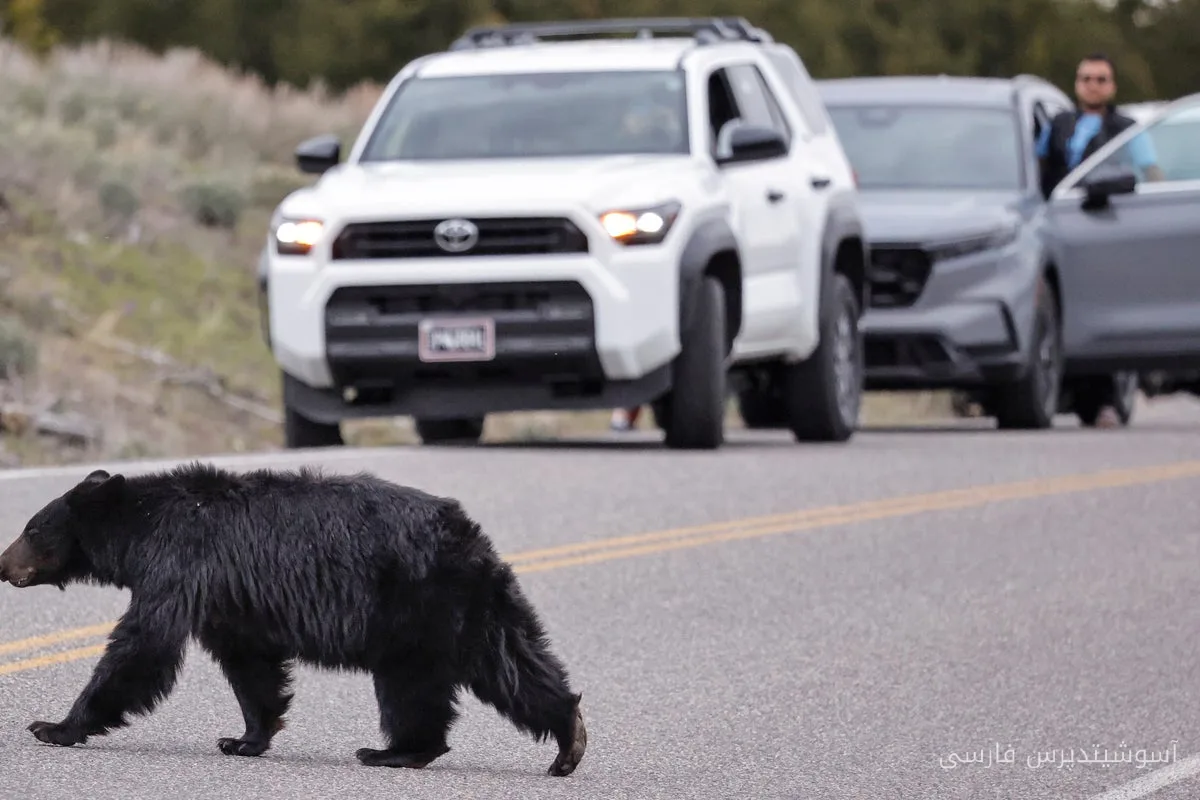
Risks of Approaching Wildlife
Wild animals are unpredictable, and approaching them can lead to unfortunate incidents between humans and wildlife. Although fatalities in this regard are rare, several people have been injured in recent years due to protective bear attacks and deer.
The Park Service emphasized in a statement: "To enjoy wildlife responsibly, maintain a distance of at least 25 yards from deer and 50 yards from black bears." This distance is set to prevent changes in animal behavior and to ensure visitor safety.
Deer Mating Season and Bear Feeding
The fall season is associated with black bears feeding in preparation for hibernation. These animals consume up to 20,000 calories a day during this time to build up the necessary fat reserves for winter. For this reason, they are very active during these months, foraging for food in the park.
This season is also the mating season for deer, known as "rut." During this period, testosterone levels in male deer increase, which can lead to heightened aggressive behaviors towards perceived threats, including humans, vehicles, and pets.
Approaching deer and black bears in the national parks of the United States, including Yellowstone National Park, Olympic National Park, and Grand Teton National Park, is illegal. Violations may result in fines or arrest, and penalties can range from several hundred to several thousand dollars.
The Park Service advises visitors that if they accidentally approach a deer or black bear, they should slowly back away. If a black bear continues to pursue, stand your ground, make noise, throw rocks, and back away slowly. In the event of a deer attack, seek shelter, and if shelter is not available, run away.
Source: independent.co.uk