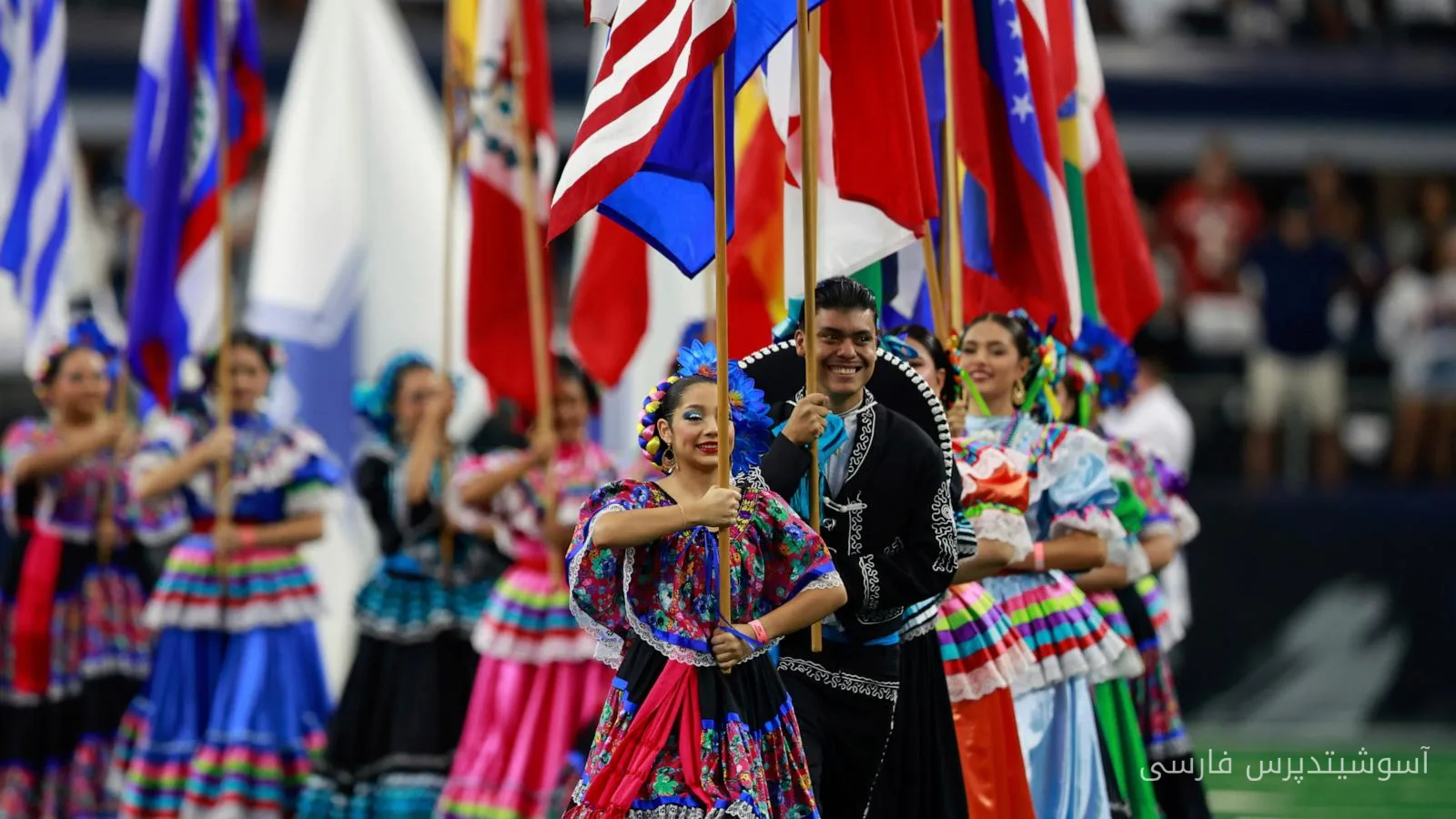
National Hispanic Heritage Month is held in the United States from September 15 to October 15. This festival is an opportunity to remember and recognize the role and contributions of the Latino community in the history and culture of America.
History of the Festival
National Hispanic Heritage Month was established as Hispanic Heritage Week in 1968 by Congressman Edward R. Roybal and was signed into law by President Lyndon B. Johnson. Two decades later, this festival was expanded to a full month under President Ronald Reagan.
Read more: Barnes & Noble is expanding its stores in America
September 15 was chosen as the starting day of this month because it coincides with the anniversary of "El Grito de Dolores," which was declared in 1810 during the Mexican War of Independence from Spain. Several Central American countries, including El Salvador and Guatemala, also celebrate their independence in this month.
Focus on Culture and Solidarity
The festivals emphasize the common challenges faced by Latin American and Caribbean countries, including Costa Rica, Nicaragua, Guatemala, Honduras, and El Salvador. These events also address the history of struggles for the rights of indigenous peoples. Paul Ortiz, a professor of Latin American labor history at Cornell University, says, "Family, mutual aid, and community are very important to us. Our parents and grandparents have worked hard to advance in this country."
With the growth of the Latino consumer population in the United States over the past decade, historians say there has been an increase in curiosity and appreciation for the Latino community. This month also serves as an opportunity to reflect on the history of colonization in Latin America.
The label "Latino" refers to connections with Latin America. For this reason, some people celebrate this month as "Latin Heritage Month." Different cultures in the diaspora, including Mexican Americans, Colombians, and Salvadorans, have their own specific differences in food, art, and music.
Diego Javier Luis, a historian and professor at Johns Hopkins University, says, "The history of Latinos is the history of the United States, and Latino cultures are U.S. culture. Our food and music are also part of U.S. culture."
Read more: Republican and Democratic governments in Nashville agreed to name the airport after Dolly Parton · Release of a 200-page Swiss file on Nazi criminal Josef Mengele
Source: abcnews.com