The 30-year mortgage rate in the U.S. has reached its highest level in over 14 months and is expected to approach 7% this week. This increase in rates forces homebuyers to reassess their purchasing plans.
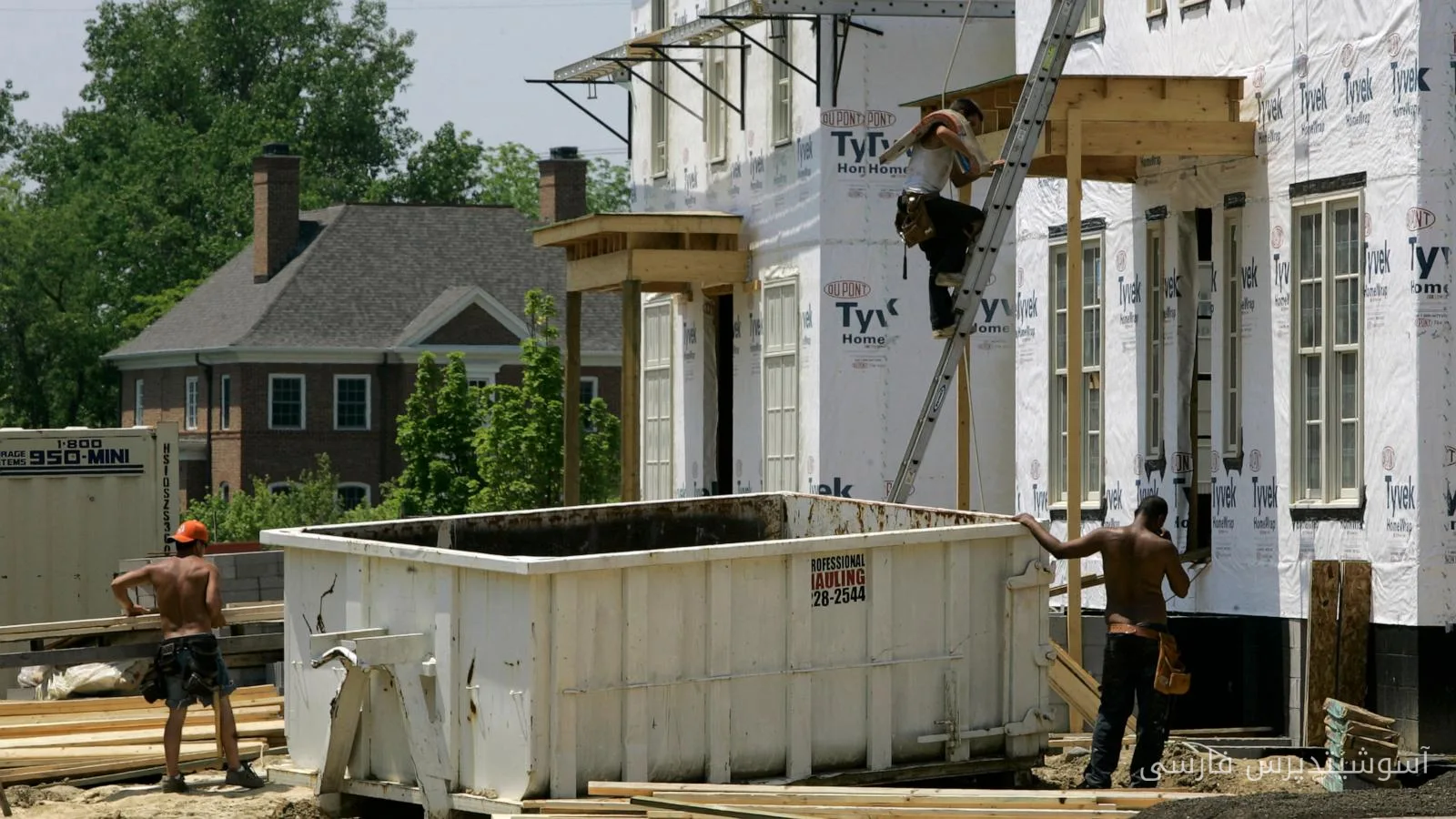
Continuous Rate Increases
According to the latest published statistics, the average 30-year mortgage rate has reached 6.76%, and it is expected that this rate will continue to rise in the snapshot to be released on Thursday afternoon. Other mortgage trackers have also indicated that the average 30-year mortgage rate has recently fluctuated around or above 7%.
Read more: Asian markets mixed after Wall Street decline
The increase in mortgage rates can add several hundred dollars to the monthly costs for borrowers and limit the purchasing power of homebuyers. As rates rise, potential buyers may delay their purchases.
Factors Affecting Mortgage Rates
The housing market has been in a recession this year, and rising borrowing costs have been one of the main reasons for this downturn. The increase in mortgage rates began after the onset of the war between the U.S. and Iran in late February. Expectations for rising inflation, alongside increasing oil prices, have led to higher yields on long-term bonds that lenders use to price mortgages.
Mortgage rates are influenced by factors such as inflation, Federal Reserve policies, and bond market investors' expectations for the economy. These rates typically follow the yield pattern of 10-year Treasury bonds, which lenders use as a guide for pricing mortgages. The yield on these bonds, which reached 3.97% in late February, surpassed 5% for the first time in 2023 on Monday.
The Federal Reserve's decision to raise its key interest rate on Wednesday for the first time in three years to control soaring inflation could put additional pressure on mortgage rates. Although the Federal Reserve does not set mortgage rates, its decisions regarding short-term rate increases or decreases are closely monitored by bond investors and can affect the yield on 10-year Treasury bonds.
Lisa Sturtevant, Chief Economist at Bright MLS, stated: "This rate increase virtually guarantees that mortgage rates will remain in the 7% range, creating financial barriers for buyers and sidelining many potential buyers."
The U.S. housing market has been in recession since 2022, and mortgage rates have risen from their lowest levels during the pandemic. Sales of previously owned homes in the U.S. remained nearly flat last year, stuck at a 30-year low. Additionally, sales of these homes decreased again last month.
Rising home prices, especially in the early years of this decade, and a chronic shortage of homes nationwide, exacerbated by years of below-average construction, have driven many forward-looking buyers out of the market. These factors have led many buyers to pay attention to mortgage rates, which can increase their purchasing power but can also lead to reduced affordability.
Depending on income, credit, and other factors, borrowers may qualify for a 30-year mortgage rate that is below or above the current average. The Federal Reserve's rate hike and other factors currently driving up mortgage rates could further slow the housing market this year.
However, it is unclear how much mortgage rates will rise from here, as their recent increases may partly be due to expectations surrounding Federal Reserve rate hikes.
Jake Crimmell, Chief Economist at Realtor.com, said: "This is important because it tells us how mortgage rates and the bond market may respond to potential Federal increases."
Read more: Amazon raises minimum hourly wage for core employees · Global stocks drop and oil prices exceed $100 per barrel
Source: abcnews.com