Gu Khoi Par has been handcrafting traditional Chinese coffins in Malaysia for over five decades, inheriting this art from three generations before him.
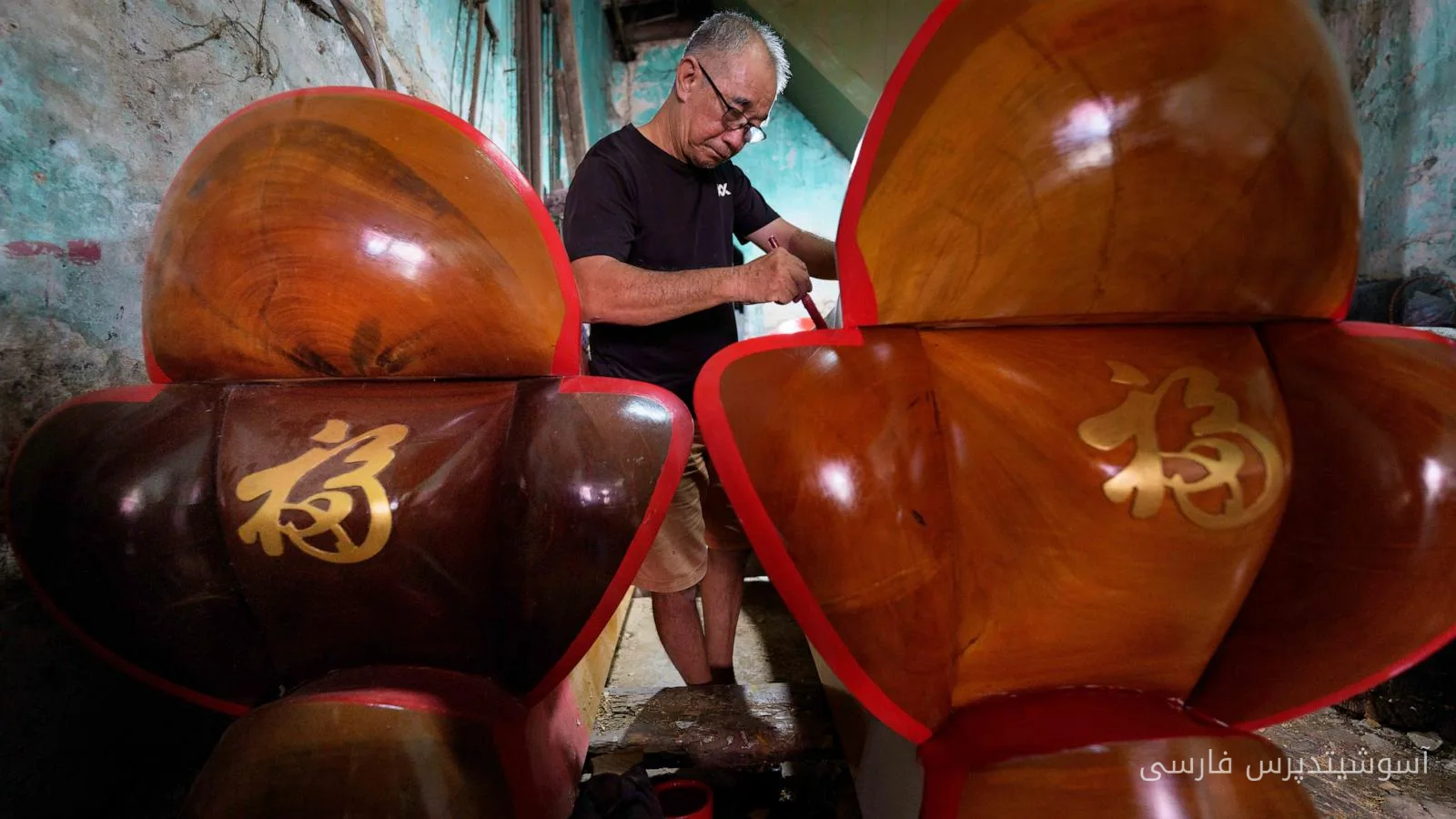
Gu, 69, works with his brother in a small workshop in Muar, located 175 kilometers southeast of Kuala Lumpur. He says, "My father was my teacher" and recalls how he first made a coffin named "Mei Hua" 52 years ago.
Read more: Starship Troopers Director Confirms Nazi-like Influences in Uniforms
Challenges of Preserving Tradition
Handcrafting each coffin requires a lot of time and effort. Years ago, this workshop, with more craftsmen and more orders, could produce up to five coffins a month. But now, Gu and his brother make about two coffins every six to seven weeks.
He says, "In the past, there were no new styles, so people used this type. Now there are various options to choose from." This workshop has long served the Malaysian Chinese community, where coffins are intertwined with traditions related to death and burial.
Cultural Changes and the Future of the Trade
Gu points out that times have changed and there is no one to continue this profession. Chinese beliefs about the afterlife and burial rituals are gradually changing, and cremation is being accepted as a more respectful practice.
Gu, referring to the physical challenges of this work, says: "This job requires physical strength, and some coffins are harder to make than others." He is also concerned about the future of this art, asking: "Do young people want to do this work?"
For each coffin, Gu first sketches its shape on wood with a pencil and then cuts it out. He uses a wood called "Kledang," which is traditionally used in coffin making in the Malaysian Chinese community.
Over the years, the process of making coffins has not changed, and this work has provided him with an income for over five decades.
Read more: Mariska Hargitay Hosts the 2023 Emmy Awards · Japan Protests China's Restrictions on Key Chip-Making Materials Exports
Source: abcnews.com