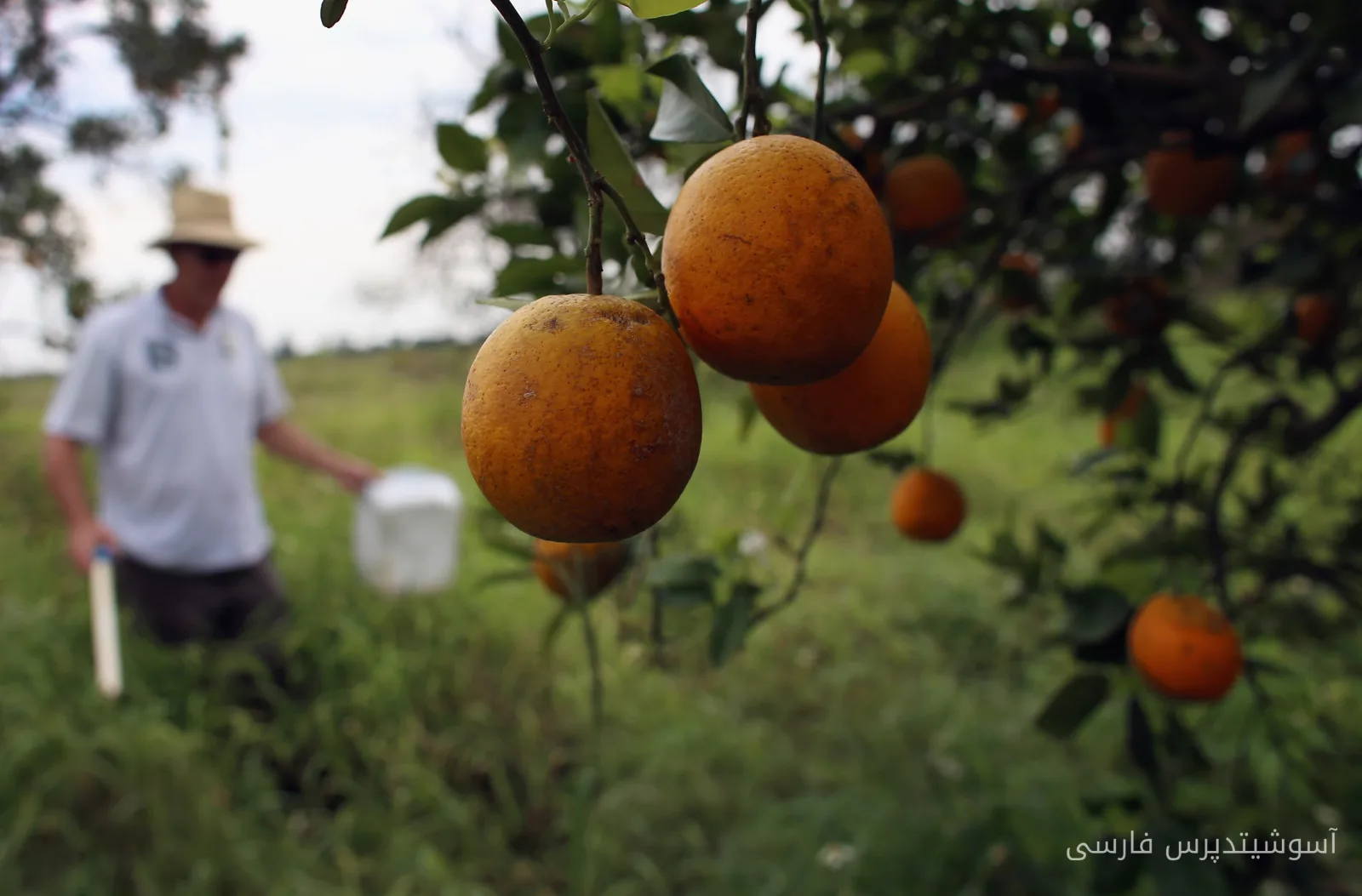
Citrus farmers in Florida are planting new trees that have been genetically modified using gene editing technology to be resistant to the dangerous "citrus greening" disease.
Citrus Greening Disease and Its Impact
Farmers have been trying various methods, including using tents and sprays, to protect their citrus trees from bacterial infection. This disease, which has destroyed a large number of citrus trees in Florida, has led to a severe decline in citrus production in the state. Farmers are now waiting to see if the genetic modifications approved by the Environmental Protection Agency this year can keep the trees alive.
Read more: Reviving Water Supply in the Grand Canyon in a Few Weeks
Development of Gene Editing Technology
Citrus greening disease was first introduced to Florida in 2005 and is transmitted by an insect known as the "Asian citrus psyllid." This insect attacks the trees' immune system, rendering them unable to fight off infections. Infected trees produce bitter and discolored fruit and usually die a few years later. There is no cure for this disease.
The Ron English family in Valrico, Florida, has been in the citrus industry for generations, but greening disease halted their operations in 2015. According to Matt Joyner, CEO of Florida Citrus Mutual, before the disease arrived, farmers shipped about 300 million boxes of fruit each season, while this season only slightly more than 15 million boxes have been shipped.
Tampa-based Soilcea has designed a rootstock that is resistant to greening using CRISPR gene editing technology. This rootstock, known as CarriCea T1, helps the tree's immune system rely less on pesticide toxins.
Yani Lagos, CEO of Soilcea, emphasized that focusing on rootstock is key in combating the bacteria. He explained that while the first signs of greening infection are yellowing leaves, "the root system is dead before symptoms appear."
Initial Results and Future Challenges
Lagos is now waiting to see what happens when the rootstock is grafted onto trees and planted. In a Soilcea test plot, the results have been promising so far. Trees with CarriCea T1 rootstock are taller and greener.
English continues to care for dozens of trees in the test plot that have the modified rootstock. He points to one of the trees and says, "This is the CarriCea rootstock — look how much the leaves have grown. The smaller tree next to it does not have CarriCea T1 rootstock and is smaller with yellower leaves."
The real test for the CarriCea T1 tree will be the fruit, which takes years to reveal itself — not only in terms of growth but also in taste.
Lagos says, "Data shows that this technology will be effective, but until you have a 10-year-old tree, you won’t know how the tree will perform."
Read more: Trump Administration Legalizes Unintentional Killing of Endangered Species · Florida Man on Death Row for Mysterious 'Hog Trail' Murders
Source: npr.org