Bolivia's Congress approved the $1.9 billion loan agreement with the International Monetary Fund on Friday, marking a significant victory for the country's conservative government in its efforts to alleviate Bolivia's deep economic crisis.
Final Approval of the Loan Agreement
The Bolivian Senate confirmed the agreement a day after it was approved by the House of Representatives, removing the last legal hurdle for the three-year financing program. This program aims to bolster dwindling foreign reserves and stabilize the country's ailing economy, which is facing high inflation and weak growth. The International Monetary Fund first announced this agreement in July after months of negotiations with the market-oriented government of Paz.
Read more: Reduction or Blocking of $177 Billion in Federal Aid Under Trump Administration
Potential Consequences and Threats
President Rodrigo Paz, part of a new wave of Latin American leaders aligned with the Trump administration, described the vote as a "historic step" and a "decisive sign of political maturity and economic unity." Economy Minister Christian Morales told senators that this agreement provides greater assurance to other lenders, including the World Bank and the Inter-American Development Bank, and helps the government secure about $5 billion in additional financing.
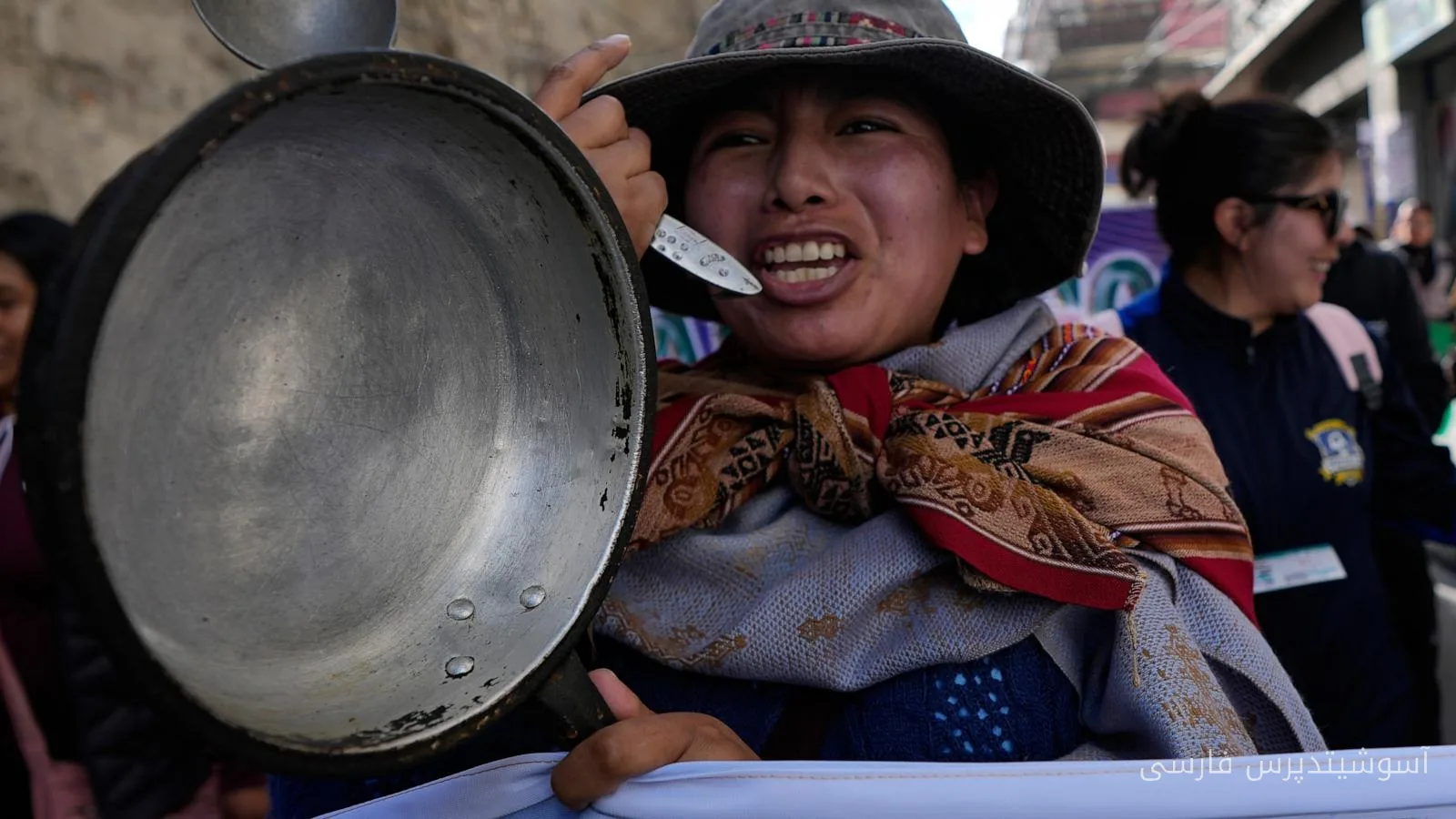
However, the conditions attached to this agreement, including the removal of fuel subsidies, could lead to a resurgence of unrest in Bolivia. In June and July, weeks of road blockades occurred across the country as protesters demanded Paz's resignation. Congress extended the state of emergency for another 90 days on Thursday, allowing Paz to use military force in emergencies and suspend certain civil liberties.
The Bolivian Workers' Center, the country's main labor federation, and other unions have strongly opposed the IMF loan, warning that cuts to government spending will lead to increased living costs and exacerbate problems for struggling families. In recent months, Paz has reduced fuel subsidies and announced plans to eliminate them entirely by January.
While Paz's Christian Democratic Party does not hold a majority in Congress, moderate and right-wing lawmakers who dominate both chambers supported the agreement. The Movement for Socialism party, which dominated Bolivian politics after Evo Morales's victory in the 2005 presidential election, now holds only two seats out of 130 in the House of Representatives and none in the 36-seat Senate.
Declining natural gas exports have deprived Bolivia of the dollars needed to import gasoline and diesel, leading to chronic fuel shortages under Paz's management since 2023. Paz has promised to redirect subsidy costs towards oil and gas exploration and production.
Paz said on Friday, "We are finalizing vital agreements for Bolivia" and warned that difficult decisions lie ahead as the Iran war drives up global fuel costs. "International prices force us to make complex choices."
Read more: Bank of Japan Raises Interest Rate to 1.25% · Increase in American Household Incomes Above Pre-Pandemic Levels
Source: abcnews.com