The Trump administration has started building the border wall in a section of the Big Bend area in West Texas. This construction start is considered the first significant step in the government's $46 billion plan to install walls, barriers, roads, and new technologies along the U.S.-Mexico border.
Details of Wall Construction
The U.S. Customs and Border Protection (CBP) announced that the installation of border wall panels is underway in a 47-mile area of Hudspeth County in Texas, known as Big Bend 1. This area includes five project zones that collectively cover about 500 miles of the Big Bend region.
Read more: Taiwan Conducts Military Exercises with Missiles and Drones
The agency did not provide details about the timeline for the installation of the panels, but a map showing updates on wall construction at the southern border depicts a photo of a crane installing one of the wall panels at a height of 30 feet.
Opposition and Challenges
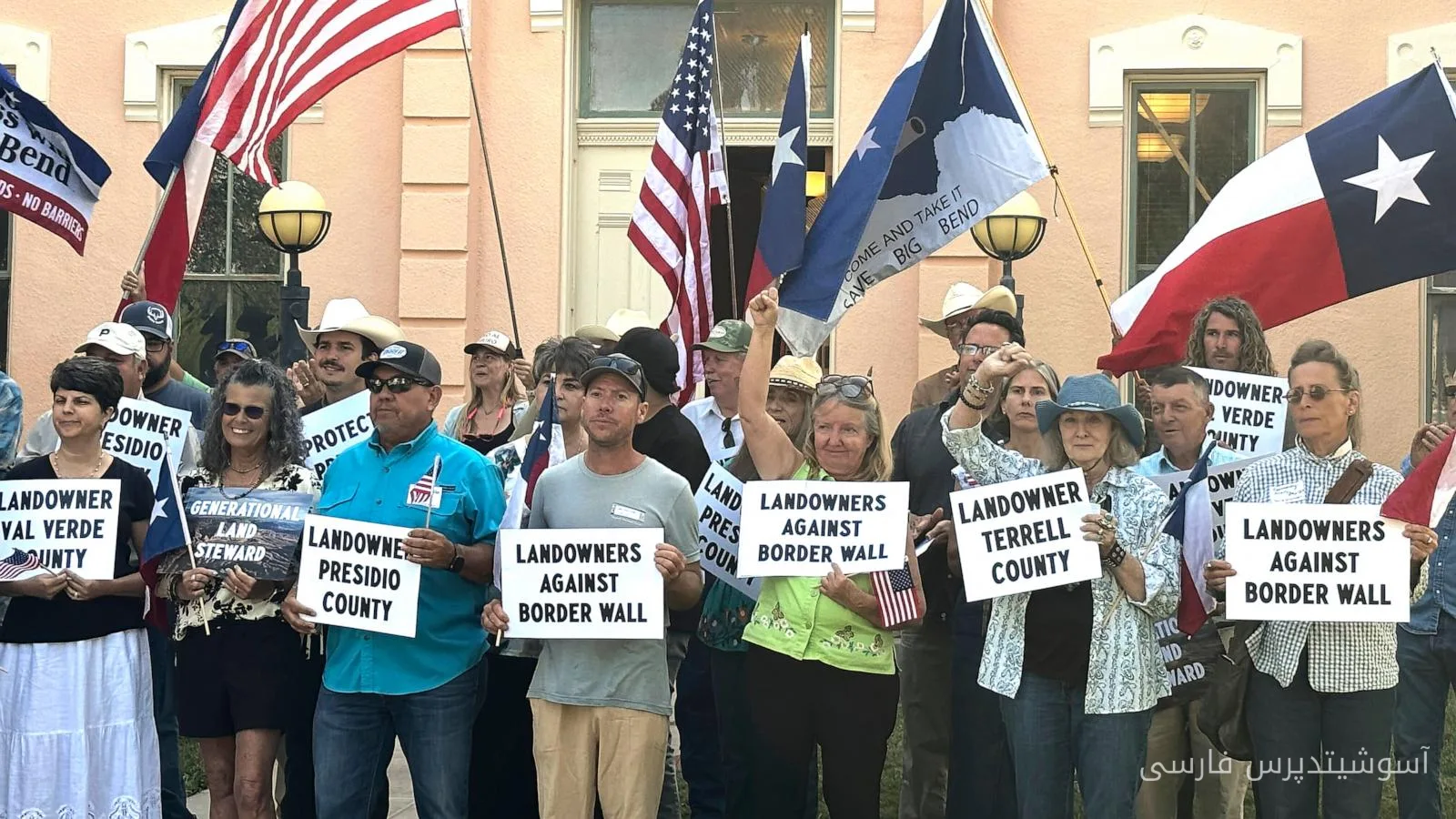
This new activity is separate from border infrastructure projects in Big Bend National Park, where construction has been temporarily halted. In the broader Big Bend area of Texas, CBP has faced serious opposition from landowners, environmental groups, business owners, and ranchers who believe this area is insignificant in terms of illegal immigration traffic.
Activists have stated that they will continue their opposition to border infrastructure projects throughout the rest of the Big Bend region. Clara Benson, one of the founders of the "No Big Bend Wall" coalition, said in an interview that the organization has received reports of trucks moving toward the remote area along the Rio Grande River, and contractors are preparing the land for material transfer.
Benson further stated that this coalition and other groups will continue to fight against wall construction plans across the region, adding: "We will continue to fight for this land, no matter the outcome. People in West Texas say that even if they build the wall, we will fight to tear it down. So this fight is not over."
This news comes as the government is attempting to cover the entire border with a combination of 30-foot cylindrical walls, barriers designed to prevent vehicles from crossing, and various technologies to deter and detect migrants or traffickers.
CBP has announced that it is constructing an average of 12 miles of barriers per week along the 2,000-mile border with Mexico and has recently reached a milestone of 200 miles of new barriers built since the start of Trump's second presidential term.
The average of 12 miles per week is double the rate that CBP Chief Rodney Scott referenced earlier this year. The agency is facing opposition from environmental groups, small towns concerned about flooding caused by the wall, Native Americans who say construction harms their sacred sites and lands, and landowners who claim construction damages their properties.
In Texas, most opposition has focused on CBP's plans for Big Bend National Park, while around the river outside the park, much of the land is owned by private landowners, many of whom have resisted government efforts.
Earlier last week, a group of landowners, ranchers, and business owners in the Big Bend area, along with a non-profit organization dedicated to preserving the landscape and heritage of the area, filed a lawsuit against the government's plans. Activists and landowners have also attended county meetings to urge their elected officials not to cooperate with contractors hired by CBP to build the wall, and many landowners have refused to allow government officials or contractors onto their land for inspections.
Read more: Republicans in Congress Did Not Review the Iran War Under Trump's Leadership · Arch Manning Apologized
Source: abcnews.com