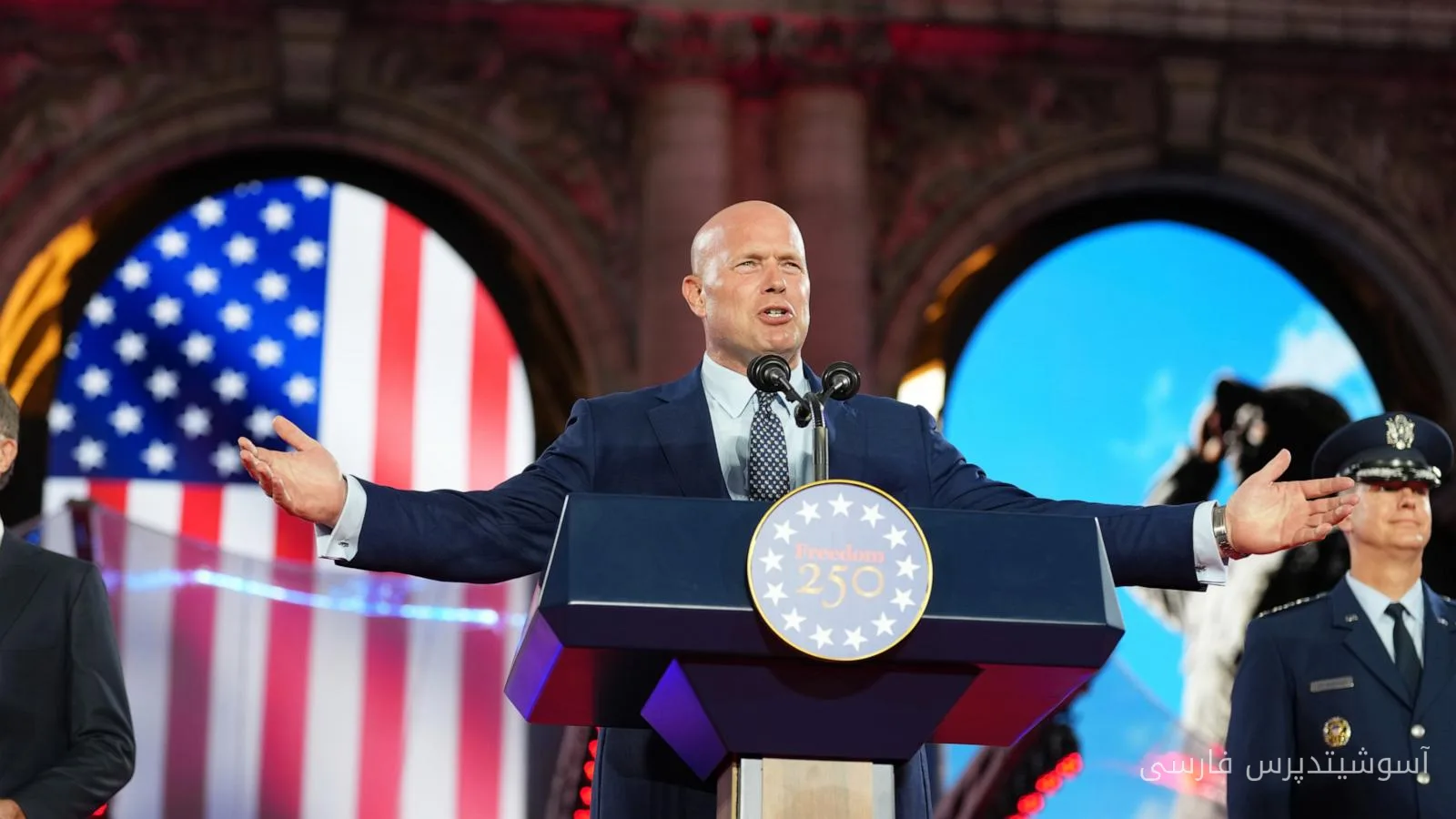
The United States Ambassador to NATO, Matthew Whitaker, reiterated his country's criticisms of the Czech Republic at a defense conference in Prague, stating that the country has failed to allocate sufficient funds for defense.
Criticism of Insufficient Progress
Whitaker said, "It is disappointing to see that the Czech Republic is not making more progress in fulfilling its defense commitments." He emphasized that the Czech Republic is moving towards the lowest tiers of NATO in terms of defense spending.
The US Ambassador also mentioned his meeting with Andrej Babiš, the Prime Minister of the Czech Republic, saying, "There have been small successes, but certainly more needs to be done."
Defense Budget and NATO Commitments
Lawmakers associated with the Babiš government approved a budget in March that allocates less than 1.8 percent of the country's GDP for defense. This approval came as Petr Pavel, the President of the Czech Republic and a retired general, called for an increase in the defense budget to meet NATO commitments.
Whitaker also warned the Czech Republic in a post on X: "All allies must fulfill their duties and respect the commitments made. These numbers are not random. They reflect the need to respond to current conditions — and conditions require 5 percent as a standard. There are no excuses, no way out."
In response, Babiš promised on Friday that defense spending would reach 2 percent of GDP next year.
NATO members agreed in 2014 to spend at least 2 percent of their GDP on defense, and it was expected that all members, including the Czech Republic, would meet this goal last year.
At last year's NATO summit in The Hague, NATO members, under pressure from the Trump administration, agreed to invest 3.5 percent of GDP for core defense needs and an additional 1.5 percent for defense and security-related expenditures by 2035.
Babiš returned to power after the decisive victory of the ANO party in the October elections. This party formed a governing coalition with two smaller political groups, whose agenda includes reducing support for Ukraine and rejecting some key European Union policies.
The Freedom and Direct Democracy Party, which is anti-immigration and part of this coalition, has called for a reduction in the defense budget for next year. Finance Minister Alena Schillerová recently stated that she currently considers the 5 percent target "unrealistic."
Source: abcnews.com