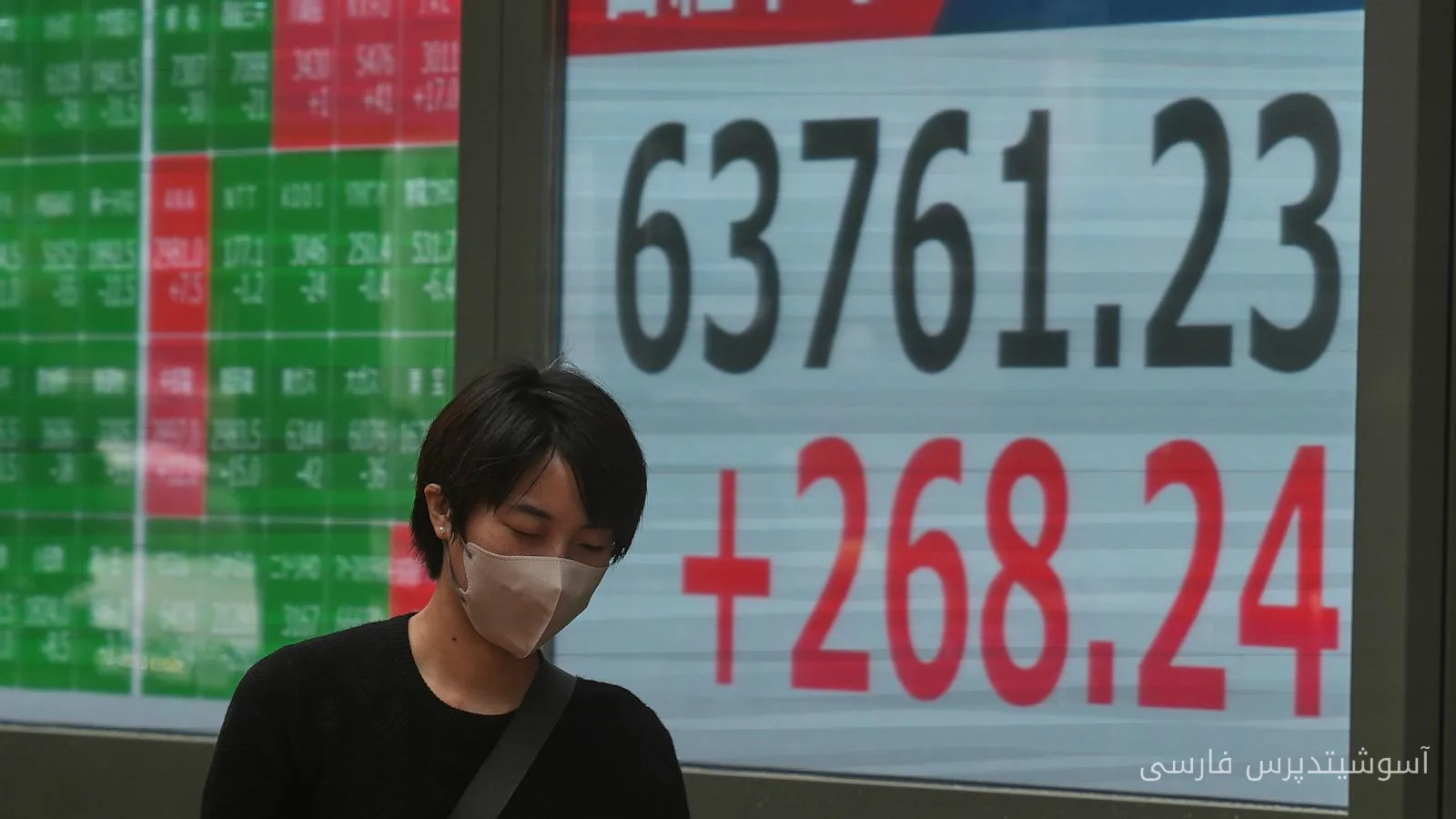
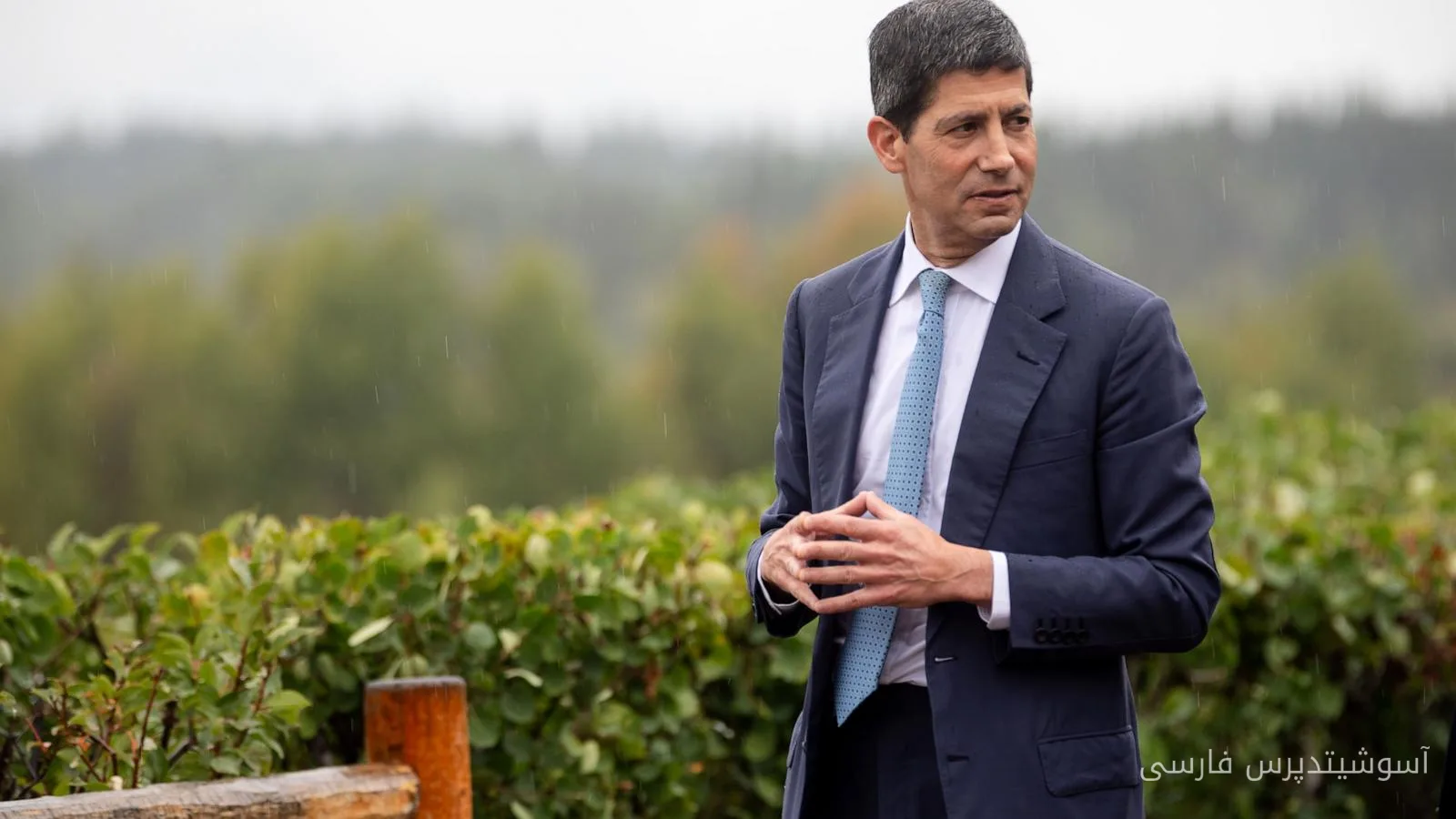
The CEO of Chubu Electric Power Co., Japan's third-largest electricity supplier, announced that he and the Chairman of the Board would resign due to the manipulation of earthquake safety data for nuclear reactors No. 3 and 4 at Hamaoka, and the company would cancel its requests for the restart of these reactors.
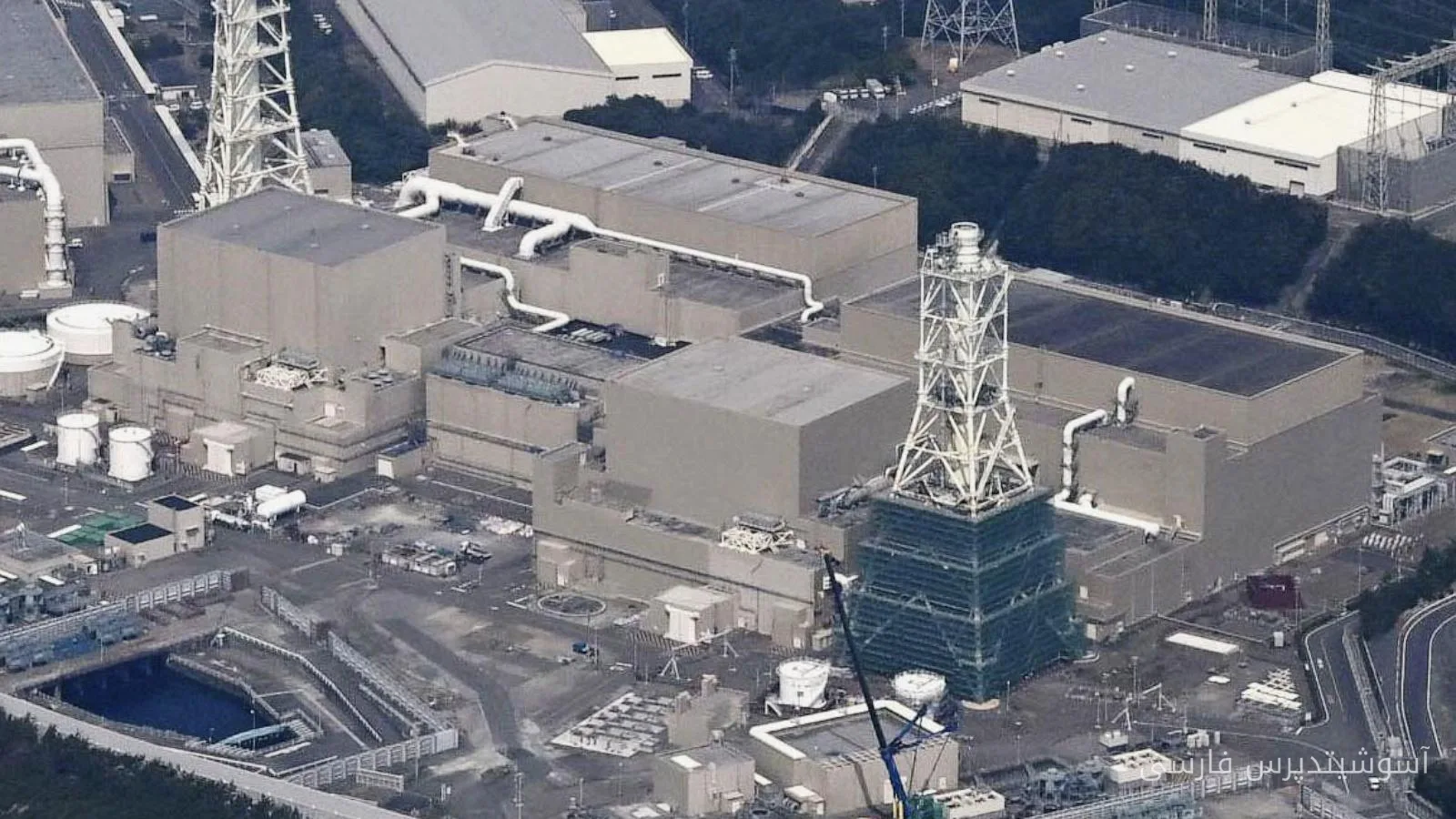
Fake Data and Accountability
This announcement comes at a time when the government of Prime Minister Sanae Takahashi is accelerating the restart of nuclear reactors due to rising energy costs and pressure to reduce carbon emissions. Kingo Hayashi, CEO of Chubu Electric, stated that an independent investigative panel found that the company had manipulated earthquake data for reactors No. 3 and 4 at Hamaoka for years to ensure the numbers met requirements.
Read more: London Faces E-Bike Crisis: 3,000 Bikes Seized
Cancellation of Restart Requests
Given serious questions about the validity of safety data, the company decided to withdraw its pending requests for the restart of these two reactors. Hayashi added, "We have faced serious problems in corporate culture and governance. Restoring public trust is our top priority." Hayashi and Satoru Katsuno are not directly linked to the data manipulation, but senior management had emphasized early resumption as a key business goal and severely penalized the team working on the restart approval due to delays in reviews.
The two executives will officially resign from their positions on September 30, and Minoru Yasui, who is currently a director, will be appointed as the new CEO on October 1.
Chubu Electric had requested safety reviews to resume operations at reactors No. 3 and 4 at Hamaoka since 2014 and 2015, but the Nuclear Regulation Authority suspended its reviews in December after months of internal investigation based on a whistleblower's report.
Two other reactors at this plant are being decommissioned, and one-fifth is inactive. This plant, located about 200 kilometers (125 miles) west of Tokyo, is situated in a coastal area known for potential hazards from major Nankai earthquakes. Hayashi also stated that nuclear energy remains an important energy source, and the company will submit new requests to resume reactors No. 3 and 4 after implementing preventive measures and renovations.
Public opinion on nuclear energy in Japan remains divided due to safety concerns following the Fukushima Daiichi reactor meltdowns in 2011, although public acceptance has gradually increased due to rising fuel costs from regional crises.
According to the Nuclear Regulation Authority, out of a total of 54 commercial reactors in Japan, 11 are currently active, 20 are inactive, and over 20 others are being decommissioned.
Read more: Oil Prices Rise Nearly 3% After New Attacks on Saudi Arabia · Japan Seeks Change in UN's New Global Map Due to 'Misunderstanding' About Russia
Source: abcnews.com