Heidi Fernandez, an emergency medical technician at a New York ambulance station, faced a lack of private space for breastfeeding when she returned to work three months after giving birth. She had to pump her milk next to the lunch table while her colleagues were not eating.
Concerns About Job Consequences
One day, the CEO of the private ambulance company she worked for unexpectedly visited the station and introduced himself to Fernandez while she was breastfeeding. Fernandez said, "This was his first impression of me, and I was horrified." She was worried that this awkward exchange might affect her career prospects.
Read more: Maria Franco referred to reconstructing memories to boost self-esteem
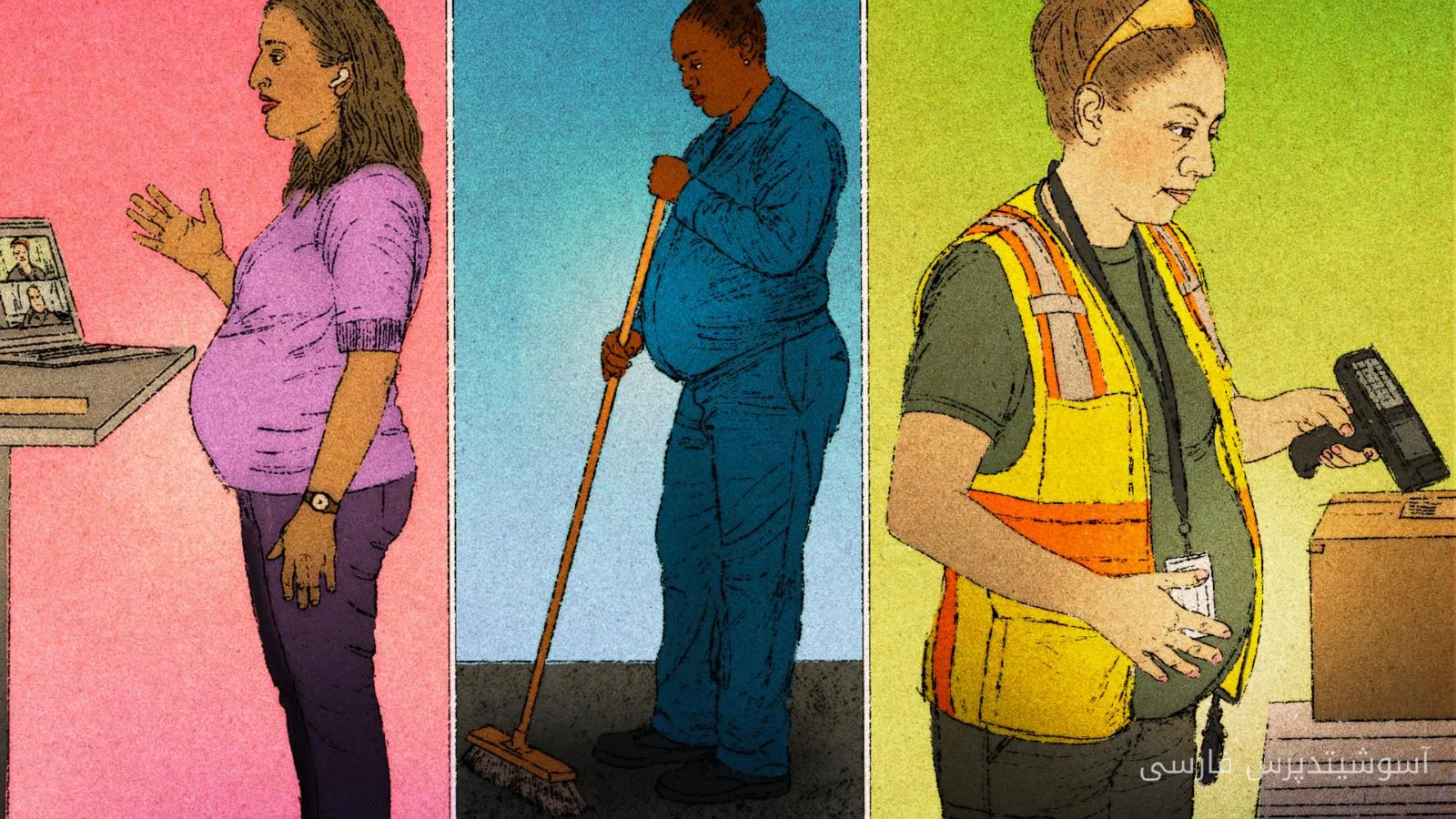
Many women face discrimination during pregnancy and after childbirth, despite state and federal laws designed to protect them. This issue causes pregnant employees and new mothers to worry about how their hiring managers or current employers will perceive them if they disclose their pregnancy or request job modifications.
New Laws Supporting Pregnant Women
According to a law passed in June 2023 in the United States, employers with at least 15 employees are required to provide appropriate health and safety accommodations for pregnant and newly postpartum employees. The "Pregnant Workers Fairness Act" gives women the right to request various changes in their workplace, including assistance with physically demanding tasks, flexible scheduling for medical appointments, and reduced exposure to hazardous chemicals.
This law also supports women who are trying to conceive and those facing medical conditions such as severe nausea and vomiting. According to the president of the nonprofit organization "Better Balance," this law also ensures that breastfeeding mothers have break times and private space other than a restroom for their breastfeeding needs.
Deciding when to inform a manager or potential employer about a pregnancy is one of the first considerations most women must pay attention to. Experts say that pregnancy discrimination is still a harsh reality in the workplace, and pregnant employees must proceed with caution.
Read more: Dr. Nicole Saphier supported children's vaccines at the Senate confirmation hearing
Source: abcnews.com