The United Nations has warned about the AIDS epidemic in the Democratic Republic of the Congo (DRC) and stated that this epidemic is still "deadly and large." Julian Harnis, the UN Special Coordinator for AIDS, announced that although there are signs of a decrease in some areas, it is still too early to say that the epidemic has peaked.
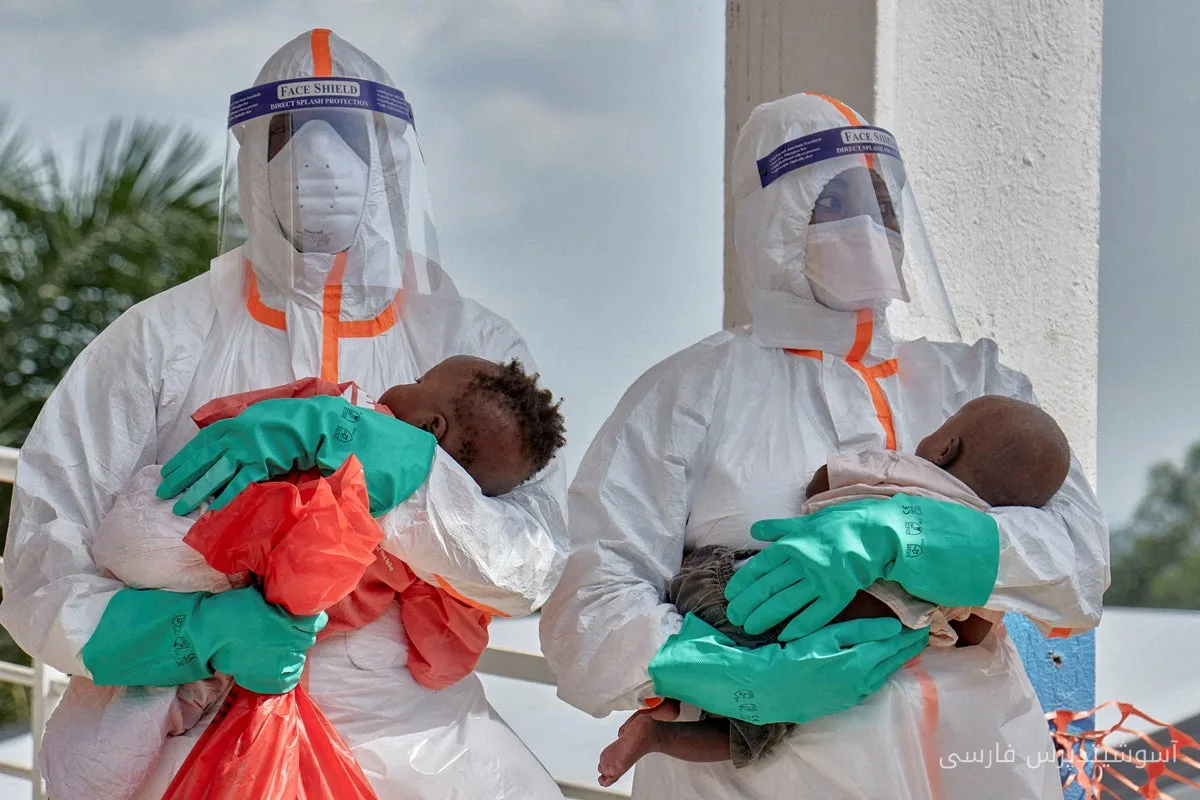
Epidemic Status
The Congolese government has reported a daily decrease in new cases, with the number dropping from about 120 at the peak of the epidemic in mid-August to around 80. Additionally, 10 out of 62 affected health zones have reported no new cases for over 22 days. However, the virus continues to spread to new areas, and cases have now been reported in seven provinces. In North Kivu, where conflicts are currently ongoing, infections are rapidly increasing.
Read more: Tatiana Ali is working to improve the health of Black and Indigenous mothers
Challenges Ahead
Olivier Le Plen, Head of Epidemiology and Analysis for the World Health Organization (WHO) health response programs, stated that "it is still too early to confidently say that we have passed the peak of the epidemic." He also mentioned that full control of this epidemic will take months and requires significant support.
Many experts are particularly concerned about North Kivu, where new cases continue to rise. Health professionals stationed in the Democratic Republic of the Congo have described the situation there as "alarming," citing insecurity, high population density, and population displacement.
This epidemic has claimed the lives of at least 3,510 people and infected 7,258, making it the deadliest AIDS epidemic in the Democratic Republic of the Congo. It is also the second deadliest epidemic in history after the West Africa epidemic from 2014 to 2016, which resulted in 11,000 deaths.
Soud-Ubangi province in the northwest of the Democratic Republic of the Congo became the seventh province to report AIDS cases last week. The virus was transmitted to this province by a 23-year-old man who had extensive travel within the country and neighboring countries.
Efforts to control this epidemic, announced on May 15, have faced challenges due to funding shortages and a significant reduction in international aid over the past 18 months. This epidemic is caused by a rare strain of the Bundibugyo virus, and currently, no vaccine or specific treatment for this virus has been approved, although clinical trials are underway.
One of the efforts to stop the spread of the virus involves using anonymous mobile phone data to predict potential locations for the virus's spread. This data is used to track population movements and identify areas where the virus may spread, highlighting the difficulty of controlling an epidemic that is partly related to widespread displacements among communities.
Read more: The UK Parliament is on the verge of a landmark decision on assisted dying · Netanyahu; a tense trip to New York amid a crisis
Source: independent.co.uk