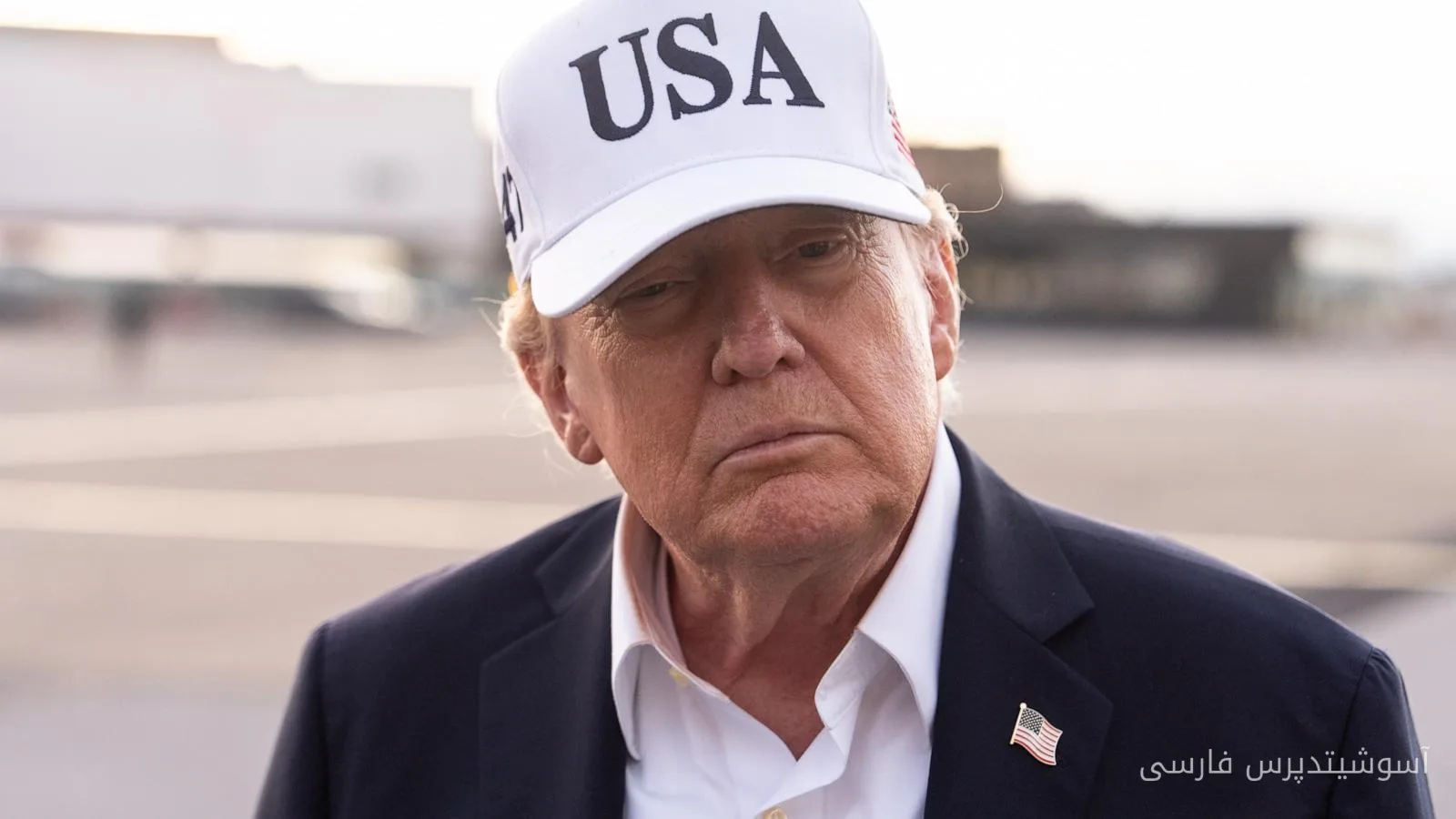
Technologists are increasingly warning about the potential dangers of artificial intelligence, but political inaction in Washington has turned this issue into a challenge for the federal government. President Donald Trump is recognized as the main opponent of these requests from technology leaders, including Dario Amodei from Anthropic, Sam Altman from OpenAI, and Elon Musk from xAI.

Political Response to Requests
President Trump on Monday dismissed efforts to limit technology as a "conspiracy." Other prominent Republicans, including J.D. Vance, the Vice President, have expressed caution. House Speaker Mike Johnson has largely left the matter to the White House.
Read more: Senate to OpenAI: We are concerned, AI is getting out of control!
At the same time, Democrats are calling for a stronger response and discussed artificial intelligence in a private meeting in the House on Tuesday. Senator Bernie Sanders from Vermont has invited his colleagues for a briefing with experts on Wednesday. Top candidates this year, such as Senator Jon Ossoff from Georgia, are calling for broad actions in Washington.
Existing Challenges and Disagreement
These conflicting responses reveal a deep mismatch between the technology sector, which warns about the existential threats of artificial intelligence, and a government that is largely facing intense partisan and electoral pressures. Max Stier, president and CEO of a nonpartisan organization, said, "The signals we are getting from our political leaders do not reflect the understanding of the crisis we are in. Delays in this area will be very costly."
While lawmakers on both sides agree that more protections are needed, narrow efforts at regulation have also failed. Senator Mark Warner from West Virginia said, "We never do anything until a crisis moment occurs."
However, following requests from technology leaders for increased oversight, John Thune, the Senate Majority Leader, announced that he spoke with Senator Amy Klobuchar about the "path forward" last night. Senator John Kennedy also intends to propose a "kill switch" on Wednesday that would require the ability to turn off systems if necessary.
As the November elections approach, any rapid movement on legislation seems unlikely. Johnson in the House appears to be pessimistic about the possibility of a legal response and has instead called for Trump to invite technology leaders for a meeting.
Read more: Little Mercury is shrinking faster than expected! · Call for tax on self-driving cars: Is the job market at risk?
Source: abcnews.com