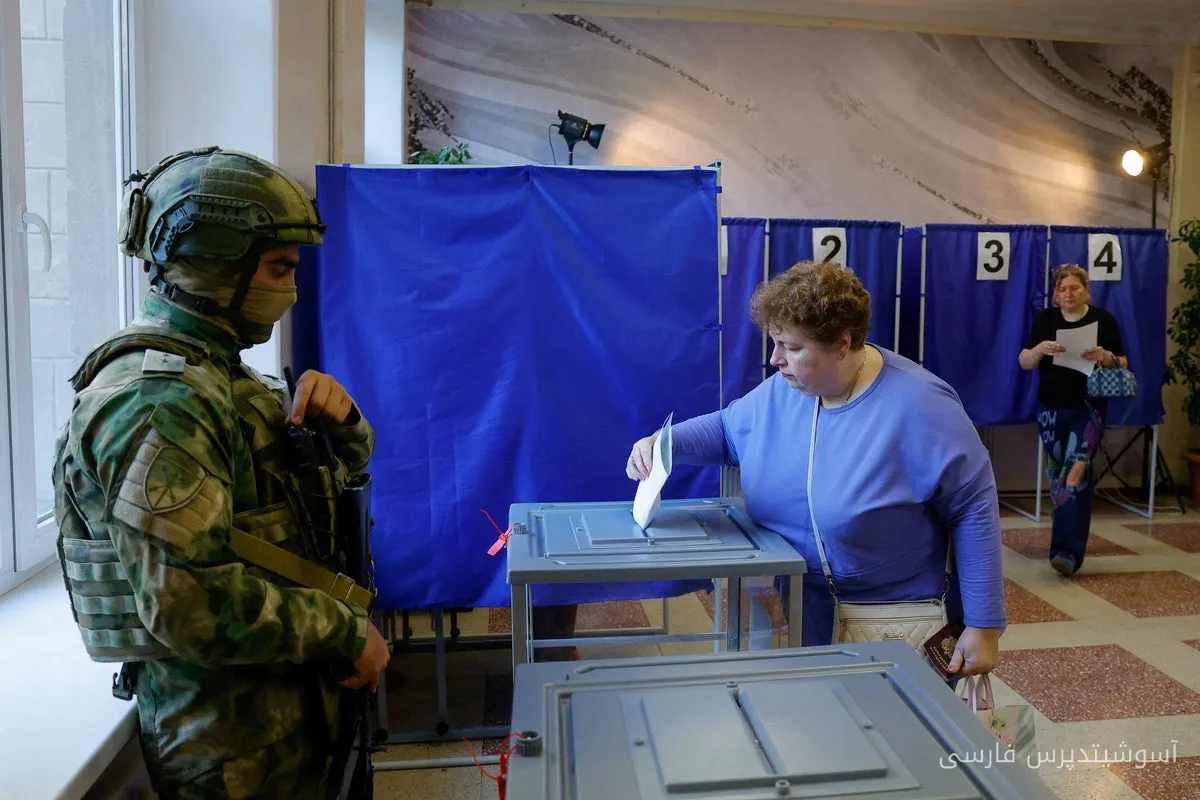
The Russian parliamentary elections are taking place as the country faces a fuel crisis, increasing war casualties, and a declining economy. Nevertheless, it is anticipated that representatives of the United Russia party led by Vladimir Putin will win these elections, and with over 300 seats in the Duma, they will be able to rewrite the constitution.
Trump's Role in Putin's Victory
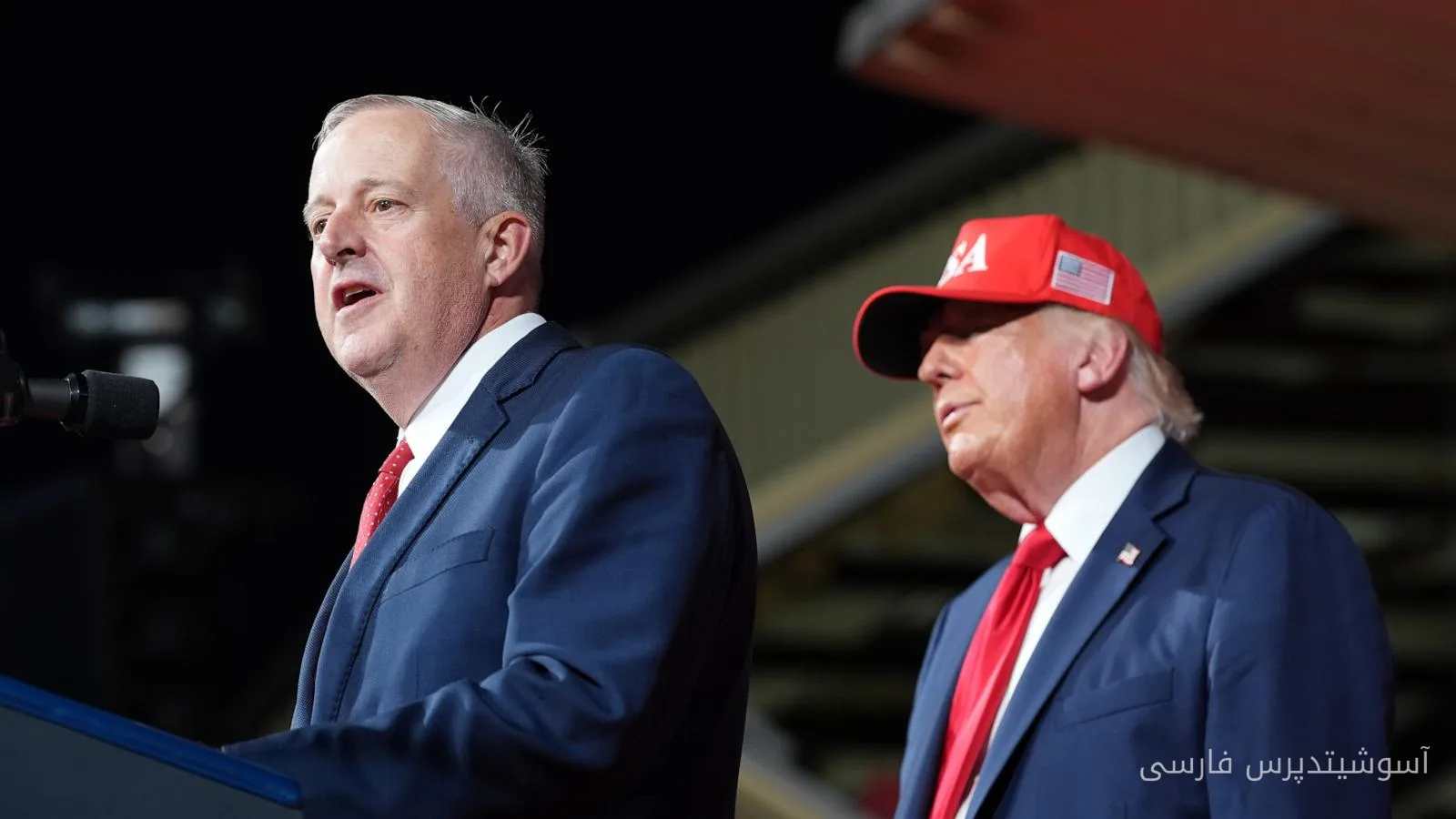
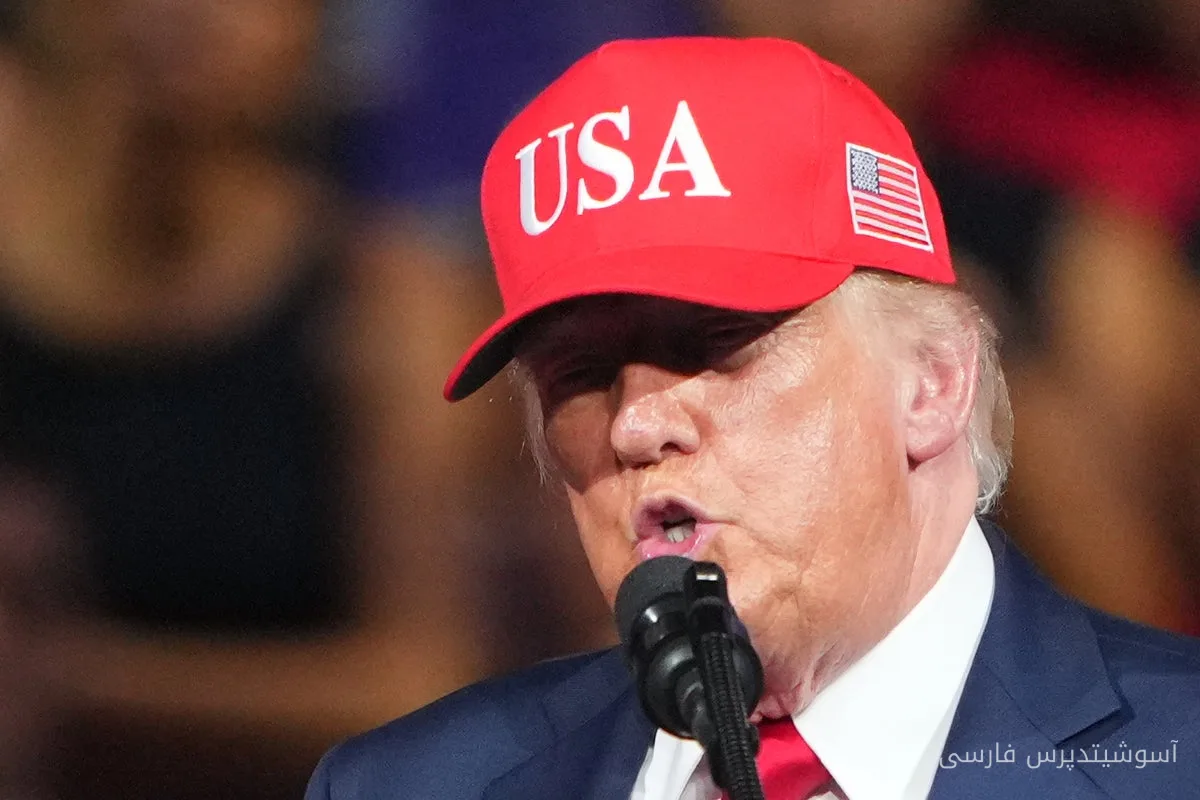
Vladimir Putin will owe this victory to Donald Trump, the President of the United States. Trump has indirectly assisted Putin by reducing military aid to Ukraine and supporting Russia's positions in peace negotiations. Additionally, he has inexplicably ignored Russia's support for Iran in the war against Tehran.
Read more: Trump threatens to destroy the Kennedy Center amid legal battle
Putin is so powerful that he is not even a member of the United Russia party. To prevent any dissenting voices in the Duma, independent candidates have been removed from registration before the elections.
Pressure on Independent Candidates
Boris Nadezhdin, one of the independent candidates who launched an anti-war campaign in 2024, was introduced as a "foreign agent" after gathering 100,000 signatures for his candidacy in the Duma and was banned from collecting more signatures. He was soon detained and fined for publishing a photo of Alexei Navalny, the opposition leader who was poisoned in a Kremlin prison.
Nadezhdin ultimately decided to flee Russia due to the risks for his supporters and is now living in exile.
The independent polling center Levada reported in its August survey that 76% supported Putin's performance while 18% opposed it. Additionally, 56% of respondents believed that Russia is on the right track, while 27% disagreed.
Polls under a harsh dictatorship that has attacked its neighbors may be distorted due to security concerns. Speaking the truth at home could lead to a deadly fall from a balcony.
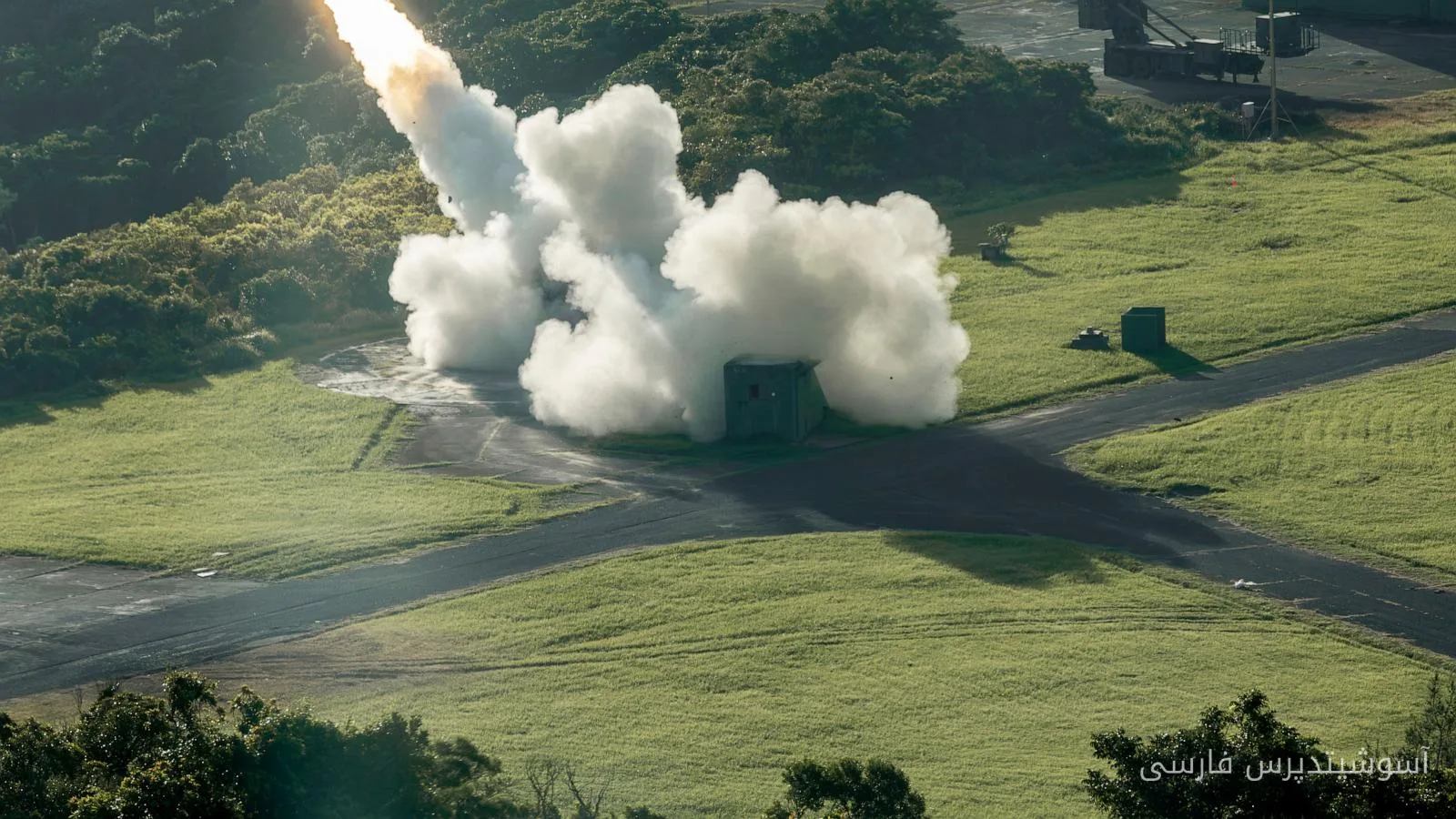
However, recent polls indicate the pain felt by the Russian people due to the war in Ukraine. Kyiv has conducted effective missile attacks, targeting 50% of Russia's oil refining sites.
The Levada Center reported that 55% of respondents stated that the gasoline shortage has made their lives more difficult, and 32% said that this shortage has severely complicated their lives. Discontent has been particularly high among poorer Russians, younger individuals, and those who have previously criticized Putin.
Putin's approval rating has fallen below 80% for the first time, but this decline has only been about 8%. While support for Putin appears to be decreasing, a collapse is not observed.
Russia's economic growth has been limited to about 1 to 1.3% in 2026, while war expenditures had contributed to growth of over 4% in 2023-24. The economy is divided into two sectors: a military-industrial sector that is expanding and a civilian economic sector, particularly small and medium enterprises, that is in recession or decline.
Putin has used the National Wealth Fund, Russia's foreign currency reserves, to finance his war. However, this fund is decreasing. Before the invasion of Ukraine in 2022, it had $113.5 billion in cash assets, while it has now fallen to $50 billion or less.
The Israel-U.S. war against Iran has driven up oil prices and benefited Russia at a time when Ukraine is trying to push the Kremlin out of the war.
A bill that has passed both houses of Congress is now on Trump's desk, aimed at reducing Putin's benefits and undermining his secret fleet of oil tankers. This bill also allows Putin to impose broad sanctions against China and India, the largest importers of Russian oil.
The White House has yet to clarify whether Trump will sign this bill into law. It is unlikely that he will increase pressure on his friend in the Kremlin while Putin is openly threatening Europe and Britain.
Read more: Malawi police kill four suspects in operation to rescue a British woman · BRICS summit with Narendra Modi and Vladimir Putin in India
Source: independent.co.uk