The increase in crispiness and stickiness of popular foods has become an interesting and noteworthy topic in recent years. These changes not only affect the consumer experience but can also lead to significant changes in dietary habits and consumer choices.
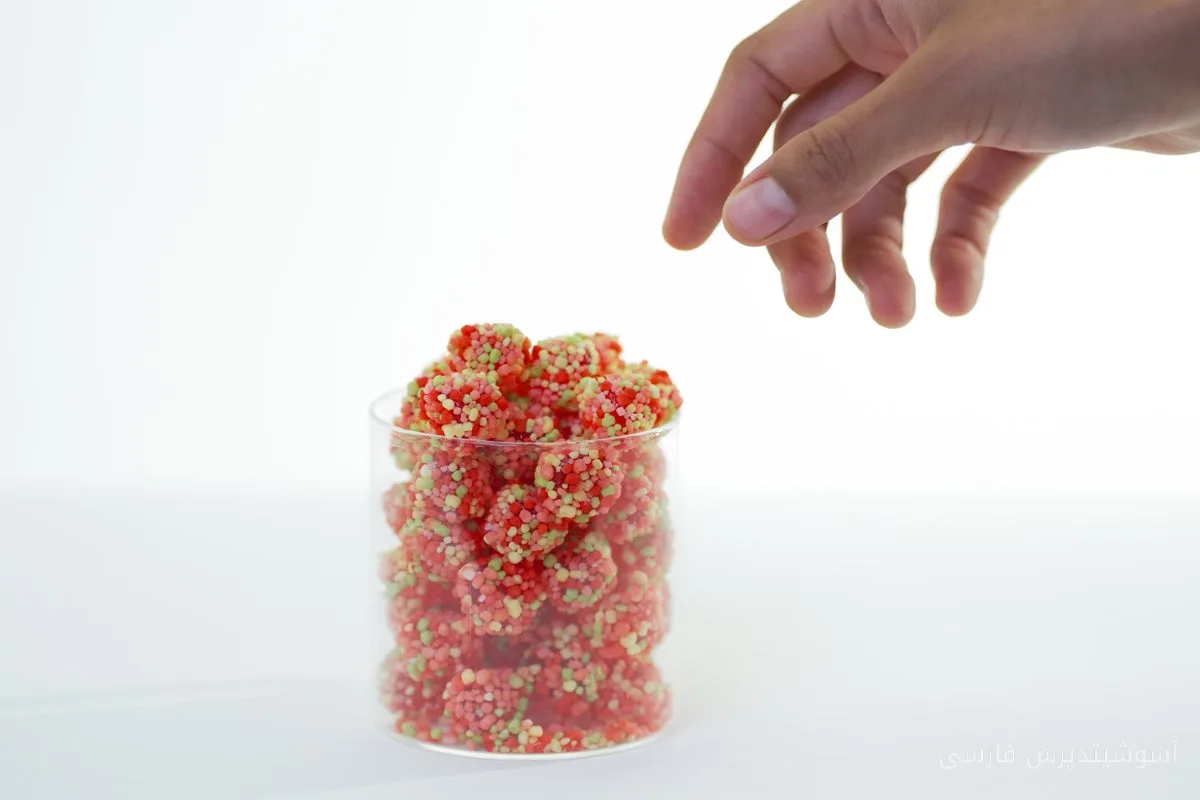
Reasons for Changes in Food Compositions
Food producers are striving to provide a better experience for consumers by making changes to product formulations. In this regard, several key factors include the use of new raw materials, cooking techniques, and changes in production processes. For example, the use of modified starches and vegetable oils can help increase the crispiness and stickiness of foods.
Impact on Dietary Habits
Changes in the texture of foods can have profound effects on people's dietary habits. For instance, increased crispiness in fried foods and stickiness in baked goods may attract more customers and alter purchasing patterns. These changes may be particularly noticeable among youth and children, as they seek new and more engaging experiences.
Many consumers are looking for new flavors and textures, and these changes can help capture their attention. At the same time, these changes can lead to concerns about chemicals and food additives. Some researchers believe that the use of additives may harm consumer health, highlighting the need for closer monitoring of food compositions.
Economic Consequences
From an economic perspective, changes in food textures can lead to increased competition in the food industry. Companies are turning to producing new products and improving the quality of existing products to attract more customers. This competition can lead to more innovations in the food industry and also strengthen local markets.
In conclusion, changes in food textures not only affect the consumer experience but can also have significant economic and social consequences. This topic requires further attention and examination to properly assess its positive and negative effects.
Source: independent.co.uk