Russia is conducting its first parliamentary elections since the full-scale invasion of Ukraine over four years ago. These elections are being held amid sharply declining approval ratings for Vladimir Putin, increasing casualties on the front lines, and minimal territorial gains in this prolonged war.
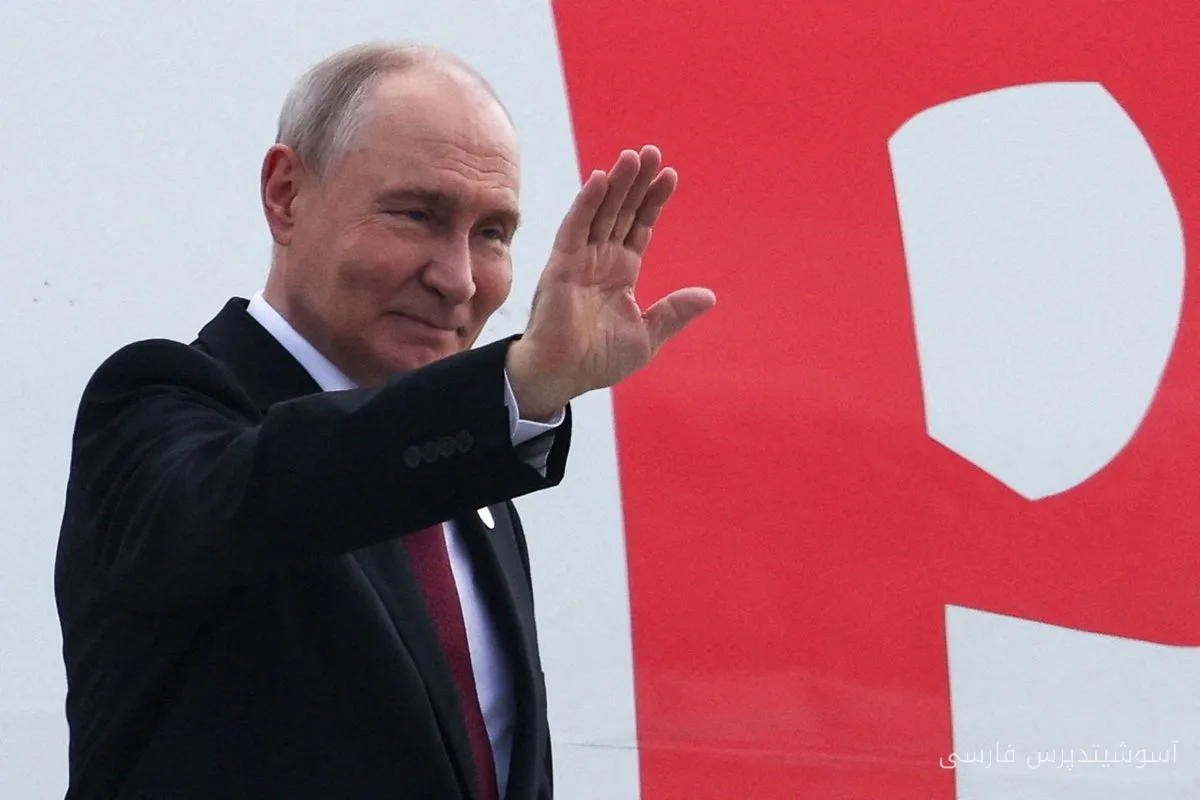
Expectations from the Elections
The country's electoral system is heavily controlled, and the United Russia party is expected to maintain its majority in the State Duma, which consists of 450 members. This party currently holds 310 seats and must secure at least 300 seats to retain its absolute majority. Polls released before the elections indicate that the United Russia party has 37 percent of voter support, while the Communist Party ranks second with 11.6 percent. The elections will take place from September 18 to 20.
Read more: Philadelphia police ignored a man in the street, and another driver ran him over
Impact of War on Society and Politics
Other opposition parties, including the Liberal Democratic Party of Russia and Yabloko, have been banned from the elections due to a ruling by the Supreme Court. However, signs of weakness in Putin are evident, especially with the acknowledgment that Ukraine's attacks on energy infrastructure have been unprecedented and have had a greater impact than anticipated.
The Institute for the Study of War has reported that "Ukrainian forces have kept Russian forces' gains to nearly zero since March 2026." The report also noted the Kremlin's efforts to persuade the United States to pressure Ukraine into ceding territories that Russian forces are unable to capture on the battlefield.
Support nationwide has decreased, with Putin's approval ratings dropping by 12.2 percent between late December and late April, reaching 65.6 percent. On Tuesday, the Kremlin proposed a softer approach, stating that Donald Trump's suggestion for a ceasefire with Ukraine focused on energy goals is a "good idea."
John Love, head of foreign policy at the Eurasia New Strategies Center, stated that "he [Putin] believes he is winning and that the advances are because Russia is not only fighting Ukraine but is also engaged with a significant portion of NATO." He also emphasized that "Putin has no reason to stop, as it would be seen as a sign of weakness and could provoke a reaction from 10 to 15 percent of the society that is strongly supportive of the war.
So far, nearly 500,000 Russians have lost their lives in this conflict, with total casualties reaching 1.5 million. Limited progress on the battlefront could lead to further mobilization of forces after the elections, but support for mandatory conscription has dropped from 24 percent in early 2023 to 11 percent in 2026.
Love also added: "The Russian army continues to suffer about 30,000 casualties each month. This army can recruit the same number, but this is not enough to replace soldiers who have been serving for a year or more.
Reports indicate that men of conscription age are leaving the country to prevent a new wave of mobilization. The Kremlin is likely to try to increase troop numbers by encouraging students to sign contracts.
Read more: Rodrigo Duterte appears at The Hague court · Russia will celebrate the near killing of Boris Johnson
Source: independent.co.uk