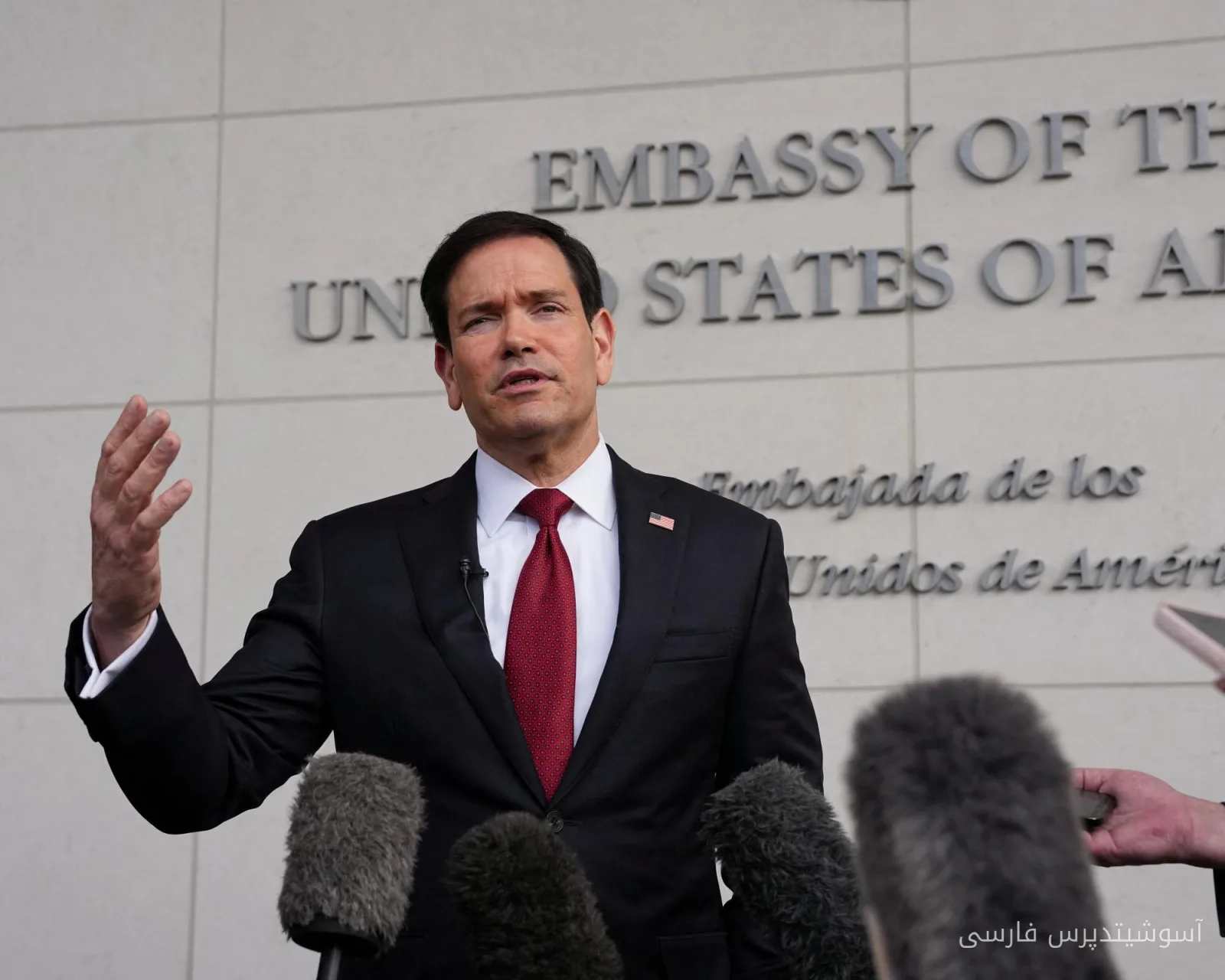
Following significant changes in strategy, Marco Rubio, the U.S. Secretary of State, recently announced in Ecuador that the United States will continue to work closely with allied countries to combat drug trafficking. This announcement comes as the U.S. has unilaterally carried out deadly attacks against individuals it labels as "drug terrorists."
U.S. Shift in the War on Drugs
During this visit to Ecuador, Rubio emphasized the importance of international cooperation and stated that the Trump administration seeks to align with the laws of allied countries. This shift in approach reflects a more comprehensive strategy against drug trafficking, especially in international waters where traffickers seek to exploit.
However, he clearly stated that even within the framework of these collaborations, military actions, including attacks on suspected boats, will remain on the agenda. These concerns arise as three people have lost their lives in a recent attack on traffickers' boats, an incident that has once again drawn attention to the dangers of such operations.
Will the War on Drugs Come to an End?
While the U.S. government seeks to promote international cooperation, there are many questions about the effectiveness of this new approach and its impact on the security and social conditions of countries in the region. Can these changes help reduce drug trafficking and improve security conditions, or are they merely a way to justify further military actions?
Reports indicate that the intensity of drug traffickers' activities in the region remains high, which could lead to further complexities in international relations and internal security of vulnerable countries. In this context, international cooperation may provide a temporary solution, but can it truly lead to a fundamental change?
Source: theguardian.com