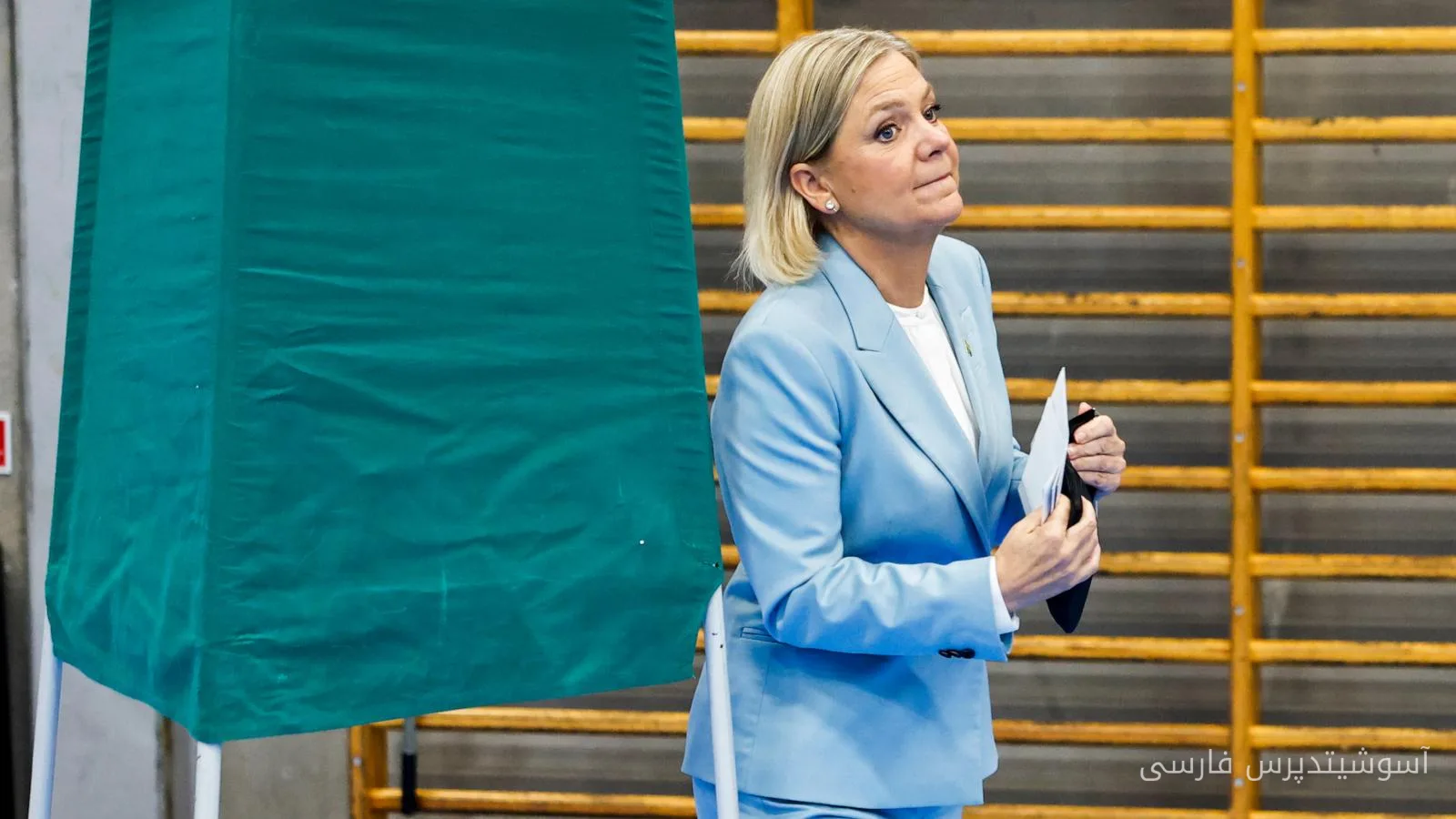
Voters in Sweden have gone to the polls today to make a crucial decision in an election about whether Ulf Kristersson, the leader of the Conservative Party, will remain in his position or whether the Social Democratic Party, led by Magdalena Andersson, will return to power. This election is particularly taking place under circumstances where Sweden's right-wing coalition is seeking to strengthen its position in government.
Electoral Background and Tensions
The Swedish parliamentary elections are being held at a time when the country is facing multiple economic and social challenges. The energy crisis, rising living costs, and security concerns stemming from the war in Ukraine are among the issues that have impacted public morale and may influence the election results. Meanwhile, the right-wing Sweden Democrats are seeking to gain more votes with strong promises in security and immigration.
The Social Democratic Party, which has dominated Swedish politics for several decades, is trying to attract voters by presenting new and appealing programs. Magdalena Andersson, who was appointed as Prime Minister of Sweden in 2021, is being introduced as a strong and experienced figure in this election.
Economic and Social Impacts
Economic challenges, including rising inflation and living costs, may affect voter participation in the elections. Many voters are concerned about the economic situation and their future, and this issue could influence their decision-making on election day. Additionally, the growing dissatisfaction in society, especially among young people, could benefit opposition parties.
In this election, around 7 million voters are expected to participate in Sweden. The results of this election are anticipated to shape the political landscape of the country for years to come and may lead to changes in economic and social policies.
The right-wing Sweden Democrats, traditionally known as a fringe party, have become one of the main political parties in the country in recent years. This party is trying to capitalize on public dissatisfaction with strong promises in security and immigration control.
On the other hand, the Social Democratic Party is also striving to attract voters by emphasizing its social and economic programs. This party seeks to gain positive public opinion by improving living conditions and creating job opportunities.
Today's election is considered a major test for both parties, and its results could have a profound impact on Sweden's future policies. Additionally, this election reflects deeper transformations at the European level, indicating changes in political and social attitudes across the continent.
Source: abcnews.com