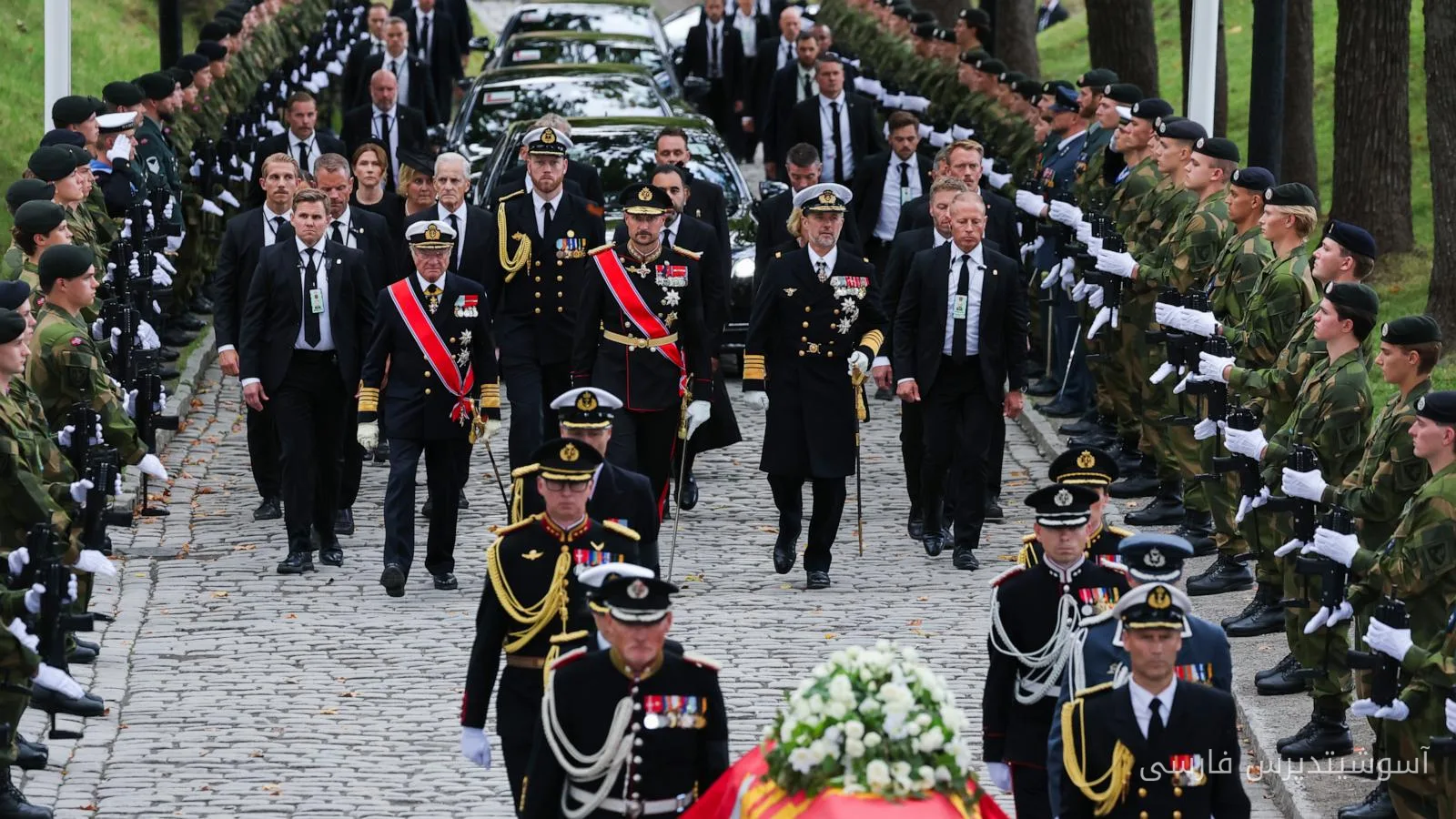
In recent days, tensions in the Middle East have reached their peak, and predictions about the future of Iran-U.S. relations have become highly controversial. Trump, the former President of the United States, has stated in his latest remarks that Iran cannot continue in this situation and that the war in this region will end after the U.S. presidential elections.
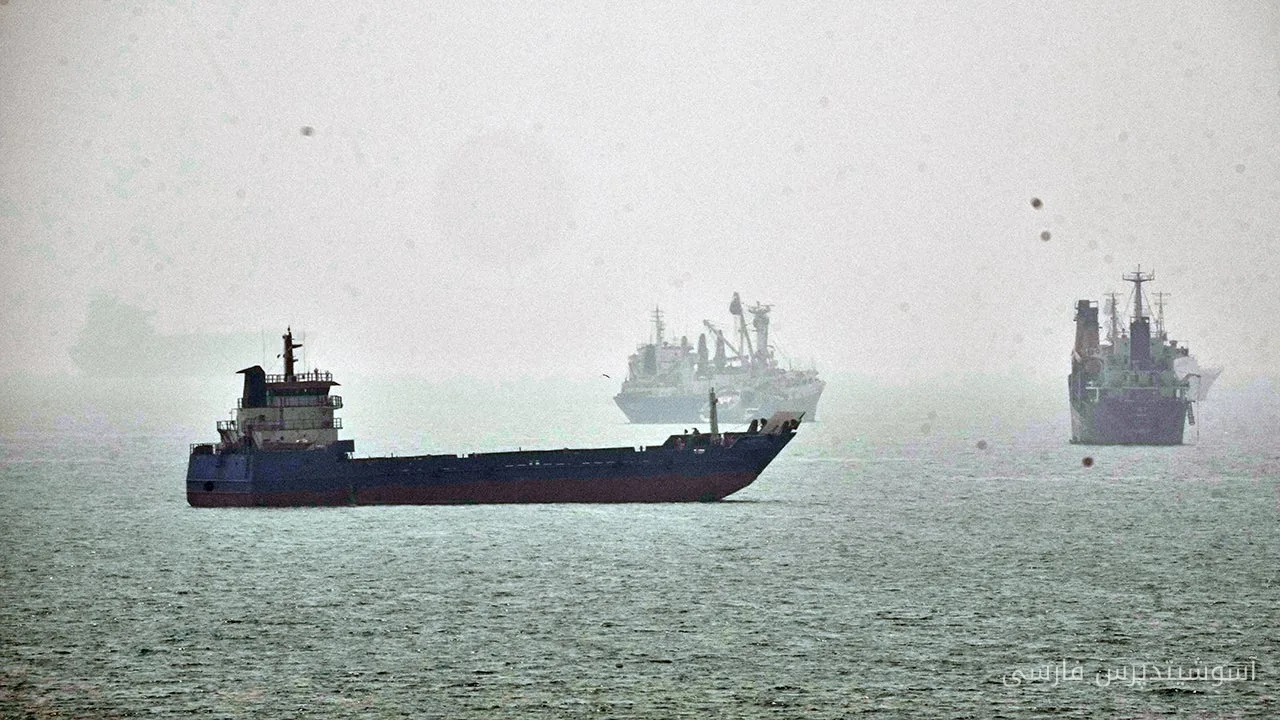
Iran's Military Movements and U.S. Response
In a bold move, Iran has targeted U.S. forces stationed in Jordan and commercial ships in the Strait of Hormuz. These attacks clearly indicate an increase in tensions in the region. In response to these actions, Marco Rubio, the Secretary of State, has warned that any Iranian attempt to attack U.S. warships could result in the loss of this country's oil tankers.
Trump's remarks and the strong reactions from U.S. officials have sounded the alarm for Tehran. Some analysts believe that Iran is currently facing internal challenges and international pressures and may resort to more military attacks to escape this situation.
Trump's Foresight
Trump firmly believes that with the coming to power of a new government in the U.S., the situation for Iran will change drastically. He points out that sanctions and pressures on Iran are increasing, claiming that the country will soon be forced to surrender. These predictions come at a time when many experts believe that the situation could become significantly more complicated, especially considering the multiple interests in this region.
Ultimately, what is clear is that tensions in the Middle East continue to rise, and any actions by Iran could have more serious repercussions for the country and the region. Can Iran really withstand the pressures, or will it soon be forced to change its approach?