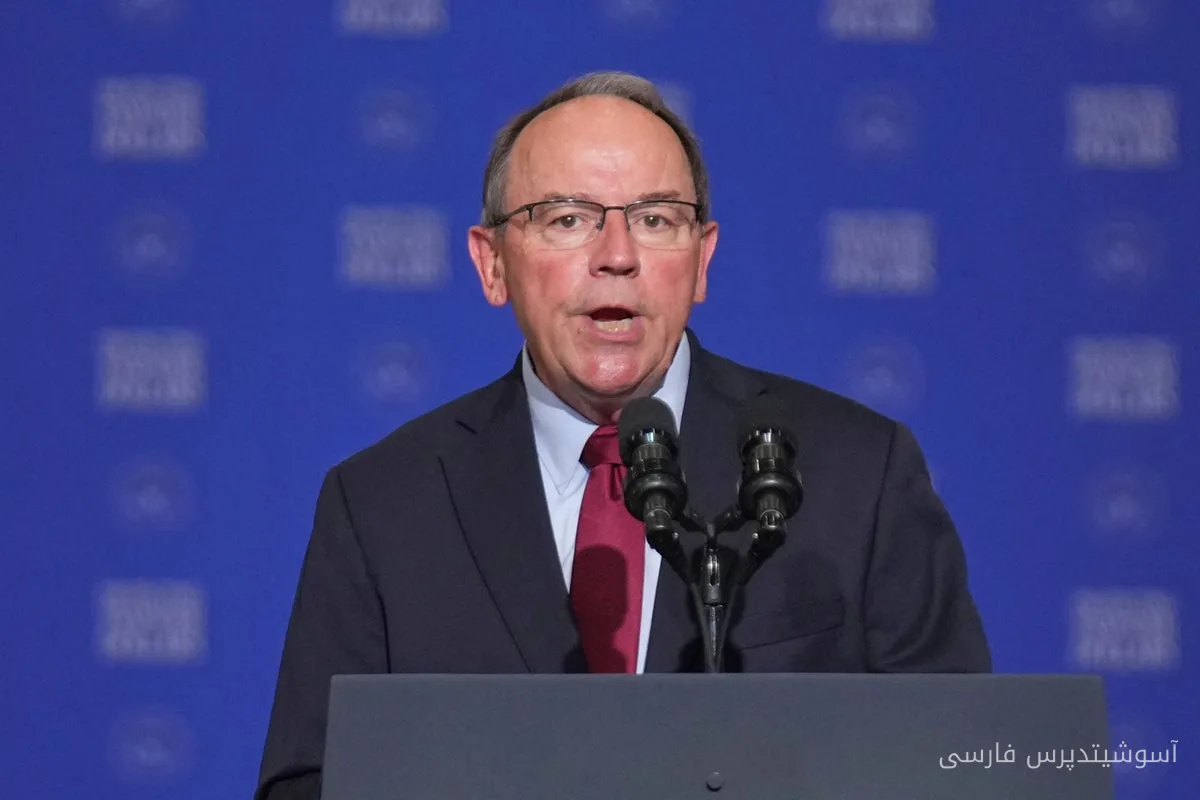
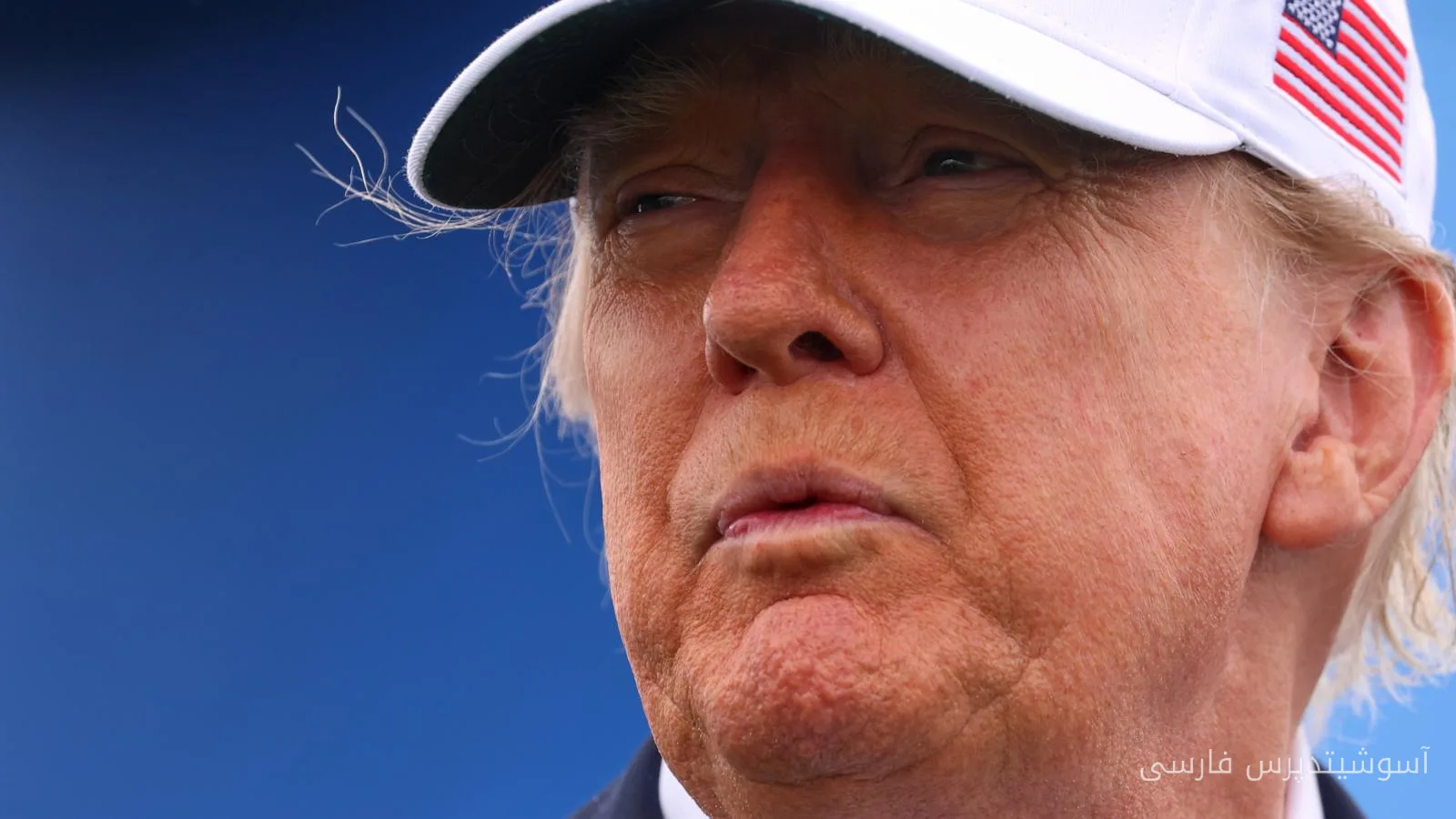
The United States government, led by President Donald Trump, has announced its intention to remove the 15% tariff on Irish whiskey. This action is seen as part of broader efforts to strengthen trade relations with Ireland and other European countries.
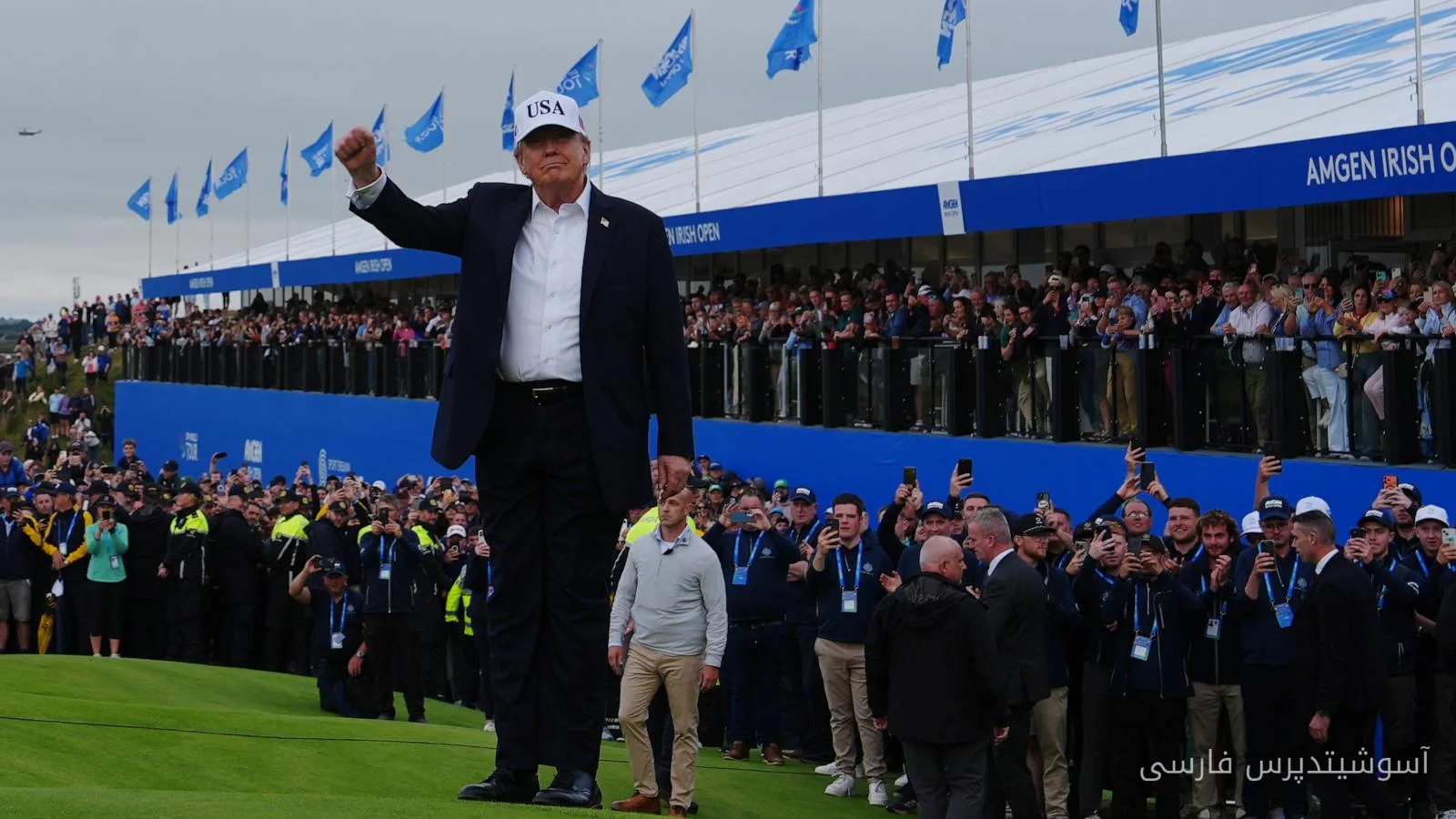
Economic Background
Trade tariffs were imposed due to trade disputes between the United States and the European Union, particularly concerning agricultural products and alcoholic beverages. The removal of this tariff could help increase exports of Irish whiskey to the United States while benefiting American consumers seeking access to high-quality products.
Irish whiskey, as one of Ireland's key export products, plays an important role in the country's economy. The removal of the tariff could support the growth of the Irish whiskey industry and create more job opportunities.
Political and Trade Implications
The removal of the tariff on Irish whiskey could be a sign of the Trump administration's efforts to improve relations with European countries. This action comes as the U.S. government seeks greater alignment with its trading partners and appears to aim to reduce trade tensions.
Additionally, this move could be seen as a political tactic ahead of the upcoming elections. The Trump administration is looking to create a positive image among voters, and this action could be perceived as a success in international trade.
At the same time, this action may provoke reactions from American producers who are concerned about unfair competition with foreign products. Some economic analysts believe that the removal of tariffs could harm American producers and, as a result, create pressures on the government to reconsider its trade policies.
Overall, the removal of the 15% tariff on Irish whiskey could be interpreted as part of a larger strategy in U.S. international trade. This action could help strengthen trade relations with Ireland and other European countries while having broader impacts on domestic and international markets.
Source: abcnews.com